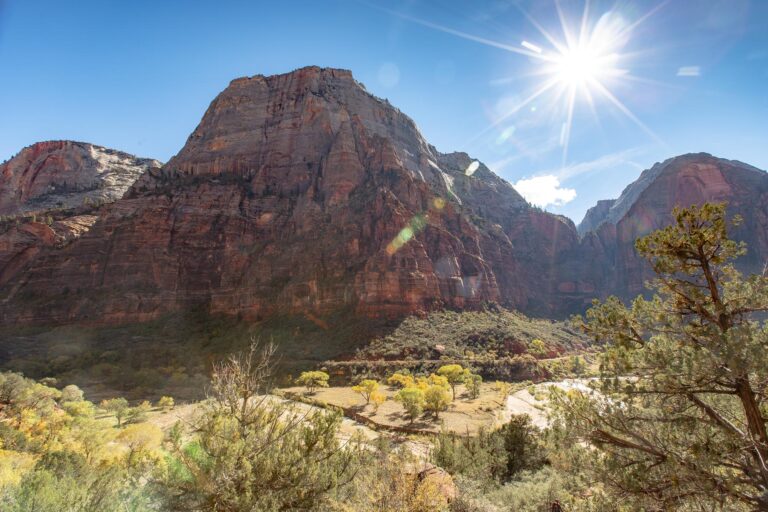
Artists Palette is one of those places that makes you question whether you are still on planet Earth. A wall of rock painted in green, pink, purple, red, and gold stretches across a hillside in the Black Mountains of Death Valley National Park, and the whole thing looks like someone spilled a dozen buckets of paint across the desert.
I have been to Artists Palette more times than I can count, and I can tell you that most folks do it wrong. They show up at noon, snap a few photos, and leave disappointed. The colors look flat. The heat is miserable. They drive the 9-mile loop in 20 minutes and wonder what all the fuss was about.
Here is the thing. Artists Palette at the right time of day, in the right light, is the single most photogenic spot in Death Valley. And this is a park with no shortage of competition.
What Is Artists Palette?
Artists Palette is a multicolored hillside along Artists Drive, a one-way, 9-mile scenic loop road off Badwater Road in Death Valley National Park. The “palette” itself is a specific viewpoint about halfway along the drive where the colors are most concentrated and vivid.
The colors are not painted on. They are the result of millions of years of volcanic activity, mineral oxidation, and erosion working on what geologists call the Artist Drive Formation, a rock unit roughly 5,000 feet thick laid down during the Miocene epoch. Over 5 million years ago, volcanic eruptions along the California-Nevada border deposited massive amounts of ash, metals, and minerals into what would become this hillside. Iron, titanium, aluminum, and mica all ended up trapped in layers of cemented gravel, playa deposits, and volcanic debris.
Over millions of years, heat, water, and oxidation went to work on those deposits. Iron oxides produced the reds, pinks, and yellows. Hematite gives you the deep rose tones. Manganese created the purple and lavender bands. Decomposing mica from volcanic tuff turned certain sections green, while chlorite added additional green tones in streaks and veins. The result is a hillside that looks like a watercolor painting left out in the rain.
What makes this spot unusual even by Death Valley standards is that all of these colors exist in such close proximity. You can stand at the main viewpoint and see six or seven distinct hues without turning your head. That concentration of color in a single frame is why photographers keep coming back.
How to Get to Artists Palette
Artists Palette sits along Artists Drive, a one-way scenic road that branches off Badwater Road about 8 miles south of Furnace Creek. The turnoff is well-signed and impossible to miss if you are driving south toward Badwater Basin.
A few things to know about the drive itself. Artists Drive is one-way heading south to north. You enter from the southern end off Badwater Road and exit back onto Badwater Road further north, closer to Furnace Creek. The road is paved but narrow, winding through small canyons with walls of colored rock on both sides. It features some sudden dips and sharp turns that feel a bit adventurous if you are not expecting them. No vehicles over 25 feet are allowed.
The Artists Palette parking area and viewpoint is roughly 4.5 miles into the drive. There is a small parking lot that holds maybe 15 to 20 cars, along with vault toilets. I have seen it full exactly twice, both times on holiday weekends in February. On a normal day, even in peak season, you will find a spot. If you arrive during one of those rare crowded moments, a few pullouts within a quarter mile of the main lot work as overflow.
From the parking lot, it is a short walk of about 100 yards to the main viewpoint. The ground is loose gravel and sand. You do not need hiking boots, but flip-flops are a bad idea. Regular shoes work fine.
Best Time to Visit Artists Palette
This is where most folks blow it. The colors at Artists Palette are entirely dependent on the quality of light hitting the hillside, and the difference between good light and bad light here is the difference between a jaw-dropping experience and a “that’s it?” kind of experience.
Late afternoon is the sweet spot. The hillside faces roughly west-southwest, which means the low-angle light of late afternoon hits the rocks directly and saturates every color. I have shot here dozens of times and the best results consistently come between 4pm and sunset from October through March, or between 5:30pm and sunset from April through September.
Midday sun is the worst. The harsh overhead light flattens everything and washes the colors out. If you only have midday available, go on a cloudy day. Overcast skies act like a giant softbox and the colors pop without the harsh shadows.
Early morning can work too, but differently. The hillside is in partial shade during the first hours after sunrise, which mutes the warm tones but actually brings out the greens and purples. I have gotten some interesting images at 7am in December that looked nothing like my late-afternoon shots of the same hillside.
Best months. November through March is peak season for visiting Death Valley in general, and that holds true for Artists Palette. Temperatures are manageable (60s to 80s most days), the sun angle stays low even in the afternoon, and the air tends to be clearer. I have had some of my best shoots here in December when the air is so still and dry that colors seem to vibrate.
Summer visits are possible but punishing. Temperatures on Artists Drive regularly exceed 120 degrees and have been recorded as high as 130. The dark rock faces absorb and radiate that heat back at you. If you go in summer, make it a quick stop during the last hour of daylight and bring more water than you think you need. The park does not close Artists Drive for heat, but the National Park Service strongly discourages hiking or extended outdoor activity when temperatures exceed 110 degrees.
Exploring Artists Drive
Most folks treat Artists Drive as a quick detour on the way to or from Badwater Basin. That is a mistake. The entire 9-mile drive is worth taking slowly, and there are several pullouts and small canyons worth exploring beyond the main Artists Palette viewpoint.
About 2 miles into the drive, you will pass through a narrow canyon with walls of compressed mud and rock that show subtle bands of color. Pull over here. The canyon walls catch late-afternoon light in a way that makes them glow, and you will often have the spot entirely to yourself.
Past the main Artists Palette viewpoint, the road climbs slightly and the geology shifts. The rocks become more uniformly dark, but the contrast with the lighter alluvial fans in the valley below makes for great wide-angle compositions. There are two or three pullouts along this stretch where you can park and walk a short distance for elevated views back toward the palette.
One stretch that does not get enough attention is the final mile before the road dumps you back onto Badwater Road. The canyon narrows, the walls close in, and the late light filtering through creates the kind of dramatic shadow play that makes you pull over even when you were not planning to stop again. Some of my favorite images from the entire drive have come from this last stretch.
The full drive takes about 30 to 45 minutes if you make a few stops. Budget an hour if you want to really explore. Budget two if you are a photographer and the light is good, because you will not want to leave.
Walking Beyond the Viewpoint
At the main Artists Palette stop, most folks stand at the interpretive sign, take a photo, and leave. You can do better than that.
From the parking area, walk past the main viewpoint and continue on the informal trail that heads toward the base of the colorful hillside. You can get within about 50 yards of the rock face, and the closer you get, the more detail you see. Individual mineral veins run through the rock like brushstrokes. Small alcoves catch shadows that make certain colors appear more intense.
The ground is soft alluvial gravel. Stay on the established paths and do not climb on the hillside itself. The rock is fragile and crumbles easily. Plus, your footprints will be visible for years in this arid environment. I have seen boot prints from who knows how long ago still perfectly preserved on slopes where someone scrambled up for a closer look. It is not the kind of mark you want to leave.
The walk from parking lot to the closest approach point and back is about half a mile total. Flat, easy, no elevation gain. Anyone who can walk on a beach can do this.
Photography Tips
I have probably spent 40 hours total photographing this spot. Here is what I have learned.
A 24-70mm lens covers 90% of what you will want to shoot here. Wide enough for the full hillside, long enough for detail shots of individual color bands. If you have a 70-200mm, bring it. The compressed perspective of a longer lens stacks the colors together in a way that makes the palette look even more surreal.
Shoot in the last 45 minutes before sunset. The light changes fast during this window, and you can get dramatically different images just five minutes apart. A tripod helps for the last 15 minutes when the light gets low and warm.
Polarizing filters are surprisingly useful here. The mineral surfaces reflect a lot of light, and cutting that glare with a polarizer deepens the colors significantly. I always have one on my lens at Artists Palette. The difference with and without the polarizer is about 2 stops of saturation on the greens and purples, which sounds technical, but the short version is that it makes the colors look the way your eyes actually see them instead of the washed-out version your camera tends to capture.
Do not overlook the details. The wide shots of the full hillside are obvious, but some of the most interesting compositions here are tight crops of individual rock faces. A 100mm frame of a two-foot section of hillside where purple manganese meets green chlorite meets red iron oxide tells the geological story of this place in a way that a wide shot cannot.
One more thing. Do not leave right after sunset. The blue hour, those 20 minutes after the sun drops below the horizon, gives the rocks a cool purple-blue tone that contrasts beautifully with the warm colors that are still faintly glowing. Some of my favorite Artists Palette images were shot during this window.
What to Bring
Death Valley is one of the most extreme environments in North America, and even a short stop at Artists Palette requires some preparation.
- Water. At least 1 liter per person for a short visit. More if you plan to walk beyond the main viewpoint. Dehydration happens fast here, even in winter.
- Sun protection. Hat, sunglasses, sunscreen. The UV at this latitude and elevation is intense year-round.
- Sturdy shoes. The terrain is loose gravel. Nothing technical, but sandals are a bad choice.
- A full tank of gas. The nearest gas station is at Furnace Creek, about 10 miles north. Running out of gas in Death Valley is not something you want to experience.
- A camera. Your phone works, but a real camera with manual exposure control will do this place more justice than almost anywhere else in the park.
- A credit or debit card. Death Valley went fully cashless for fee collection in June 2023. You cannot pay the entrance fee with cash at any kiosk or visitor center in the park. If you only have cash, the Shoshone General Store outside the park boundary can sell you a valid pass.
Nearby Stops to Combine with Artists Palette
Artists Drive sits between several of Death Valley’s biggest attractions, making it easy to combine into a half-day or full-day loop.
Badwater Basin is about 12 miles south of the Artists Drive turnoff. At 282 feet below sea level, it is the lowest point in North America and one of the best things to do in Death Valley. Hit Badwater first, then catch Artists Palette on the way back north for sunset light.
Golden Canyon is roughly 3 miles north of the Artists Drive exit. The 3-mile round-trip hike into the canyon is spectacular in late afternoon light and pairs perfectly with an Artists Palette visit. The geology is related. You are seeing the same volcanic deposits and oxidized metals, just in a different formation. If you have the time and the legs, the full Golden Canyon to Red Cathedral loop adds about a mile and takes you to the base of a 100-foot red cliff that shows what happens when iron oxide gets really concentrated.
Zabriskie Point is about 6 miles north and is the park’s most famous sunrise viewpoint. If you are spending two days in Death Valley, the classic combination is Zabriskie Point at sunrise and Artists Palette at sunset. I have done this pairing at least ten times and it never gets old.
Devil’s Golf Course sits between Artists Drive and Badwater Basin. The jagged salt formations here make a great 15-minute stop on the way south. Kneel down and listen. On a quiet day you can hear the salt crystals expanding and cracking in the heat.
Natural Bridge Canyon is another short detour off Badwater Road, about 2 miles south of the Artists Drive turnoff. A 1-mile round-trip walk through a narrow canyon leads to a 35-foot natural rock bridge. It gets overlooked because it is not on most itineraries, but it is worth the 30-minute side trip.
Where to Stay
Furnace Creek is the hub of Death Valley and sits about 10 miles north of Artists Drive. You have two main options here.
The Inn at Death Valley is a historic luxury hotel that was fully renovated in 2018. Rooms start around $400 per night in peak season, but the spring-fed pool and date palm oasis setting make it feel like a mirage in the best possible way.
The Ranch at Death Valley is the more affordable option, with motel-style rooms starting around $200. Nothing fancy, but clean and functional with a restaurant, general store, and gas station on site.
For camping, Furnace Creek Campground has 136 sites and is the only campground in the park that takes reservations. Check out our full guide to Death Valley campgrounds for more options including several free dispersed camping areas.
Stovepipe Wells, about 25 miles northwest of Artists Drive, is a quieter alternative with a small hotel, campground, and saloon. Rooms run around $150 to $250 depending on the season. I prefer it to Furnace Creek when I want fewer people around. The Mesquite Flat Sand Dunes are right next door, and the sunrise there pairs well with a sunset at Artists Palette if you are building a two-day itinerary.
About Death Valley National Park
Death Valley National Park covers 5,270 square miles of desert, mountains, and salt flats along the California-Nevada border. It is the largest national park in the contiguous United States and one of the hottest places on Earth, with a recorded high of 134 degrees Fahrenheit.
Despite the name, Death Valley is full of life. Over 1,000 plant species survive here, along with coyotes, bighorn sheep, kit foxes, and the famous Death Valley pupfish, a species that exists nowhere else on the planet. If you time your visit right after winter rains, you may even catch a wildflower bloom on the valley floor. The park is also an International Dark Sky Park, making it one of the best places in California for stargazing.
Entrance to the park costs $30 per vehicle and is valid for seven days. Motorcycles pay $25, and folks entering on foot or by bicycle pay $15. An annual America the Beautiful pass ($80) covers all national parks and is worth it if you plan to visit more than two parks in a year. Death Valley is not one of the 11 parks that charges a non-resident surcharge, so international folks pay the same entrance fee as everyone else.

Watch the Award-Winning Death Valley Film
In the remote far reaches of the Mojave Desert lies the largest national park in the continental United States. Hidden here in the hottest place on earth is another world full of diverse life and colorful landscapes. Join us as we take life to the extreme and explore Death Valley. Filmed primarily in 8K.
Frequently Asked Questions About Death Valley National Park
When is the best time to visit Death Valley?
The best time to visit Death Valley National Park is November through March. Conditions vary significantly by season, so plan accordingly and check current conditions before your trip.
How much does it cost to enter Death Valley National Park?
The entrance fee for Death Valley National Park is $30 per vehicle (valid for 7 days). An America the Beautiful Annual Pass ($80) covers entrance to all 63 national parks and 2,000+ federal recreation sites.
What is Death Valley known for?
Death Valley National Park is known for Badwater Basin (lowest point in North America), Zabriskie Point, Mesquite Sand Dunes, and Artists Palette. The park spans 3,408,407 acres and was established in 1994.
What are the best things to do at Death Valley National Park?
The top activities at Death Valley include Scenic drives, Photography, Hiking, Stargazing, and Wildflower viewing. Check our Death Valley guide for detailed recommendations.
Where is Death Valley National Park located?
Death Valley National Park is located in California. Visit our complete Death Valley guide for directions, nearby airports, and getting-there tips.
What to Bring to Death Valley
Gear we recommend for Death Valley. Affiliate links support our work at no cost to you.
Affiliate disclosure: Some links on this page earn us a small commission at no extra cost to you. We only recommend gear we actually use.