Biscayne National Park Facts! In this article, we provide you with 15 amazing facts about one of America’s most magnificent national parks.
Biscayne National Park Map
Interactive park map — click a pin to learn more
Biscayne National Park at a Glance
3 alertsMore Than Just Parks is your one-stop-shop for learning everything you’ll need to know about America’s national parks. We’ve got expert guides, beautiful photos, helpful tips, breathtaking films and so much more.
I’ve been to so many of these amazing places since retiring from teaching in 2018. Did I mention that I taught history? I spent a lifetime teaching about the history behind some of these natural wonders. Then I got to see them firsthand. And now I’m sharing some of the incredible stories about these beautiful places with you. It doesn’t get any better than that!
More Than Just Parks takes a deeper dive with its national park facts. We’ve done our homework so that you’ll get more than you bargained for. , let’s get started.

Table Of Contents
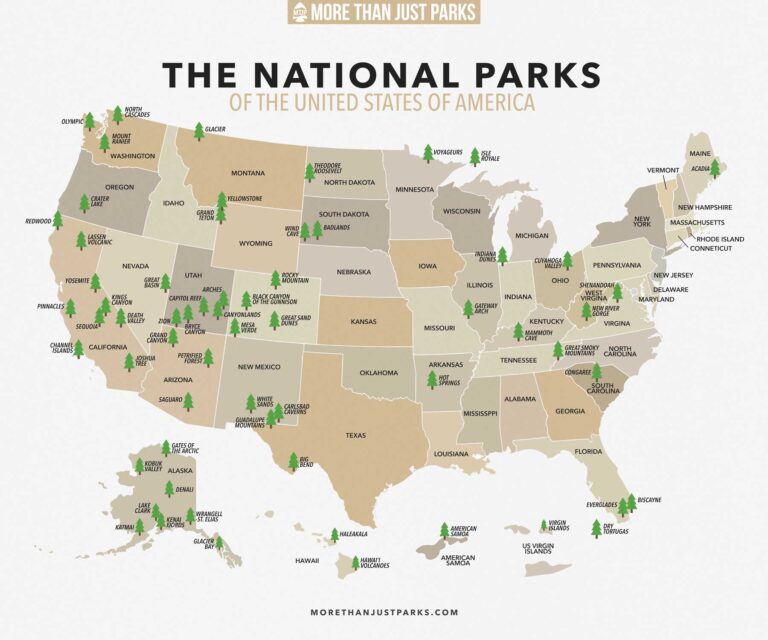
Biscayne National Park is a national park located in the state of Florida, along the Atlantic coast. The park covers an area of 172,971 acres and is known for its stunning views, clear blue waters, and diverse plant and animal life.
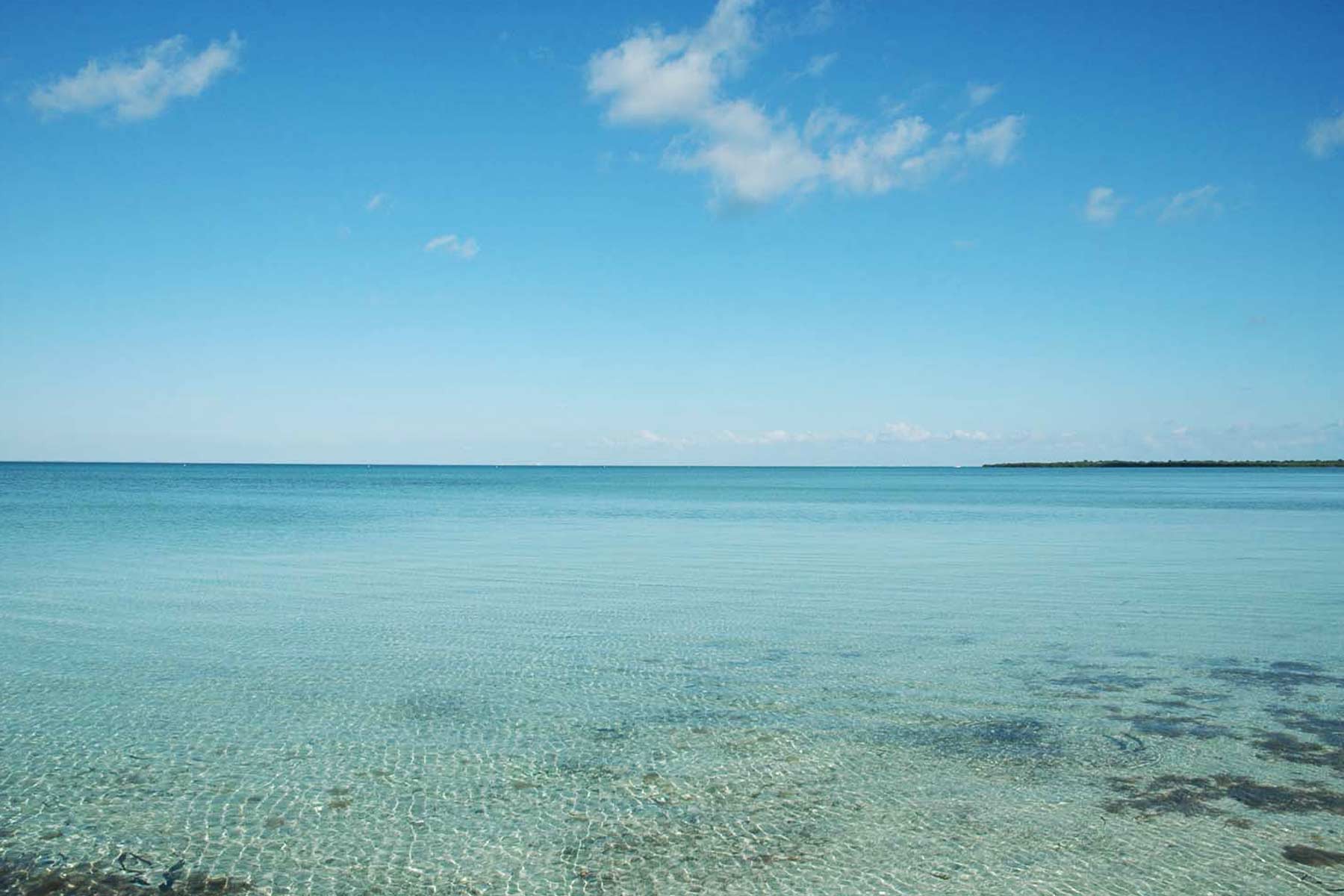
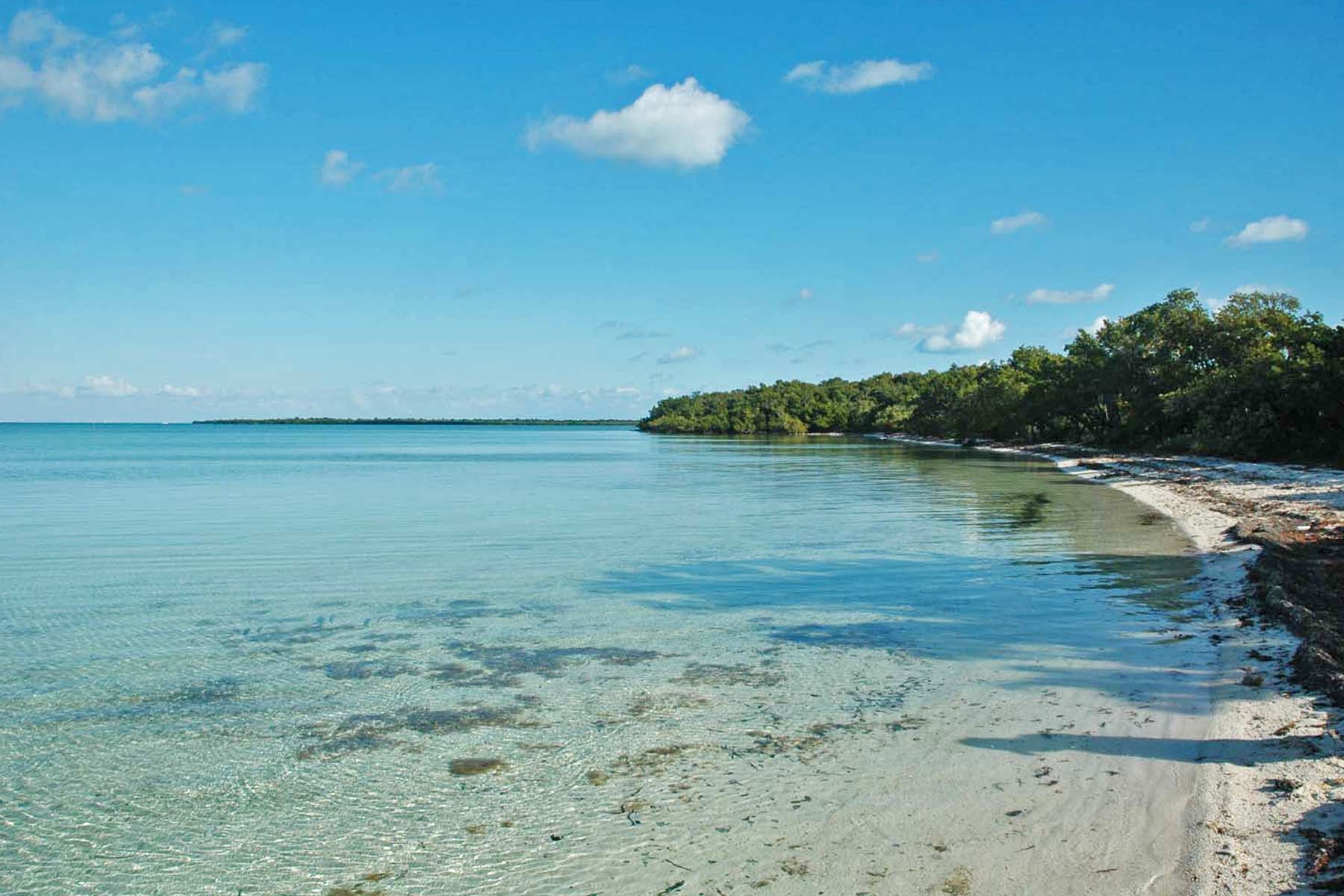
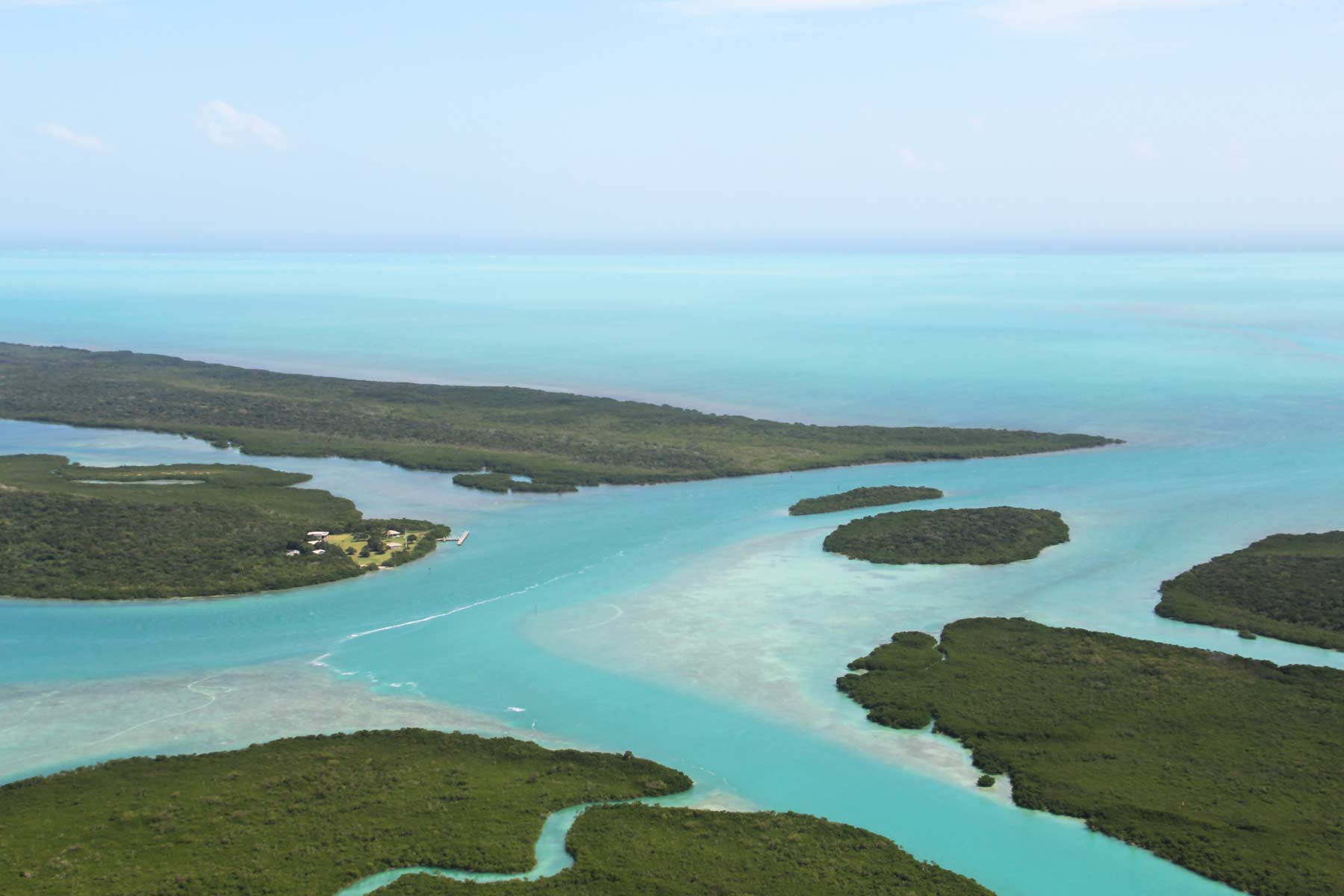
One of the main attractions of Biscayne National Park is its stunning coastal scenery, with crystal-clear waters, white sandy beaches, and a variety of coral reefs and islands.
The park is also home to a number of hiking trails, offering the opportunity to explore the park’s unique and varied terrain.
In addition to its natural beauty, the park is also home to a number of cultural and historical sites, including the historic Stiltsville Community and the Biscayne Nature Center, which offers educational programs and exhibits about the park’s natural and cultural history.
Biscayne National Park is worth the trip for nature lovers and park lovers, offering a unique and experience you won’t forget in one of the most beautiful and diverse coastal environments in the United States.
Here Are Some Of The Basic Facts About Biscayne:
- Location: Florida
- Acreage: 172,971 acres
- Visitation: 709.000 visitors in 2019
- Highest Elevation: 9 feet on Totten Key
- Lowest Elevation: 0 feet at the Atlantic Ocean
- Average annual precipitation: The average rainfall for the area is 2.17 inches in January and 3.95 inches in July
- When Did It Become A National Park? Authorized as Biscayne National Monument in 1968 (with a boundary change in 1974), it became a national park in 1980.

1. The First People Came More Than 10,000 Years Ago
Among the most intriguing of the Biscayne National Park Facts is this: More than 10 000 years ago, the first people came to Biscayne Bay. That’s a long time ago!
The first migration was that of the Paleo-Indians who traveled down the Florida peninsula.
Four thousand years before the 16th century, when the Spaniards came to claim the Americas, the islands and the shoreline was occupied by the Tequesta people.
At the time of the first contact with the Europeans, they occupied an area along the southeastern Atlantic coast of Florida.
Facts About Acadia National Park
If you love a good pirate story then here’s another of those Biscayne National Parks Facts which you will relish. Long before it became a national park, Biscayne was the headquarters for the notorious Pirate Black Caesar. He was a powerful African pirate who roamed the Caribbean in the early 18th century.
According to legend, Black Caesar was born in the late 17th century somewhere in West Africa. He was a cunning leader who repeatedly escaped capture.
Black Caesar was tricked into capture, however, when the captain of a slave ship invited him aboard to view his treasures and merchandise.
While Caesar was admiring the riches, the crew raised anchor and set off to sea. By the time Caesar realized what was happening to him, it was too late.
The ship was headed to the slave markets on the Florida coast, but was caught in a storm and destroyed.
Caesar escaped with the help of a sailor whom he had befriended. The two of them escaped in a longboat to a small island off the coast.

Black Caesar began to form his own crews and acquire his own ships. His wealth was so great and his attacks so fearsome that he began to be known as one of the most feared pirate captains on the seas.
According to legend, his headquarters were based in what is now known as Caesar’s Rock, which is today the site of Biscayne National Park.
Caesar is supposed to have buried around $6 million worth of gold in the sandy shores, none of which has ever been recovered.
Facts About Arches National Park
For remarkable Biscayne National Parks Facts then how about this one: How many national parks offer their visitors the opportunity to explore shipwrecks? the park does!
According to the National Park Service, Biscayne National Park’s Maritime Heritage Trail offers an exciting opportunity to explore the remains of some of the park’s many shipwrecks.
There are at least 44 shipwrecks in park waters.

Six wrecks, spanning nearly a century and a wide variety of sizes and vessel types, have been mapped, brochures have been produced and mooring buoys have been installed.
The newest addition to the trail is the Fowey Rocks Lighthouse.
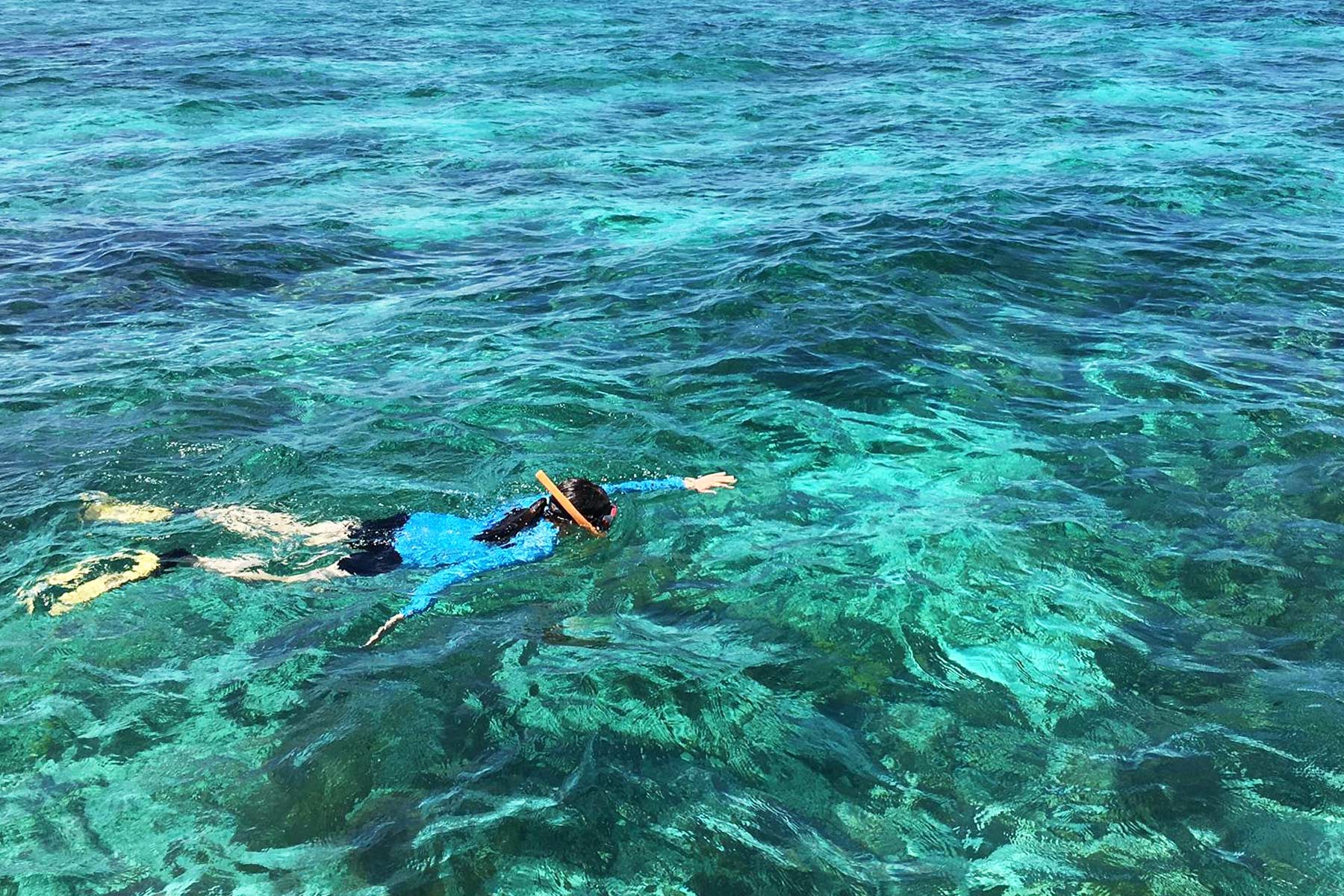
Snorkeling is great around the base of the light, but the structure itself is not open to the public.
Facts About Badlands National Park
4. The Park Was Used As A Training Area For Cuban Exiles During The Cold War
Just when you thought we couldn’t come up with any more unbelievable Biscayne National Park Facts we’ve come up with another one. The first settlements in the Biscayne Bay area were small farms on Elliott Key. In the early 1960s, however, Elliot Key took on a different role. This is where the story gets very interesting.
As a retired history teacher, I once taught a course on the history of the Cold War.
The Cold War was an ongoing political rivalry between the United States and the Soviet Union and their respective allies that developed after World War II. Believe it or not, Biscayne Bay would actually play an important role in this ongoing superpower struggle.
Elliot Key & The Bay Of Pigs
In the early 1960s, the Central Intelligence Agency used Elliott Key as a training field in preparation for the Bay of Pigs Invasion.

The Bay of Pigs Invasion was an abortive invasion of Cuba in April 1961 by some 1,500 Cuban exiles opposed to Fidel Castro.
The invasion was financed and directed by the U.S. government.

Facts About Capitol Reef National Park
5. Biscayne Bay Is Rich In Archaeological Resources
Biscayne Bay is rich in archaeological resources. These resources represent the 10,000-year aboriginal use of the area as well as artifacts left by pioneers, farmers, pirates, rumrunners, gunrunners, drug smugglers, the international maritime trade, and wreckers.
Given the number of shipwrecks, underwater archaeological expeditions are ongoing.

6. Pirates Continue To Vandalize Biscayne Today
Now here’s another of those fascinating Biscayne National Park Facts relating to pirates and piracy. Plagued by modern-day pirates (otherwise known as looters), the park must constantly must spend extra time and money to keep criminals away from plundering the shipwrecks.
According to National Parks Traveler, the shipwreck “English China,” nicknamed for its abundant English ceramic artifacts, sank in the late 1760s. The first groups of people to visit this sunken beauty were called ‘wreckers.’
These were men who would brave the troubled seas, particularly around the Florida Keys. Not only would they come to the rescue of crews on foundered ships, but afterwards they would return to salvage what they could of the wreck’s remains.
Charles Lawson, Biscayne’s staff archaeologist and cultural resource manager, says these latter-day pirates are most likely unsuccessful in their scavenging. But they nevertheless do damage to the site.
“Vandals come upon the site and see all the broken artifacts, (and) this perhaps encourages them to dig into the wreck and look for whole artifacts,” he guesses.
“I doubt that they successfully find any artifacts of value, but in the process they tear apart the 250-year-old ship timbers, flip over coral heads, and disrupt the integrity and context of the site.”

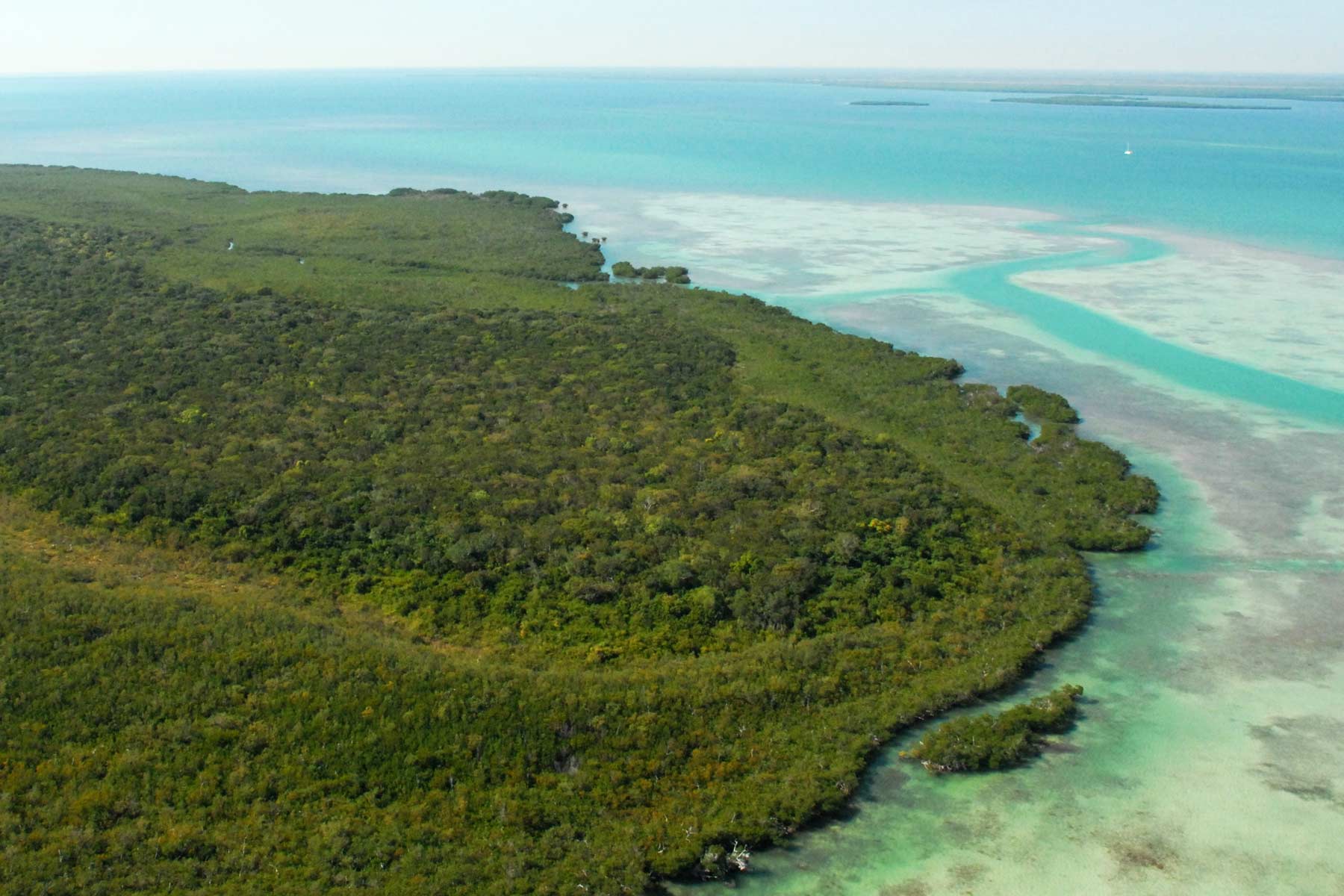
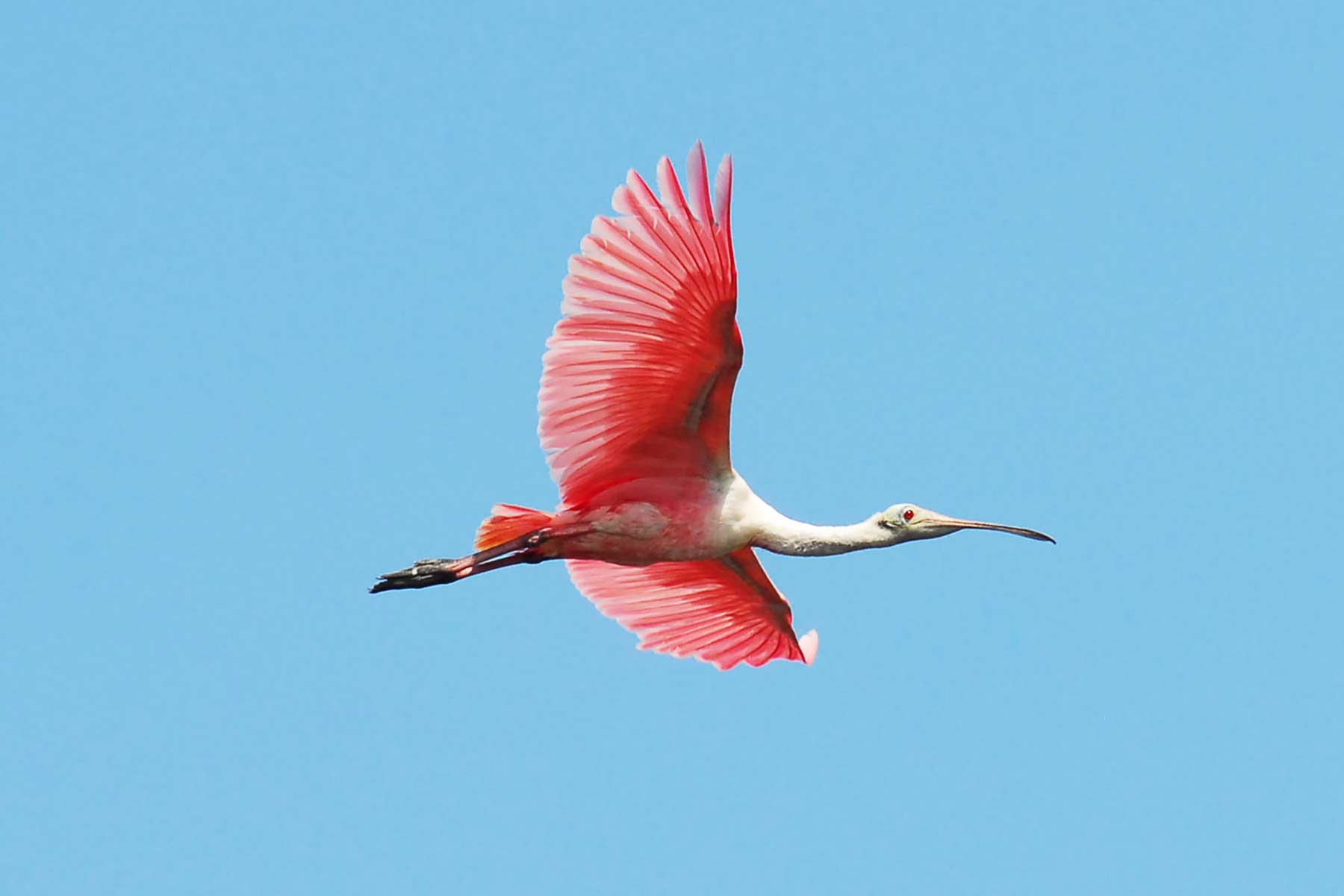
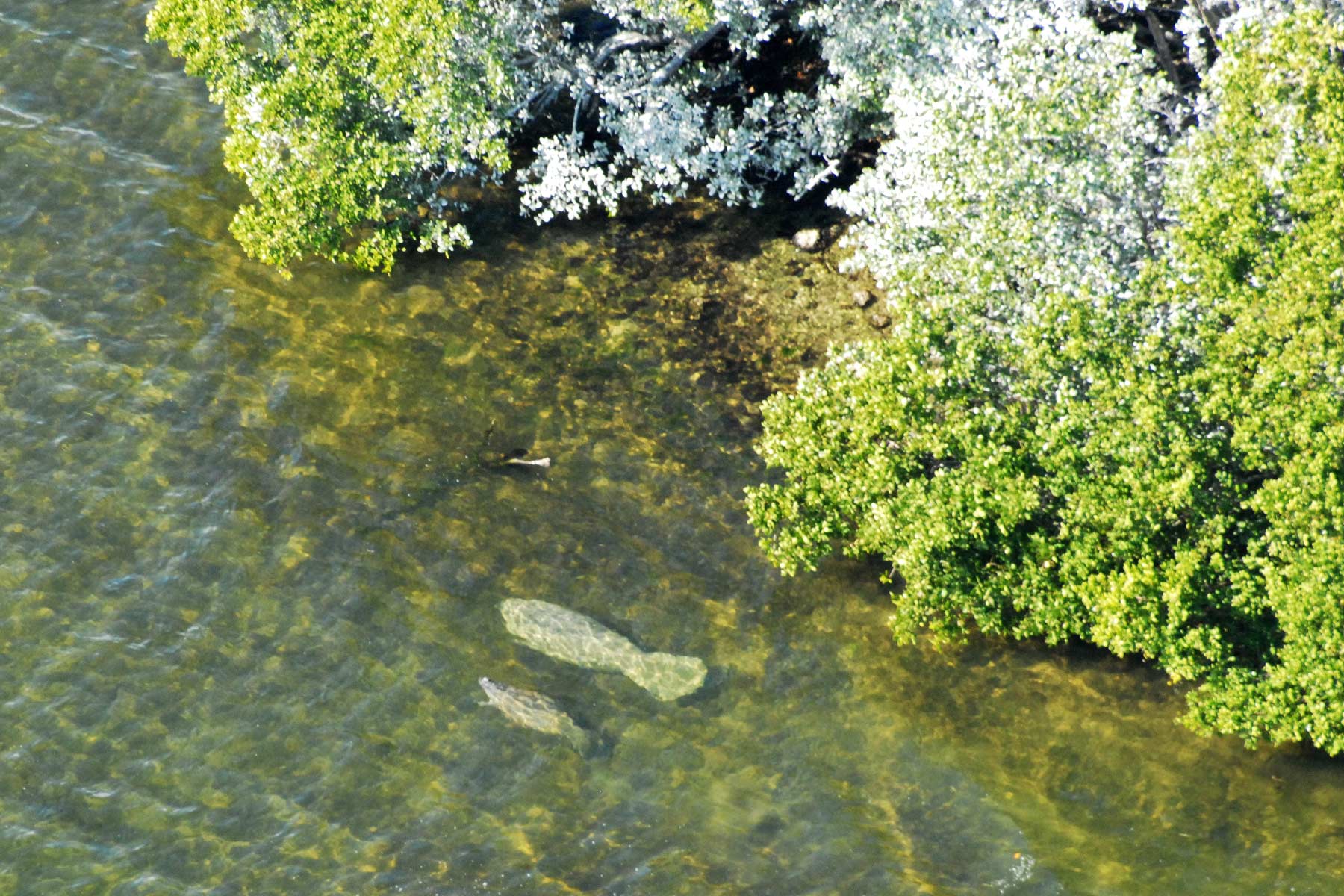
The park is home to an incredible diversity of life including over 600 native fish, neo-tropical water birds, and many threatened and endangered species including sea turtles, manatees, and the Schaus’ swallowtail butterfly.
8. The Park Had Its Own “Knight” In Shining Armor”
In doing the research to learn about the stories behind these amazing places, I also learn about the stories of some amazing people.
National Parks just don’t happen. They embody the hopes, dreams, aspirations and tireless efforts of those who are willing to fight to make them a reality for the rest of us to experience and enjoy.
One such person is Lancelot Jones and his story may be the most heart warming of the Biscayne National Park Facts.
As the National Parks Conservation Association notes, Lancelot Jones was born on a sailboat in the middle of Biscayne Bay in 1898.
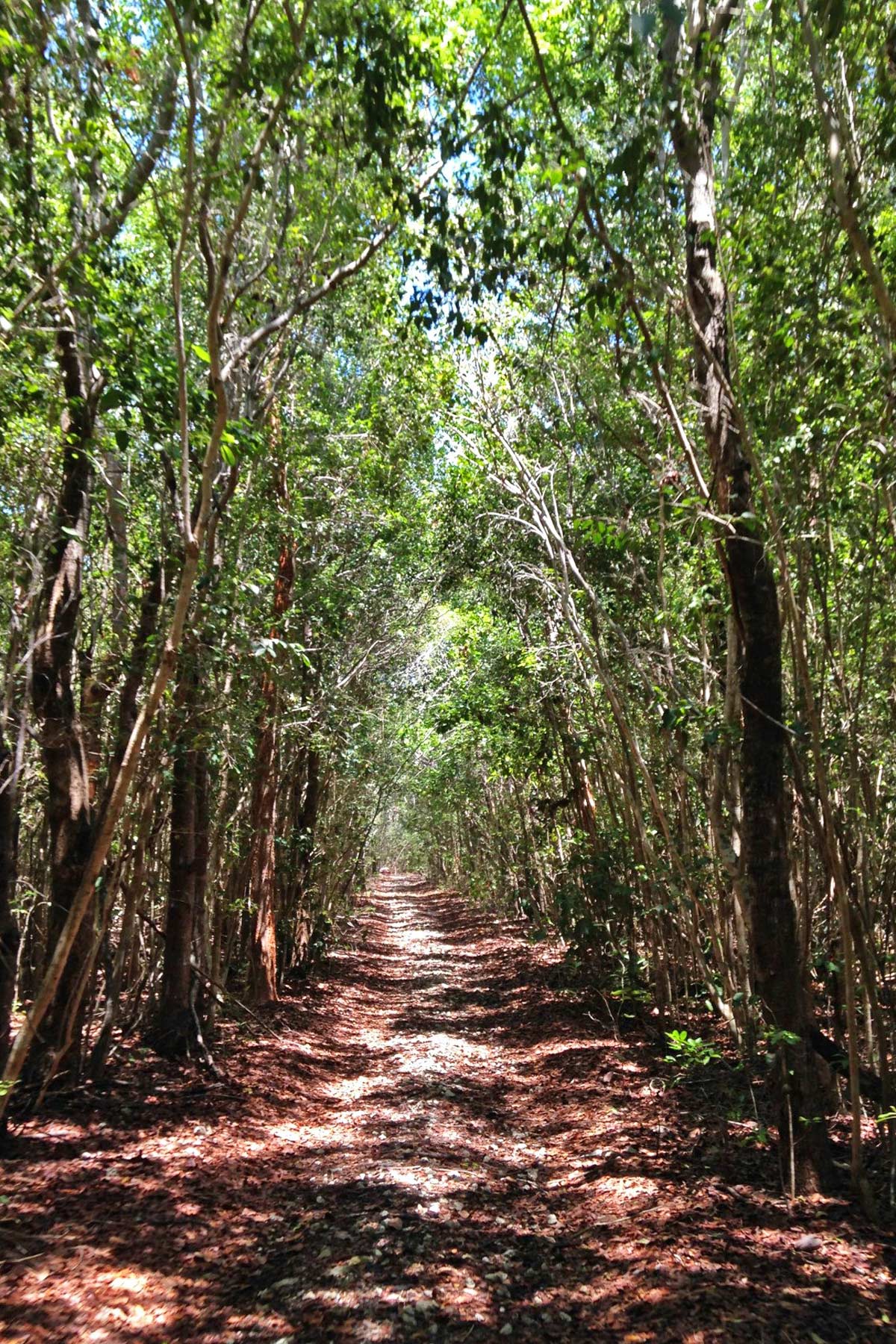
He went on to live nearly all of his 99 years on the tiny island of Porgy Key. It was there that Lancelot survived hurricanes and two world wars.
From Rags To Riches
He and his brother, Arthur, (of course his brother was named Arthur–after all, how could there be a Lancelot without an Arthur) built on their father’s pioneer venture in citrus production. Eventually, they became a part of the American Dream by becoming the largest independent supplier of key limes in the country.
Lancelot launched a fishing guide business, catering to wealthy clients seeking warmer climates and elusive game fish.
Five presidents, countless senators and dignitaries, and industry leaders, such as Harvey Firestone and Mark Honeywell, hired Lancelot to guide them through the beautiful chain of islands in southern Biscayne Bay.
He Chose Beauty Over Profit
Lancelot was under tremendous pressure to sell his land for a development.
He chose instead to sell his island properties to the National Park Service. Lancelot did this to ensure their protection so that future generations would be able to explore and enjoy this beautiful area.
Lancelot Jones was featured in the Ken Burns documentary on national parks, America’s Best Idea.
By the 1950s, Florida had become a popular vacation destination. It was during this boom time that a group of colorful characters decided to lobby for a national park near Miami.
According to the National Park Service, these visionaries wanted a park that would be covered by water, protecting not only the islands, but the bay to the west and the reef to the east. It would also provide a haven for wildlife and a respite for people tired of the hustle and bustle of city life.
The park’s proponents were not extraordinary in the usual sense of the word. These people were doctors and pilots, farmers and writers. They were people who knew the area, people who understood new concepts like ecology and environmental preservation.
These were also people who weren’t afraid to take on the business interests who saw only dollar signs where others saw beauty.
Lloyd Miller
There was Lloyd Miller. He was the president of the local chapter of the Izaak Walton League which was a sportsmen’s group named for the 17th century author of The Complete Angler.
Miller fell in love with the beauty of Biscayne Bay. He joined forces with other conservationists to fight off a group of developers.
The fight got nasty, with Lloyd receiving late night threatening phone calls. He had his car vandalized and his dog poisoned. Nevertheless, Lloyd Miller wasn’t going to be intimidated when it came to his dream of a national park.
Miller told the story of the fight to establish the park in his book, appropriately titled “Biscayne National Park: It Almost Wasn’t.”
Juanita Greene
If Lloyd Miller used his position in the Izaak Walton League to gather concerned citizens together, Juanita Greene used her position as a reporter for the Miami Herald to shine a spotlight on their heroic efforts.
Greene’s inspiring newspaper stories in the Miami Herald helped build support for a national park by focusing attention on the efforts of the people who wanted to protect this magnificent area.
Like Miller and so many others, Greene was instrumental in the creation and protection of Biscayne National Park, which was threatened in the 1960s by a plan to dredge a channel through the bay and turn the area into the City of Islandia.
Herbert W. Hoover, Jr.
And then there was Herbert W. Hoover, Jr. No relation to the President of the same name, Hoover was a vacuum cleaner magnet.
He spent considerable time in the area as a boy and believed in the dream of a national park.
Hoover brought legislators down from Washington for dramatic blimp rides over the proposed park.
Like so many others, he worked tirelessly to convince anyone who saw the place to keep it just the way it was which meant gaining federal protection.
Representative Dante Fascell
These dedicated citizens needed a voice in Congress. Representative Dante Fascell became that voice.
Fascell spearheaded the movement in Congress to create Biscayne National Monument to protect “a rare combination of terrestrial, marine and amphibious life in a tropical setting of great natural beauty.”
President Lyndon B. Johnson signed the bill on October 18, 1968 creating the national monument. Twelve years later, it became a national park.
Here’s another of those Biscayne National Parks Fact about a very unique place. Long before people began to dream of having a national park at Biscayne Bay there was a place which had quite a colorful history. It would become a part of the story of the park.
According to the National Park Service, the place, known as Stiltsville, had quite a colorful history which dates back to the 1930s, when “Crawfish Eddie Walker” built the first shack on stilts above the water.
Over the years more buildings were constructed and the area took on an aura of mystery. Accessible only by water, it was the place to see and be seen when visiting the winter resorts on nearby Miami Beach.
Stories of illegal alcohol and gambling led to several police raids on the Bikini Club and Quarterdeck Club.
At its peak in 1960, there were 27 structures on the flats, but hurricanes, fires and the ravages of being in such an exposed place made every building relatively short-lived. If there’s a moral to this story it’s don’t build on stilts.
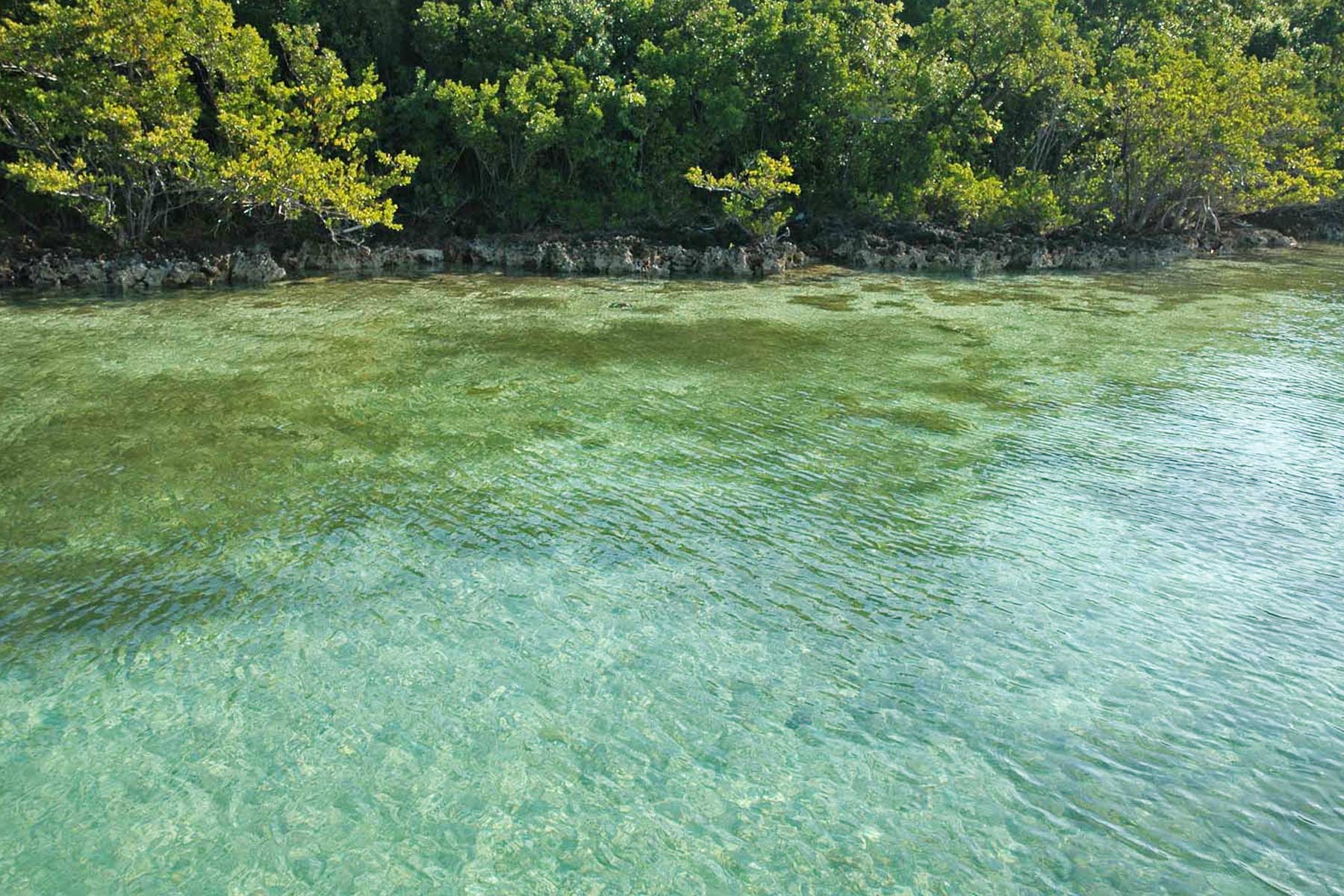
Stiltsville Becomes A Part Of The Park’s Boundaries
In 1980, when the park expanded, the submerged land occupied by Stiltsville was transferred from the state of Florida to the Federal government and included in the park’s boundaries.
However, a legal dispute arose when the state-issued leases for the land expired in July 1999, and the park service wanted to have the buildings vacated and removed.
The owners did not want to leave, and several elected officials took their side in the struggle and tried to have the park boundaries redrawn to transfer Stiltsville back to state ownership.
In a compromise move, the park management decided to put the buildings to appropriate public uses rather than remove them, but they will not be replaced when they eventually succumb to decay, fire, or hurricanes.

11. Biscayne Protects Part Of The Only Living Coral Reef In The Continental United States
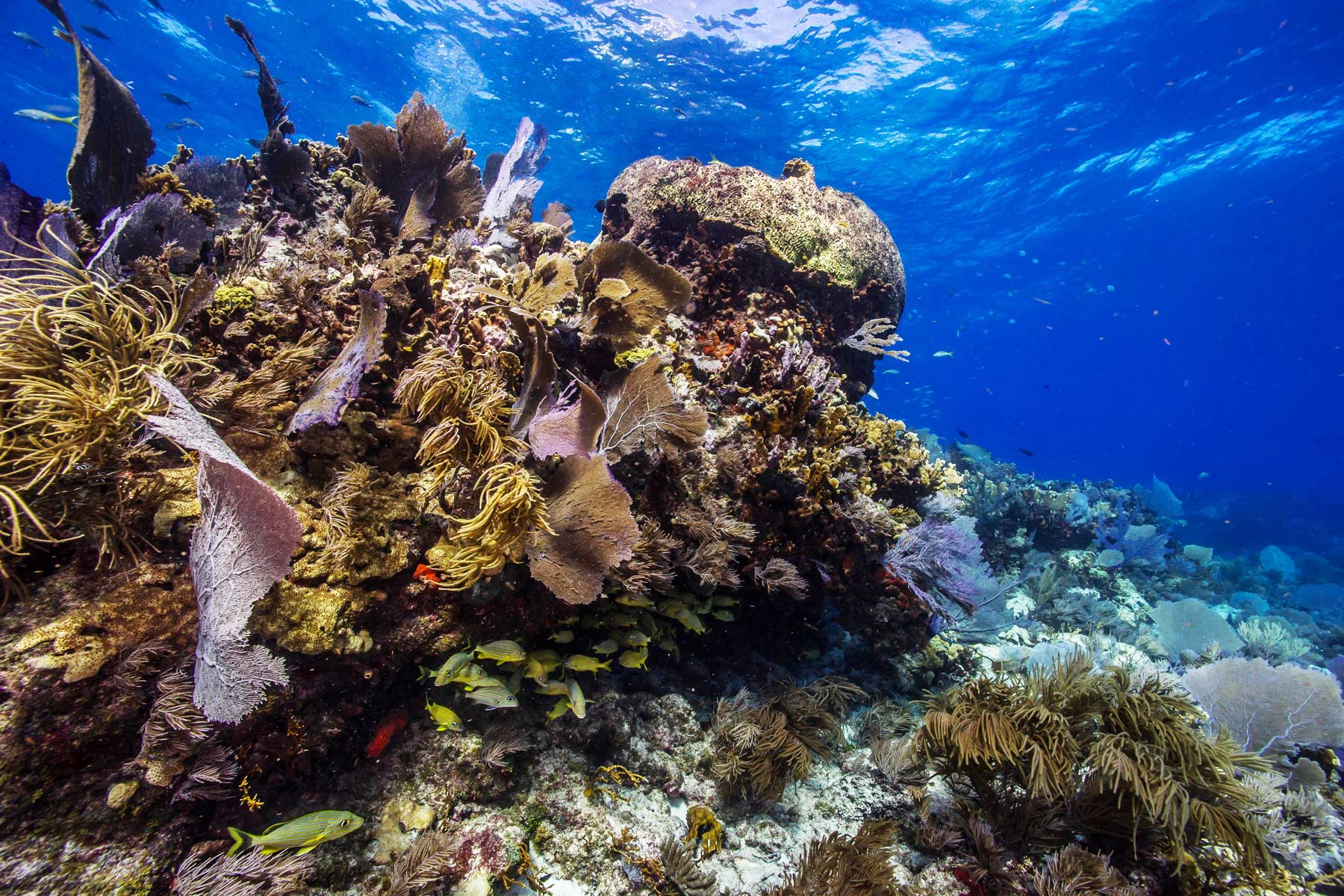
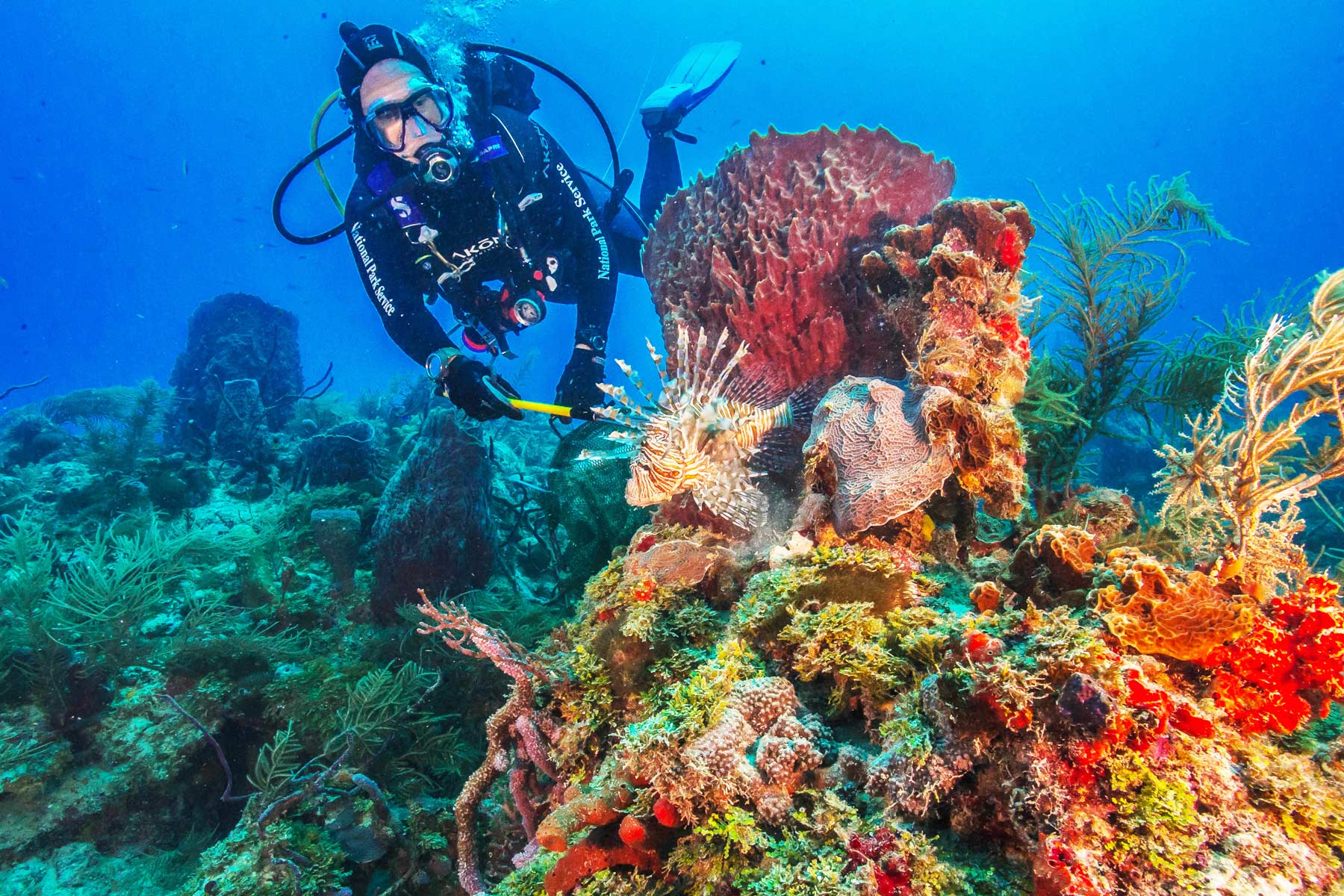
Just when you thought we couldn’t come up with any more unbelievable Biscayne National Park Facts we’ve come up with another one. The reefs of the park are part of a 150-mile-long chain of coral reefs extending down through the lower Florida Keys and the Caribbean.
It’s the only living coral reef in the continental United States.
The coral reef of the Florida Keys is the third longest coral barrier reef in the world.
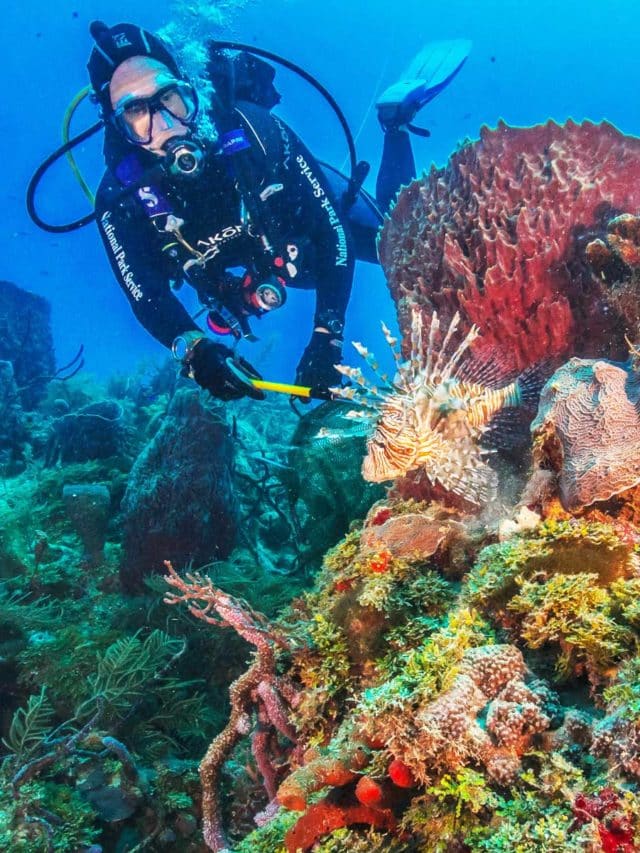
The reefs provide habitat for fish, stony and soft corals, sponges, jellyfish, anemones, snails, crabs, lobsters, rays, moray eels, sea turtles, dolphins, sea birds, and other animals.
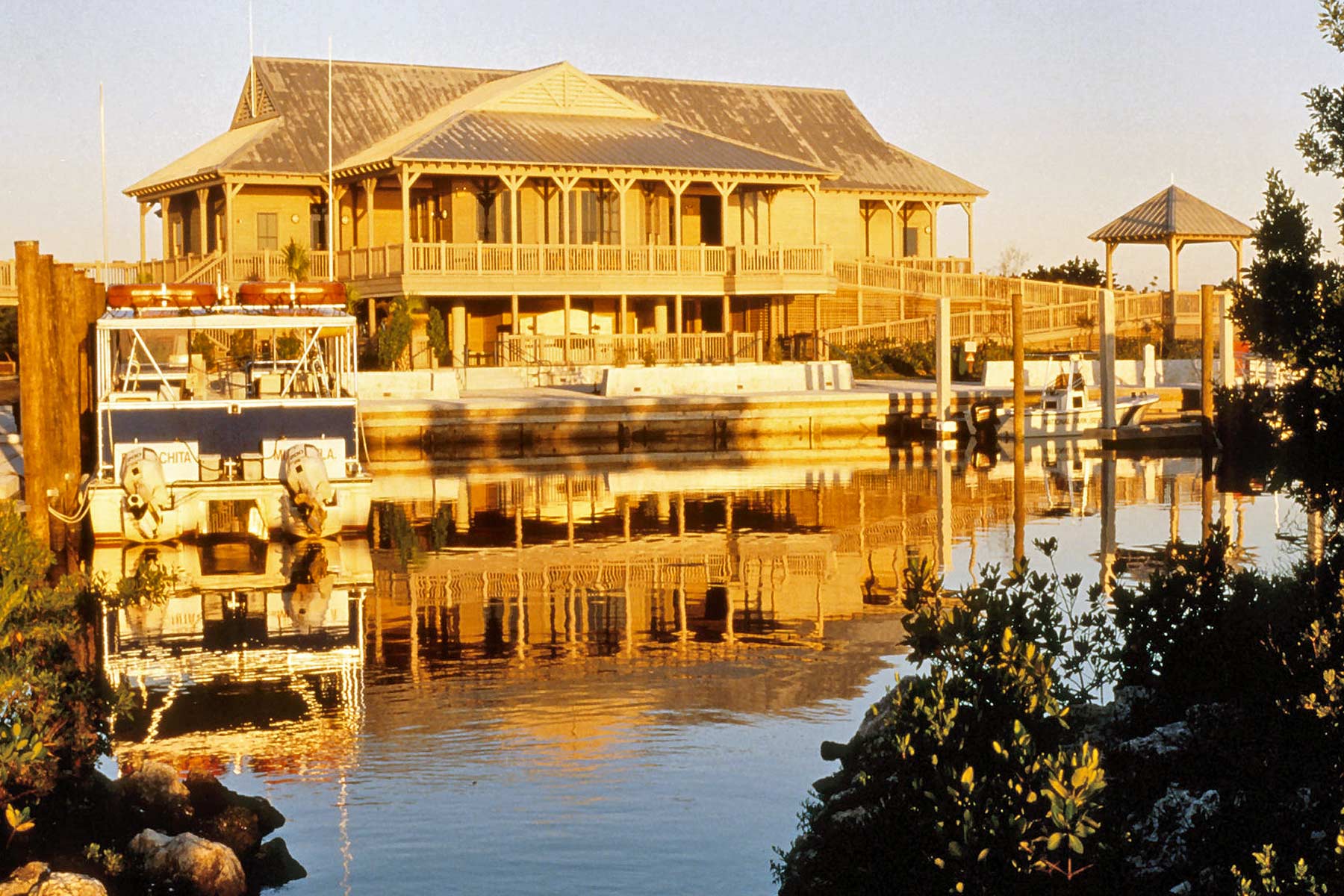
12. 95% Of The Park’s Nearly 173,000 Acres Are Underwater
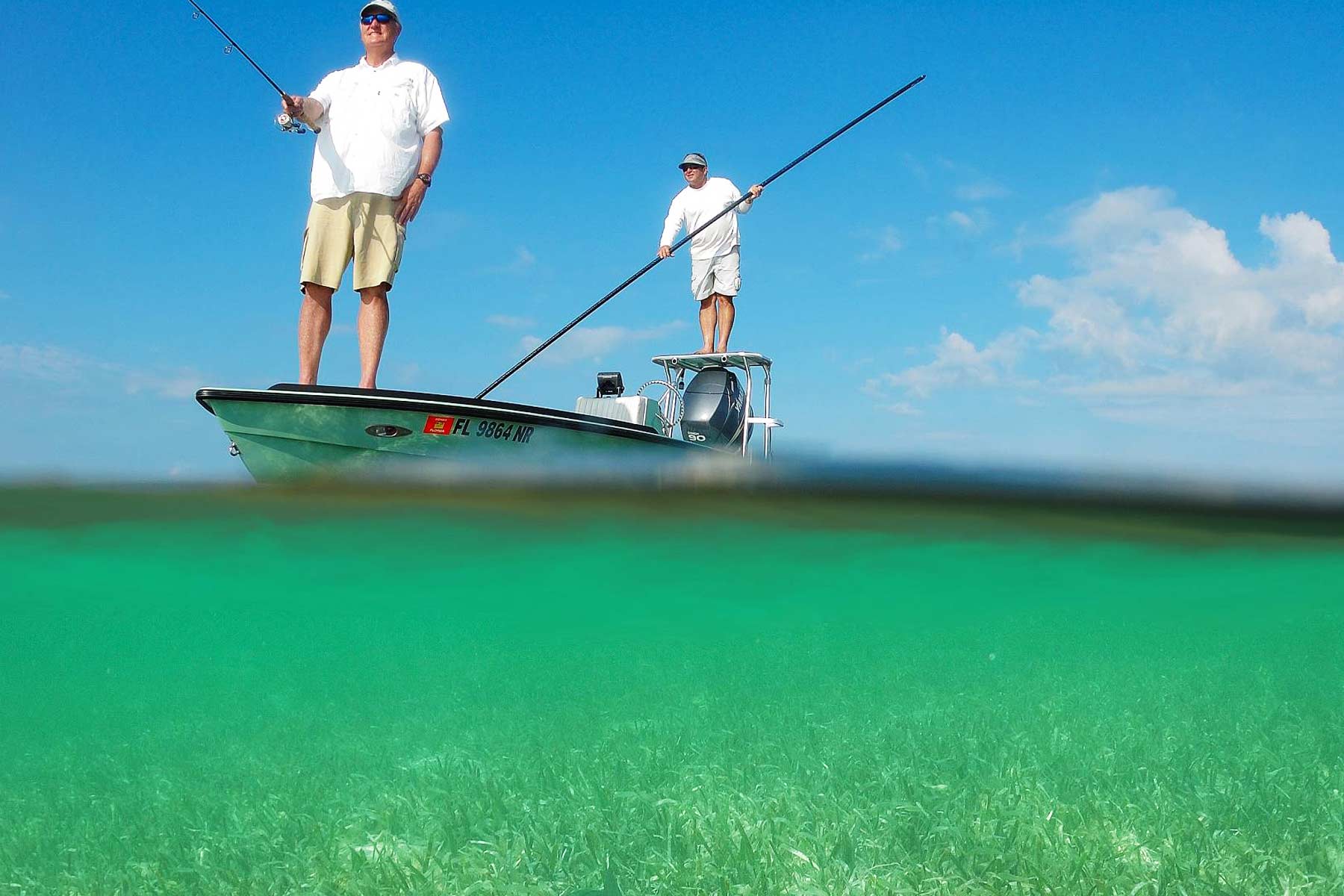
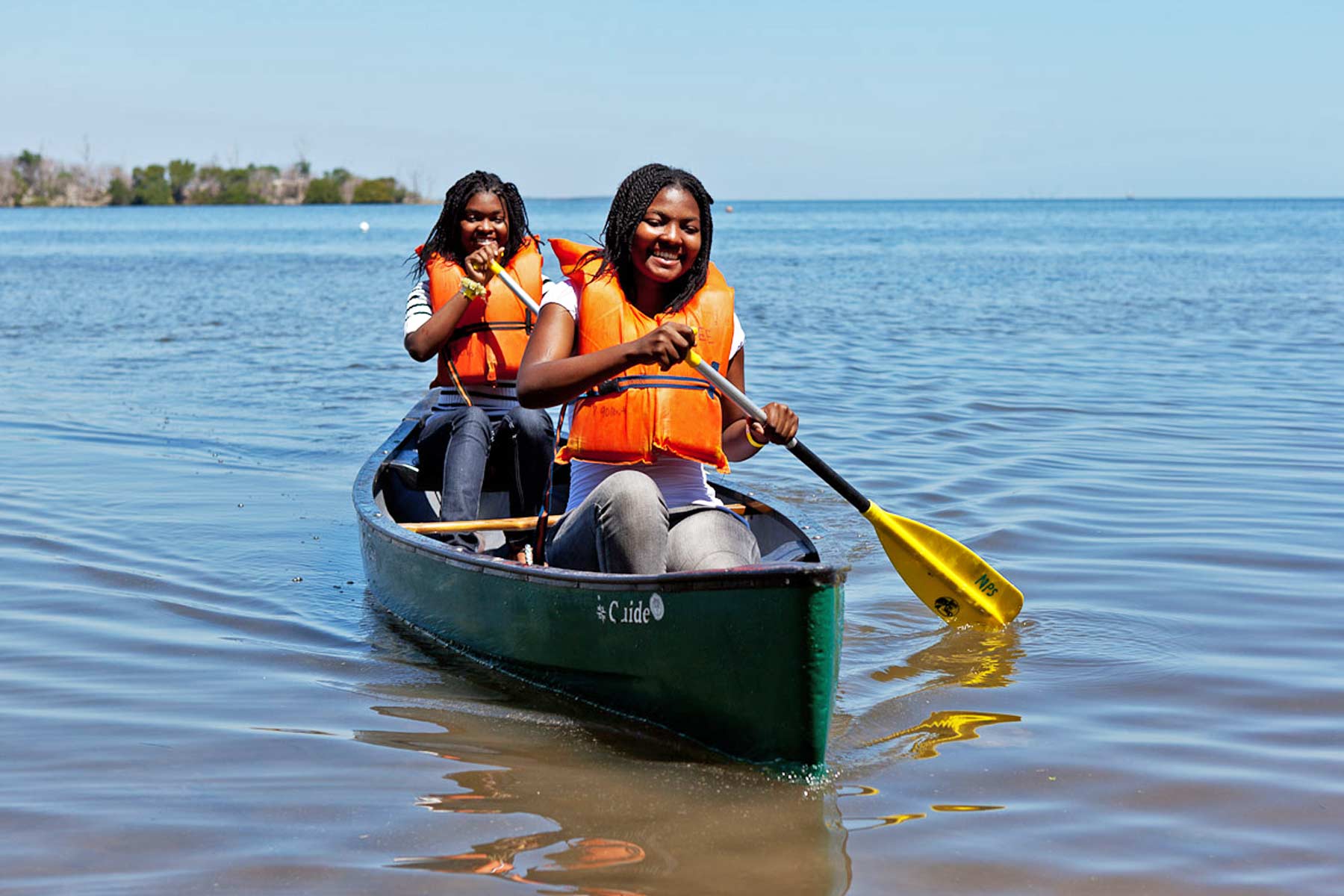
Many if not most of the people who visit America’s national parks enjoy hiking. While there is some “hiking” to be had at Biscayne National Park, most exploring will be done on or under the water.
Why is that? Because 95% of this national park sits underwater.
Other than the Convoy Point area near the visitor center, a boat is needed to access the park.
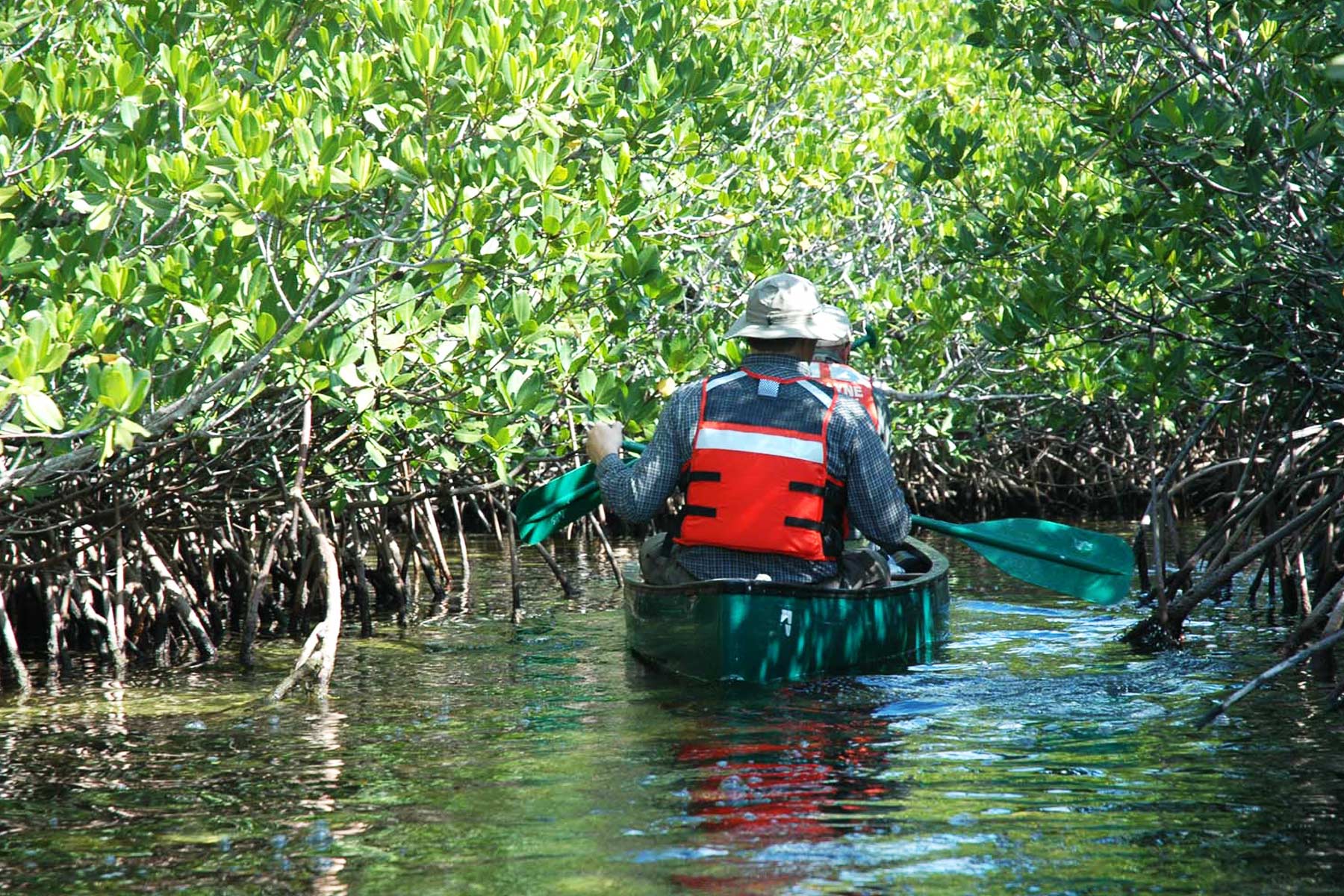
Now how’s this for another one of those amazing Biscayne National Park Facts. There are four ecosystems in the park. These include the Coral Limestone Keys, the offshore Florida Reef, the Shallow Waters of Biscayne Bay, and the Shoreline Mangrove Swamp.
Major landforms include: a mangrove-covered shoreline, the shallow Biscayne Bay, about 33 keys (or islands) that form a north-south chain separating the bay from the Atlantic Ocean, and the underwater coral reefs in the Atlantic.
14. The Park Is a Sanctuary for Federally Protected Plants
Hundreds of different plant species can be found in the park including plants that grow under water such as seagrasses. These include more than 60 plant species listed as threatened or endangered.
Some of the last populations in the world of rare and endangered species are protected here too, such as the Florida semaphore cactus and buccaneer palm, considered to be the rarest palm native to Florida.
15. Biscayne Is Home To Some Of The World’s Most Endangered Animal Species
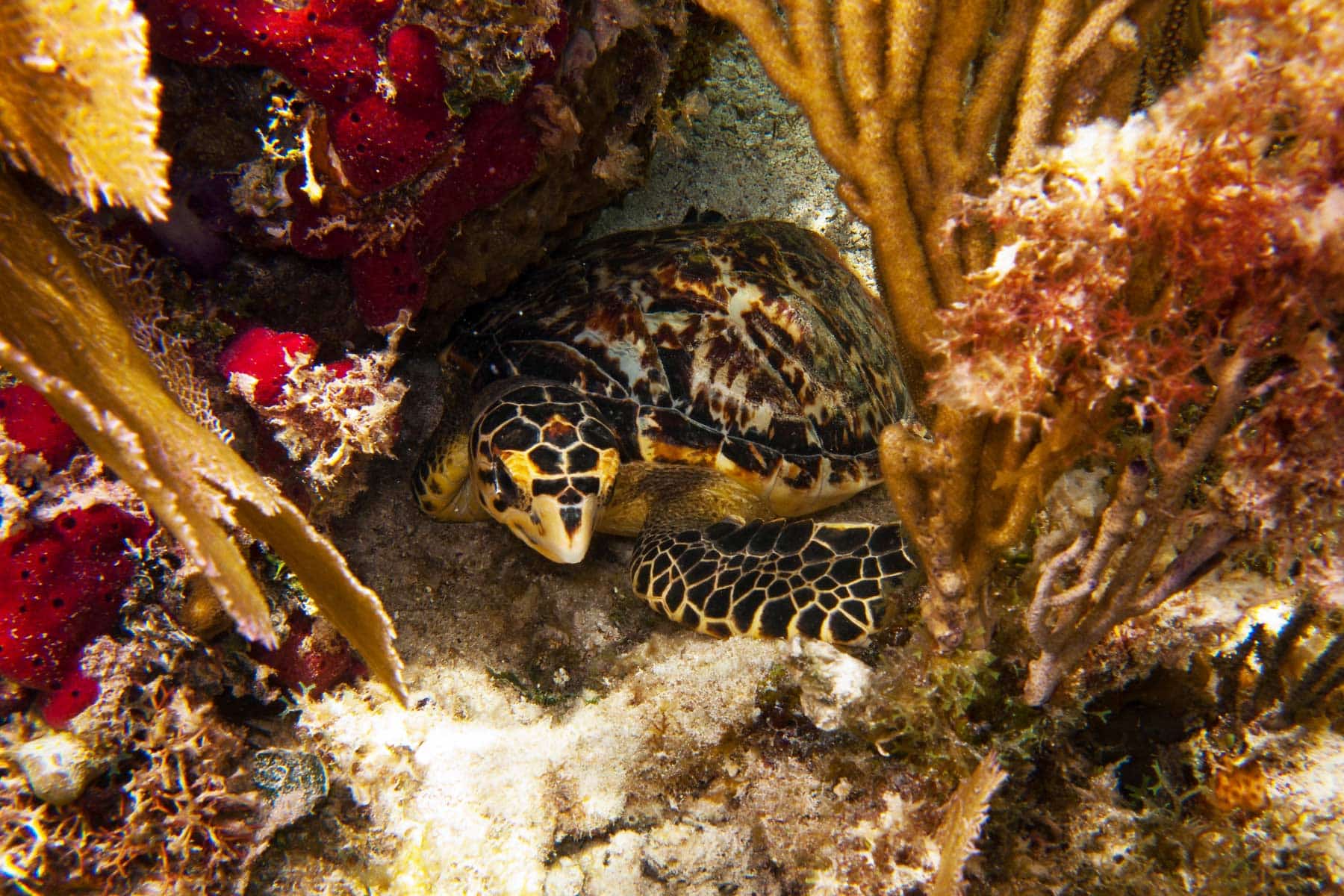
One of the most intriguing Biscayne National Park Facts I came across is that he park is home to many threatened and endangered species including the West Indian manatee, eastern indigo snake, piping plover, American crocodile, peregrine falcon, Schaus’ swallowtail butterfly, least tern, and 5 species of sea turtle.
The Schaus’ swallowtail is a large, colorful butterfly that is endemic to southern Florida and has been listed by the State of Florida as an endangered species since 1975. It was listed federally in 1984 when estimates showed only 70 or fewer adults remaining.
Today the butterfly is only found on northern Key Largo and several small Keys in the park.
We’re Jim Pattiz and Will Pattiz, collectively known as the Pattiz Brothers (and sometimes the Parks Brothers) and we absolutely LOVE the national parks.
You should probably know that we don’t just make this stuff up out of thin air. We’ve spent our entire adult lives exploring and filming America’s national parks and public lands.
We’ve worked with the National Park Service, the Department of Interior, USDA, and the U.S. Forest Service for years creating films on important places and issues. Our work has been featured in leading publications all over the world and even some people outside of our immediate family call us experts on the national parks.
Meet The Parks Brothers
- The First People Came More Than 10,000 Years Ago
- A Pirate Made Biscayne National Park His Headquarters
- Biscayne National Park Offers Its Visitors The Opportunity To Explore Shipwrecks
- The Park Was Used As A Training Area For Cuban Exiles During The Cold War
- Biscayne Bay Is Rich In Archaeological Resources
- Underwater Pirates Continue To Vandalize Biscayne Today
- Biscayne National Park Is Home To An Incredible Diversity Of Life
- The Park Had Its Own “Knight In Shining Armor”
- Biscayne National Park’s Founders Were A Colorful Cast Of Characters
- A Colony Of Weekend Retreats Became A Part Of the the park Story
- Biscayne Protects Part Of The Only Living Coral Reef In The Continental United States
- 95% Of The Park’s Nearly 173,000 Acres Are Underwater
- There Are Four Ecosystems In Biscayne
- The Park Is a Sanctuary for Federally Protected Plants
- Biscayne Is Home To Some Of The World’s Most Endangered Animal Species
We Hope You’ll Follow Our Journey

Our goal here at More Than Just Parks is to share the beauty of America’s national parks and public lands through stunning short films in an effort to get Americans and the world to see the true value in land conservation.
We hope you’ll follow our journey through the parks and help us to keep them the incredible places that they are. If you’re interested in joining the adventure then sign up below!
Related Links:
Florida National Parks: 11 National Parks Worth Visiting
Jacksonville: 9 Best National Parks Near Jacksonville
Miami: National Parks Near Miami You'll Love
National Parks: All 63 National Parks Ranked By Experts
National Monuments: Ultimate List Of National Monuments
Landmarks: 25 Famous Bucket List Landmarks In America (MUST-SEE)
Park Rangers: A Brief (& Informative) History Of America’s National Park Rangers
Gifts: 50 BEST National Park Gifts For The National Park Fan In Your Life
Books: 45 BEST National Parks Books
Revolutionary War Sites: 10 BEST Revolutionary War Sites In America
Civil War Sites: 10 BEST Civil War Sites In America
Civil Rights Sites: 10 BEST Civil Rights Sites In America
National Parks In Movies: Look Familiar? 25+ CLASSIC Movies Filmed In The National Parks
Frequently Asked Questions About Biscayne National Park
When is the best time to visit Biscayne?
The best time to visit Biscayne National Park is December through April. Conditions vary significantly by season, so plan accordingly and check current conditions before your trip.
How much does it cost to enter Biscayne National Park?
The entrance fee for Biscayne National Park is Free per vehicle (valid for 7 days). An America the Beautiful Annual Pass ($80) covers entrance to all 63 national parks and 2,000+ federal recreation sites.
What is Biscayne known for?
Biscayne National Park is known for Coral reef snorkeling and diving, Mangrove shoreline, Maritime heritage and shipwrecks, and Undeveloped barrier islands. The park spans 172,971 acres and was established in 1980.
What are the best things to do at Biscayne National Park?
The top activities at Biscayne include Snorkeling, Scuba diving, Kayaking, Boating, Wildlife watching, and Fishing. Check our Biscayne guide for detailed recommendations.
Where is Biscayne National Park located?
Biscayne National Park is located in Florida. Visit our complete Biscayne guide for directions, nearby airports, and getting-there tips.
What to Bring to Biscayne
Gear we recommend for Biscayne. Affiliate links support our work at no cost to you.
Affiliate disclosure: Some links on this page earn us a small commission at no extra cost to you. We only recommend gear we actually use.