When I taught American history, the civil rights era was the unit that always hit my students the hardest. You could hear a pin drop in the classroom. These places carry that same weight when you visit them in person.
As a retired history teacher who now spends much of his time researching and writing articles for More Than Just Parks, I’m going to share some of the interesting stories associated with each of these amazing sites.
We’ve got historic conflicts, courageous people, incredible museums, pivotal moments and so much more.
In fact, More Than Just Parks helped to film and produce this incredible NPS film which covered many of the most amazing Civil Rights sites in America.
There’s no substitute for actually going there and experiencing these historic places for yourself so let’s get started with our Top 10 list of Best Civil Rights Sites.
#10. The Legacy Museum
Location: Montgomery, Alabama
We begin our Top Ten List Of The Best Civil Rights Sites In America with The Legacy Museum. To truly understand and appreciate the historic struggle for Civil Rights in America, it’s important to begin with some context.
It was Pulitzer-Prize Winning Author & Historian David McCullough who said, “History is a guide to navigation in perilous times. History is who we are and why we are the way we are.”
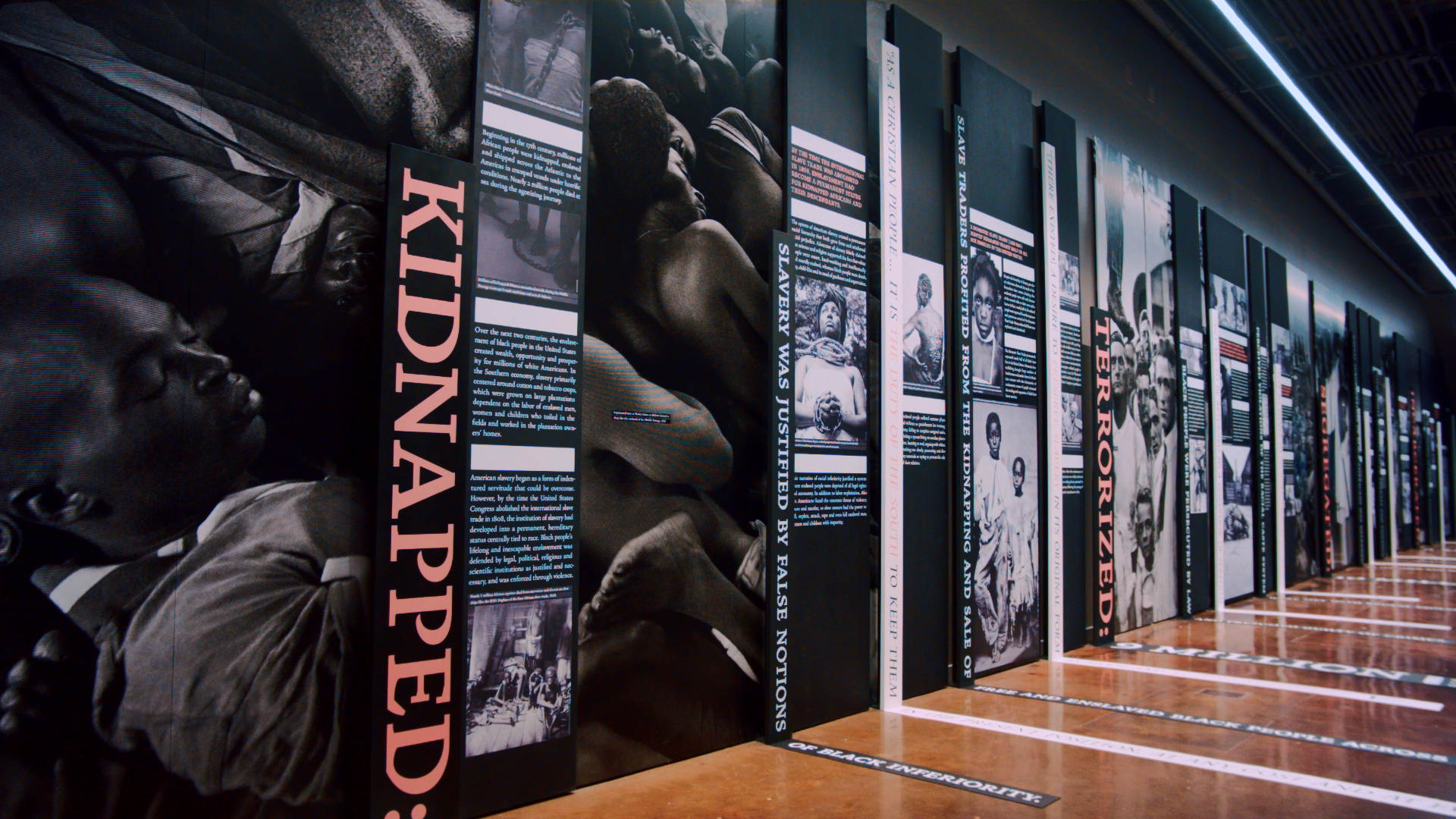
The Legacy Museum: From Enslavement To Mass Incarceration helps us to understand this by examining how the end of the Civil War was just the beginning of the fight for freedom for African-Americans.
This museum is located near the former site of one of the most prominent slave auctions in the country. It’s just steps away from the rail station where tens of thousands of enslaved people were trafficked during the height of the slave trade.

Take A Trip Back In Time
On entering the museum, visitors take a trip back in time. You are confronted with replicas of slave pens and, through sights and sounds, you’ll experience what it would have been like to be imprisoned while waiting for the auction block.
There’s powerful narration taken from first-person accounts of enslaved people which brings a sobering authenticity to the exhibits.
Beyond slavery, these important displays and powerful visuals are based on extensive research of the horrific lynching and dehumanization wrought by the South’s Jim Crow laws.
“Those who deny freedom to others deserve it not for themselves, and, under a just God, cannot long retain it.”
-Abraham Lincoln, letter to H.L. Pierce, April 6, 1859
What this extraordinary museum does is engage its visitors in understanding the legacy of America’s racial injustice.
They provide an important link from the past to current social issues such as mass incarceration of African-Americans and police violence.

Slavery By Another Name
To truly understand and appreciate the history that isn’t being taught in schools today, I recommend Slavery by Another Name: The Re-Enslavement of Black Americans from the Civil War to World War II by Douglas A. Blackmon.
The book, winner of the 2009 Pulitzer Prize in Non-Fiction, examines laws which were enacted during the first half of the twentieth century long after the end of the Civil War and the passage of the 13th, 14th and 15th amendments.

These laws were enacted specifically to intimidate and marginalize people of color. As a consequence, tens of thousands of African-Americans were arbitrarily arrested, hit with outrageous fines, and charged for the costs of their own arrests.
With no means to pay these ostensible “debts,” prisoners were sold as forced laborers to coal mines, lumber camps, brickyards, railroads, quarries, and farm plantations.
Thousands of other African Americans were simply seized by southern landowners and compelled into years of involuntary servitude. Government officials leased falsely imprisoned blacks to small-town entrepreneurs, provincial farmers, and dozens of corporations, including U.S. Steel, looking for cheap and abundant labor.
Armies of “free” black men labored without compensation, were repeatedly bought and sold, and were forced through beatings and physical torture to do the bidding of white masters for decades after the official abolition of American slavery.
5 MUST-SEE Historic Sites In Alabama
#9. The National Memorial For Peace & Justice
Location: Montgomery, Alabama
Coming in at #9 on our Top Ten List Of The Best Civil Rights Sites In America is the National Memorial For Peace & Justice
In 1903, W. E. B. Du Bois prophetically stated: “The problem of the twentieth century is the problem of the color line.”
To truly understand what he meant and why so many would be willing to risk their lives and their futures for a more perfect union it is important to comprehend the injustices which were perpetrated against African-Americans long after the 13th, 14th & 15th Amendments had become the laws of the land.

The National Memorial for Peace and Justice opened on April 26, 2018.
It’s the nation’s first memorial dedicated to the legacy of enslaved Black people, people terrorized by lynching, African Americans humiliated by racial segregation and Jim Crow.
For much of our history, people of color were burdened with contemporary presumptions of guilt and police violence.
“Darkness cannot drive out darkness, only light can do that. Hate cannot drive out hate, only love can do that.”
-Dr. martin luther king, jr.
Confronting The Legacy Of Racial Terror
More than 4400 African American men, women, and children were hanged, burned alive, shot, drowned, and beaten to death by white mobs between 1877 and 1950.

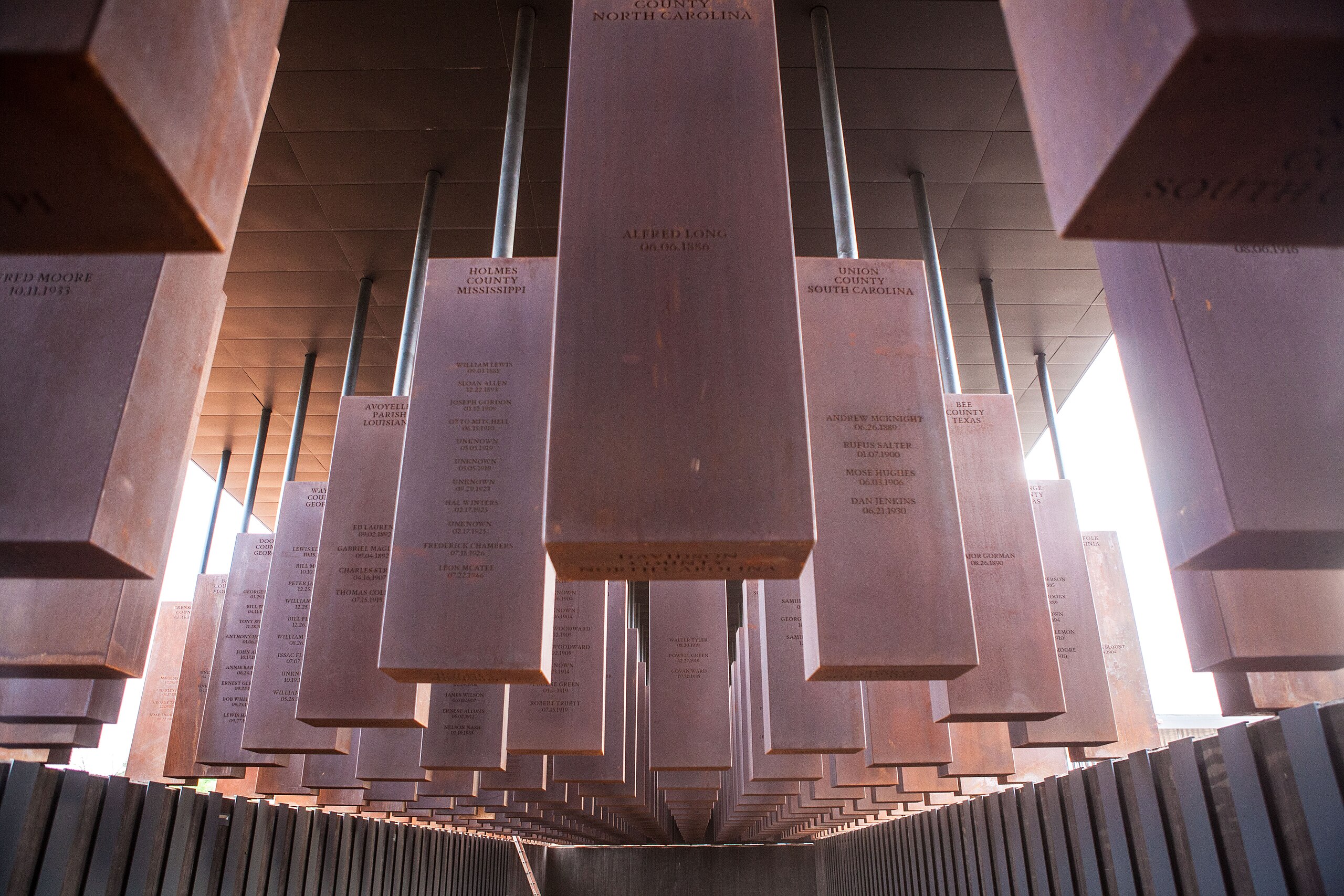
The National Memorial for Peace and Justice is a sacred space which confronts this frightful legacy of domestic terrorism by using sculpture, art, and design to contextualize racial terror.
The site includes a memorial square with 800 six-foot monuments to symbolize thousands of racial terror lynching victims in the United States and the counties and states where this terrorism took place.
Visitors are led on a powerful journey from slavery, through lynching and racial terror, with text, narrative, and monuments to the lynching victims in America. This powerful experience continues through the Civil Rights era.

To learn more, I recommend reading Black Reconstruction in America, 1860-1880 by W.E.B. DuBois.
#8. Martin Luther King, Jr. Memorial
Location: Washington, D.C.
Coming in at #8 on our Top 10 List Of Civil Rights Sites is a tribute to a man became the leader of the Civil Rights Movement in America.
Described as the “conscience of the nation,” Martin Luther King, Jr. was a Baptist Minister who became the leading spokesperson of the Civil Rights Movement in the 1960s.
Dr. King advanced the cause of Civil Rights through nonviolence.
His marches and protests helped to build pressure to bring about landmark Civil Rights and Voting Rights acts.
National Parks In Washington, D.C.
Injustice anywhere is a threat to justice everywhere.”
-Dr. Martin Luther King, Jr.
Nobel Peace Prize
On October 14, 1964, Dr. King was awarded the Nobel Peace Prize for his pioneering work in combating racial discrimination and injustice.
He was one of two influential Georgians to receive this honor.

Things To Do At The Martin Luther King, Jr. Memorial
As you explore the Martin Luther King, Jr. Memorial, you will have views of quotes from throughout King’s lifetime and of a striking sculpture of the civil rights leader.
There is a bookstore located near the memorial, offering visitors a wide variety of products to commemorate your visit and learn more.
“We’ve been in the mountain of war. We’ve been in the mountain of violence. We’ve been in the mountain of hatred long enough. It is necessary to move on now, but only by moving out of this mountain can we move to the promised land of justice and brotherhood and the Kingdom of God.
-Dr. martin luther king, jr.
It all boils down to the fact that we must never allow ourselves to become satisfied with unattained goals. We must always maintain a kind of divine discontent.”

7. Dexter Avenue King Memorial Baptist Church
Location: Montgomery, Alabama
At #7 on our list of the Top 10 Civil Rights Sites in America is a place where history was made by courageous men and women who were willing to risk everything.
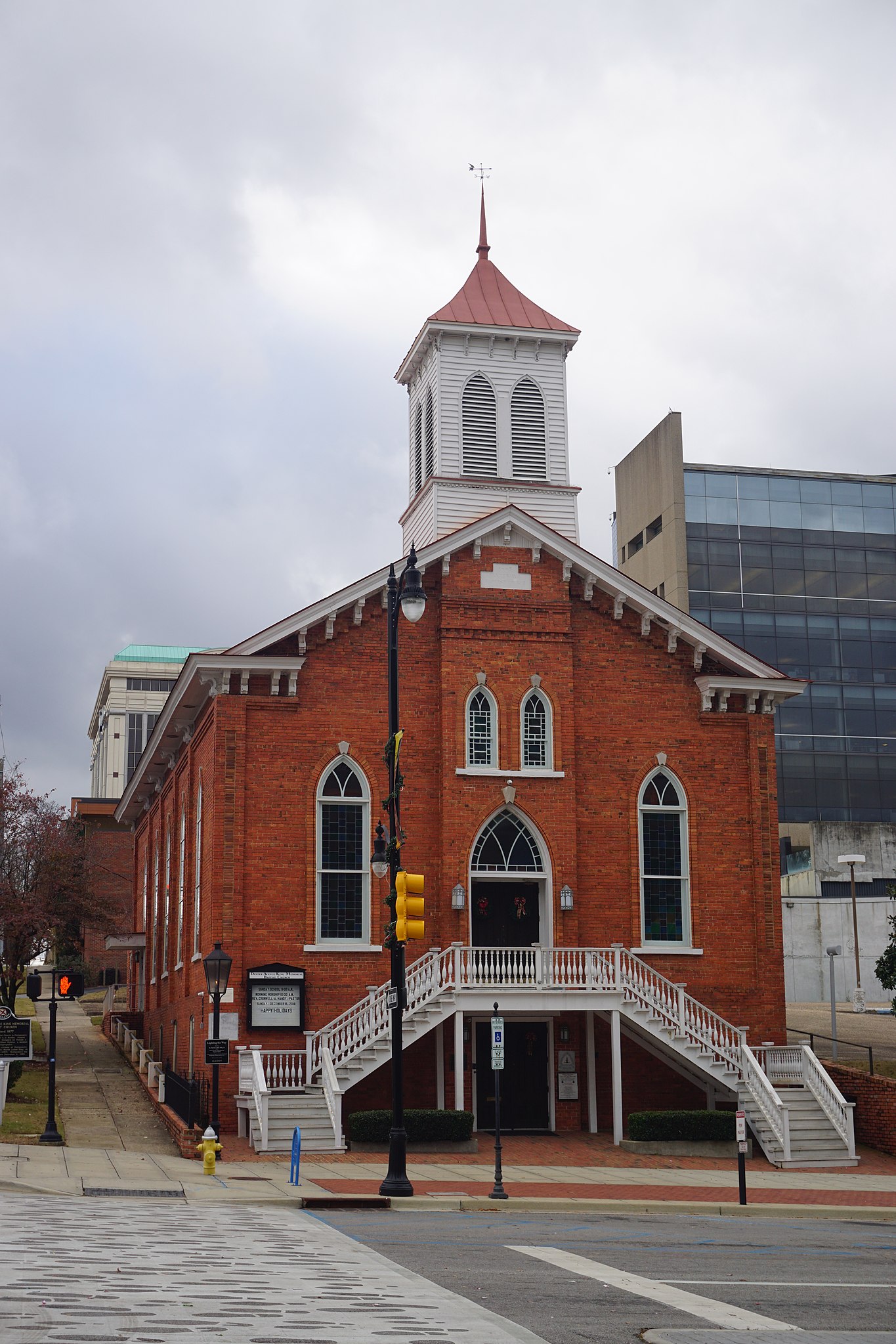
If only these walls could only talk. The Dexter Avenue King Memorial Baptist Church was the site of some of the most important meetings and moments of the Civil Rights Era.
This church was the site of mass meetings to organize the famous Montgomery Bus Boycott.
The boycott took place from December 5, 1955, to December 20, 1956.
It is regarded as the first large-scale U.S. demonstration against segregation and the beginning of the Civil Rights Movement in America.
“The ultimate measure of a man is not where he stands in moments of comfort and convenience, but where he stands at times of challenge and controversy. The true neighbor will risk his position, his prestige, and even his life for the welfare of others.”
-dr. martin luther king, jr.
See The Place Where Dr. Martin Luther King, Jr. Began His Journey
The preserved Dexter Avenue King Memorial Baptist Church appears as it did when Dr. Martin Luther King Jr. served here as pastor, from 1954-1960.
The church was designated as a National Historic Landmark in 1974 because of its importance in the civil rights movement and American history.
Ironically, the church was founded in 1877 in a slave trader’s pen, located on Dexter Avenue (formerly Market Street) in Montgomery, Alabama.
Over the years, it served the community through the use of its facilities as meeting place for many civic, educational and religious groups, and through its human resources.
Much of Montgomery’s early civil rights activity was directed by Dr. King from his office in the lower unit of the church.
Today, thousands of visitors from around the globe come to the Church to be inspired by and educated on its history as well as Dr. King’s role in the Montgomery Bus Boycott.

25 BUCKET-List Famous Landmarks In America (MUST-SEE)
#6. 16th Street Baptist Church
Location: Birmingham, Alabama
We conclude the Bottom of the Top 10 Civil Rights Sites In America with a different church with an impact as great if not greater than Dexter Avenue.
The 16th Street Baptist Church in Birmingham, Alabama, also served as an organizational headquarters, site of mass meetings and rallying point for African Americans protesting widespread institutionalized racism in Birmingham, Alabama, and the South. This church has a darker history than Dexter Avenue.
On September 15, 1963, the congregation was preparing for Sunday morning services when a bomb exploded.
Four young girls were killed and many other people injured.

A Church Bombing Becomes A Call To Action
Outrage over the bombing and the violent clash between protesters and police that followed brought national attention to the hard-fought, often-dangerous struggle for Civil Rights for African Americans.
Many of the civil rights protest marches that took place in Birmingham during the 1960s began at the steps of the 16th Street Baptist Church. The Civil Right Movement was planned at religious centers, such as 16th Street & Dexter Avenue.
These churches became meeting places for Civil Rights organizers like Dr. King.

In the aftermath of the bombing, thousands of angry Black protesters gathered at the scene of the bombing.
When Governor George Wallace sent police and state troopers to break the protests up, violence broke out across the city; a number of protesters were arrested, and two young African American men were killed (one by police) before the National Guard was called in to restore order.
In 1977, Alabama Attorney General Bob Baxley reopened the investigation and Klan leader Robert E. Chambliss was brought to trial for the bombings and convicted of murder. Continuing to maintain his innocence, Chambliss died in prison in 1985.
The case was again reopened in 1980, 1988 and 1997, when two other former Klan members, Thomas Blanton and Bobby Frank Cherry, were finally brought to trial; Blanton was convicted in 2001 and Cherry in 2002. A fourth suspect, Herman Frank Cash, died in 1994 before he could be brought to trial. (Source: History)

The 5th Little Girl
If you’re interested in learning more than I recommend The 5th Little Girl: Soul Survivor of the 16th Street Baptist Church Bombing (The Sarah Collins Rudolph Story) by Tracy Snipe (with Sarah Collins Rudolph).
The blast left twelve-year-old Sarah Collins temporarily blind and in this moving account she tells her incredible story.
See History Up Close At The 16th Street Church
Today the 16th Avenue Church provides tours.
Visitors can see the site where Civil Rights meeting were held, learn about the people who played an important role and find the fascinating history of a place which served as a symbol of the struggle for racial equality.
Tickets are $5 for students and $10 for adults. Please plan at least 1 hour to complete the tour.
“Make a career of humanity. Commit yourself to the noble struggle for equal rights. You will make a better person of yourself, a greater nation of your country, and a finer world to live in.”
-dr. martin luther king, jr., March for Integrated Schools, April 18, 1959
#5. Freedom Rides Museum
Location: Montgomery, Alabama
At #5 on our list of the Top 10 Civil Rights Sites in America we have the Freedom Riders National Monument.
The Freedom Riders were among the first of more than 400 volunteers who traveled throughout the South on regularly scheduled buses for seven months in 1961. Their mission was to test a 1960 Supreme Court decision that declared segregated facilities for interstate passengers illegal.
The Freedom Riders were organized and led by the Congress of Racial Equality’s (Core) Executive Director James Farmer.
A dozen activists were paired into two interracial sets of Freedom Riders. They traveled on Greyhound and Trailways buses, respectively, from Washington D.C. to New Orleans, LA.
Met By A Mob In Anniston, Alabama
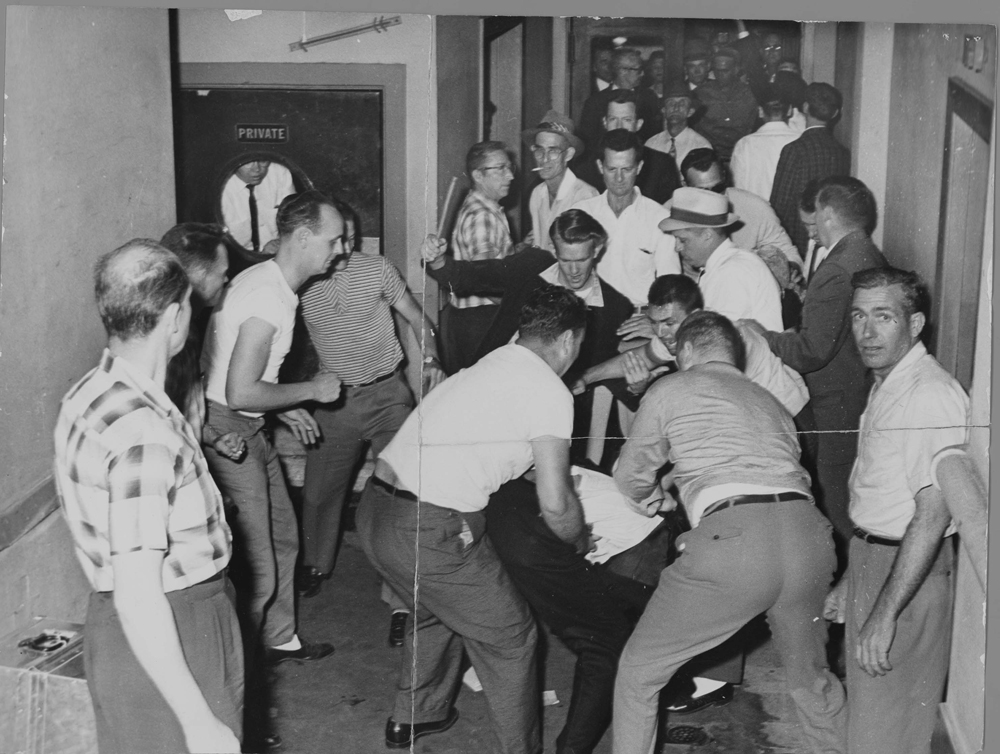
The Freedom Riders journey proceeded without incident until they reached Anniston, Alabama. There they were met by an angry mob whose members threw rocks and slashed the bus’s tires. The white supremacists then firebombed the vehicle.
A different group of Freedom Riders traveled to Montgomery, Alabama, where another angry mob of men, women and children carrying baseball bats, tire irons and bricks met them at the terminal.
They attacked Student Nonviolent Coordinating Committee (SNCC) activists John Lewis and Jim Zwerg who both sustained severe injuries.
I highly recommend Freedom Riders: John Lewis and Jim Zwerg on the Front Lines of the Civil Rights Movement by Ann Bausum.
The book is a riveting account of two courageous young men who put their lives on the line to bring about a new birth of freedom.

Take a long, hard look down the road you will have to travel once you have made a commitment to work for change.
, John Lewis on protesting in Across That Bridge: Life Lessons and a Vision for Change
Know that this transformation will not happen right away. Change often takes time. It rarely happens all at once.
In the movement, we didn’t know how history would play itself out. When we were getting arrested and waiting in jail or standing in unmovable lines on the courthouse steps, we didn’t know what would happen, but we knew it had to happen.”
Explore Freedom Riders National Monument
The Freedom Riders National Monument includes the former Greyhound Bus Station located at 1031 Gurnee Avenue. It also includes the place where the bus was firebombed.
It’s about six miles outside of the town on State Route 202, two sites where the Freedom Riders were attacked by segregationist mobs.

#4. Rosa Parks Museum
Location: Montgomery, Alabama
We continue our Top 5 Civil Rights Sites In America with a museum which honors the life and legacy of a Civil Rights icon.
Troy University’s Rosa Parks Museum is an active memorial to the life of civil rights icon Rosa Parks and the lessons of the Montgomery Bus Boycott that brought racial integration to transportation and international attention to Civil Rights.

Rosa Parks Life & Legacy
Rosa Parks took a stand simply by refusing to get up. Her heroic act of civil disobedience was the beginning of the Civil Rights Movement in America.
Parks was arrested in Montgomery, Alabama, for refusing to give up her seat to a white passenger in 1955.
For 381 days, African-Americans boycotted public transportation to protest Parks’ arrest and, in turn, segregation laws.
Parks became known as “the Mother of the Civil Rights Movement.”

A Life Dedicated To Service
Parks began life on a small farm with her grandparents before moving to Montgomery.
She married Raymond Parks and joined the Montgomery National Association for the Advancement of Colored People (NAACP). Parks served as the secretary of the local NAACP for twelve years (1943-1956).
In the wake of the Montgomery Bus Boycott, Parks lost her tailoring job and received death threats. She and her family moved to Detroit, Michigan in 1957.
Despite all of the hardship and adversity, she remained an active member of the NAACP . Parks worked for Congressman John Conyers (1965-1988) helping the homeless find housing.
The Rosa and Raymond Parks Institute Of Self-Development was established in 1987 to offer job training for black youth.
In 1999, Parks received the Congressional Gold Medal of Honor, the highest honor a civilian can receive in the United States.

The Southern Christian Leadership Conference (SCLC) also sponsors an annual Rosa Parks Freedom Award. (Source: NPS)
To learn more about this remarkable lady, I recommend Rosa Parks: My Story by Rosa Parks & Jim Haskins.
Things To Do At The Rosa Parks Museum
The Rosa Parks Museum contains a number of historically significant artifacts including the original fingerprint arrest record of Mrs. Parks, a 1950s-era Montgomery city bus, original works of art including statuary and quilts, court documents and police reports, as well as a restored 1955 station wagon (known as a “rolling church”) used to transport protesters.
While you’re there you’ll get to peer into the faces and hear the voices of brave men and women who fought for freedom. Exhibits give visitors a glimpse of the segregated South and the daily injustices confronted by African Americans.

3. Martin Luther King, Jr. National Historical Park
Location: Atlanta, Georgia
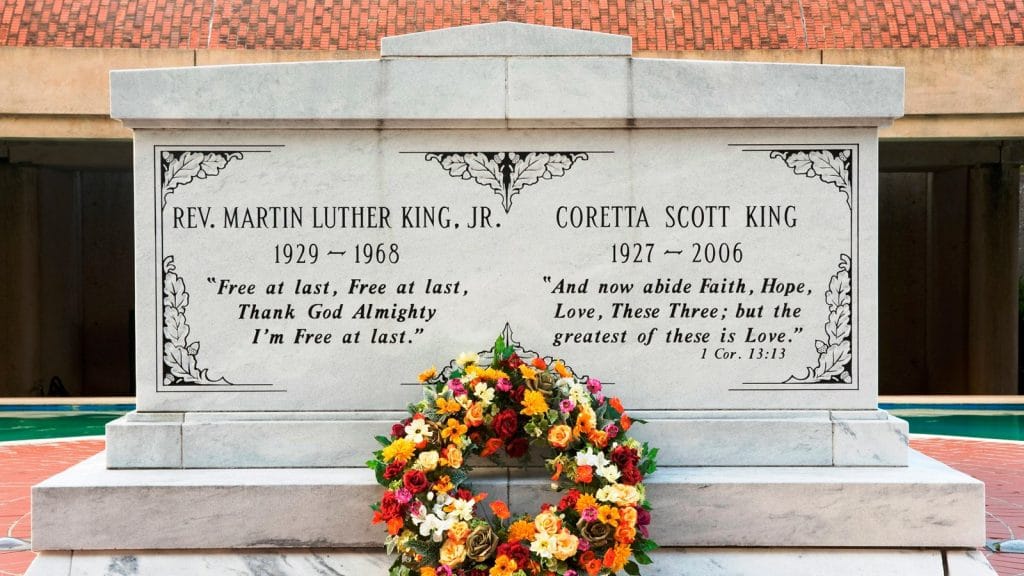
At #3 on our list of the Top 10 Civil Rights Sites is the Martin Luther King, Jr. National Historical Park.
As referenced earlier, Dr. King fought for justice through peaceful protest, and delivered some of the 20th century’s most iconic speeches. Martin Luther King, Jr., is a civil rights legend.
In the 1950s and 1960s, he led the movement to end segregation and counter prejudice in the United States through the means of peaceful protest.
10 MUST-SEE Historic Sites In Georgia
Things to See at this Civil Rights Site
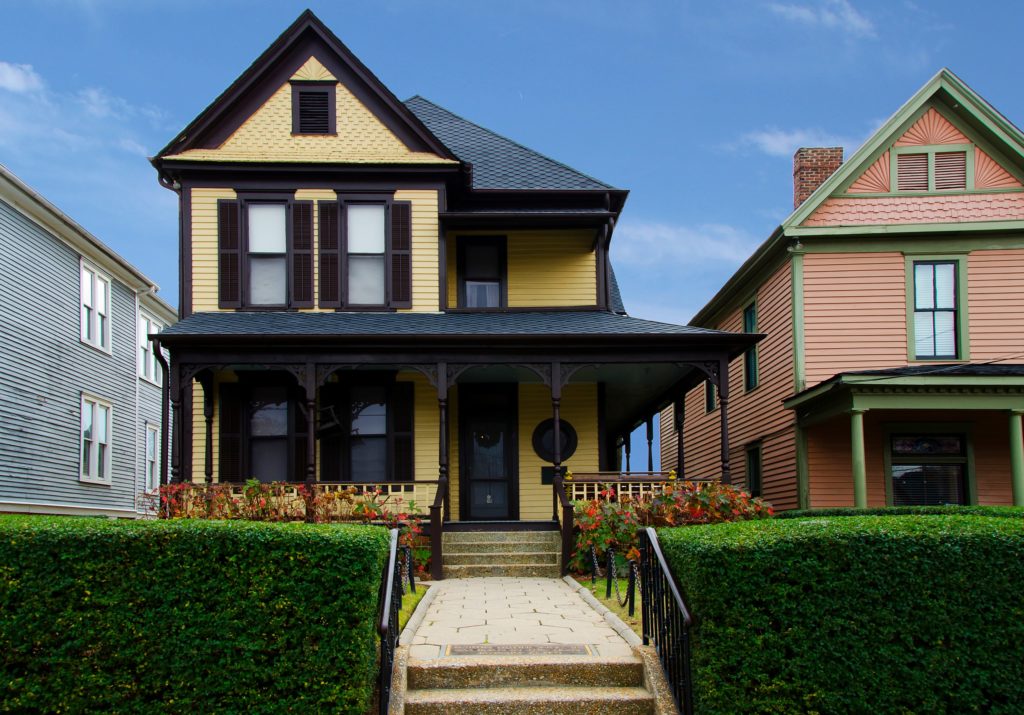
The Martin Luther King Jr. National Historical Park consists of several buildings in Atlanta, Georgia. It includes Dr. King’s boyhood home, the original Ebenezer Baptist Church and The Martin Luther King, Jr. Center for Nonviolent Social Change (“The King Center”).
The National Park Service has restored many of the neighboring buildings to reflect their appearances in the 1930s and 1940s — the period of time when Dr. King grew up there.
Visitors today can step into that era and imagine themselves walking with the residents, hearing the noise of this lively neighborhood and experiencing what life was like in those tumultuous times. (Source: National Park Service)

Take A Deeper Dive With This Excellent History Of The Civil Rights Movement In American
In my humble opinion, the best overall history of the Civil Rights Movement in America is the Taylor Branch Trilogy.
These books include: Parting the Waters : America in the King Years 1954-63, Pillar of Fire : America in the King Years 1963-65, and At Canaan’s Edge: America in the King Years, 1965-68.
These books represent a masterpiece of storytelling on race and democracy, violence and nonviolence. They deliver riveting tales of everyday heroes whose stories are as relevant today as they were in their own time.
Branch’s magnificent trilogy makes clear why the Civil Rights Movement in general and Martin Luther King’s leadership in particular, are among the nation’s most enduring achievements.
#2. Selma To Montgomery National Historic Trail
Location: Selma, Alabama
At #2 on our list of the Top 10 Civil Rights Sites In America we have theSelma To Montgomery National Historic Trail.
As a retired history teacher one of the best parts about retirement is now I have the time to jump into my car and visit the places I spent so much time talking about for so many years.
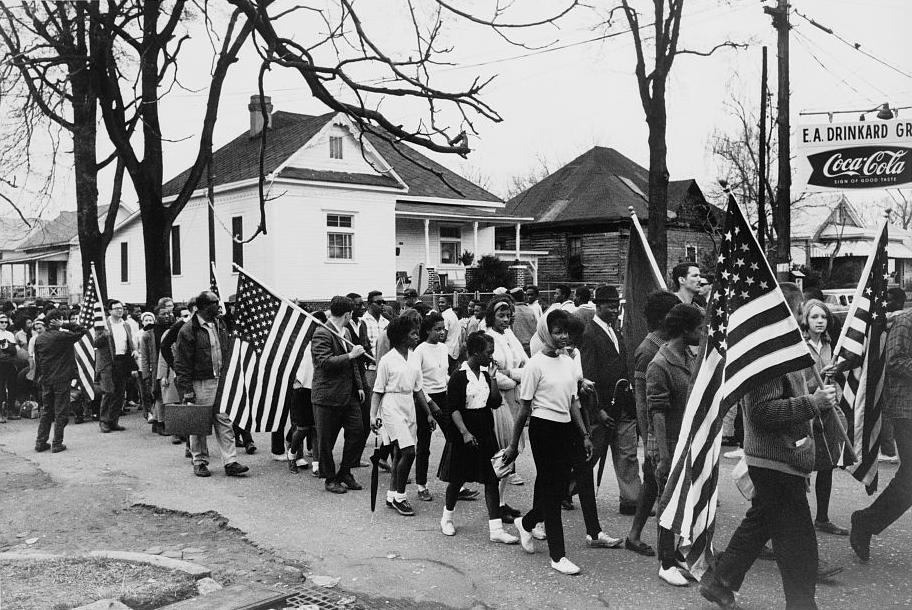
On March 25, 1965, Martin Luther King, Jr. led thousands of nonviolent demonstrators to the steps of the capitol in Montgomery, Alabama, after a 5-day, 54-mile march from Selma, Alabama.
Bloody Sunday
March 7, 1965 preceded the historic march. It came to be known as “Bloody Sunday.”
On that fateful day, 25-year-old activist John Lewis led over 600 marchers across the Edmund Pettus Bridge in Selma, Alabama, and into the history pages.
After a two-minute warning was announced, the troops advanced, wielding clubs, bullwhips, and tear gas.
Television cameras captured the entire assault and transformed the local protest into a national civil rights event. It took hours for the film to be flown from Alabama to the television network headquarters in New York, but when it aired that night, Americans were appalled at the sights and sounds of Bloody Sunday.
Lewis: I was hit on my head right here.
-From John Lewis congressional testimony on the events of bloody sunday
Hall: What were you hit with?
Lewis: I was hit with a billy club, and I saw the State Trooper that hit me.
Hall: How many times were you hit?
Lewis: I was hit twice, once when I was lying down and was attempting to get up.
Hall: Do we understand you to say were hit . . and then attempted to get up and were hit, and was hit again.
Lewis: Right.

“Their Cause Must Be Our Cause Too”
State and local lawmen attacked them with clubs and tear gas and drove them back into Selma.
John Lewis suffered a skull fracture. Lewis was one of fifty-eight people treated for injuries at the local hospital. Television coverage of “Bloody Sunday,” triggered national outrage.
On 15th, March President Lyndon Johnson addressed Congress, identifying himself with the demonstrators in Selma in a televised address: “Their cause must be our cause too. Because it is not just Negroes, but really it is all of us, who must overcome the crippling legacy of bigotry and injustice. And we shall overcome.”

The Marchers Kept Marching Towards Montgomery
The day after Johnson’s speech, Selma demonstrators submitted a detailed march plan to Judge Johnson. He approved the demonstration and enjoined Alabama’s Governor George Wallace and local law enforcement from harassing or threatening marchers.
Twenty five thousand demonstrators joined Dr. Martin Luther King, Jr., on the steps of the state capitol in Montgomery, Alabama.
It was there that he said, “The end we seek is a society at peace with itself, a society that can live with its conscience. And that will be a day not of the white man, not of the black man. That will be the day of man as man.”
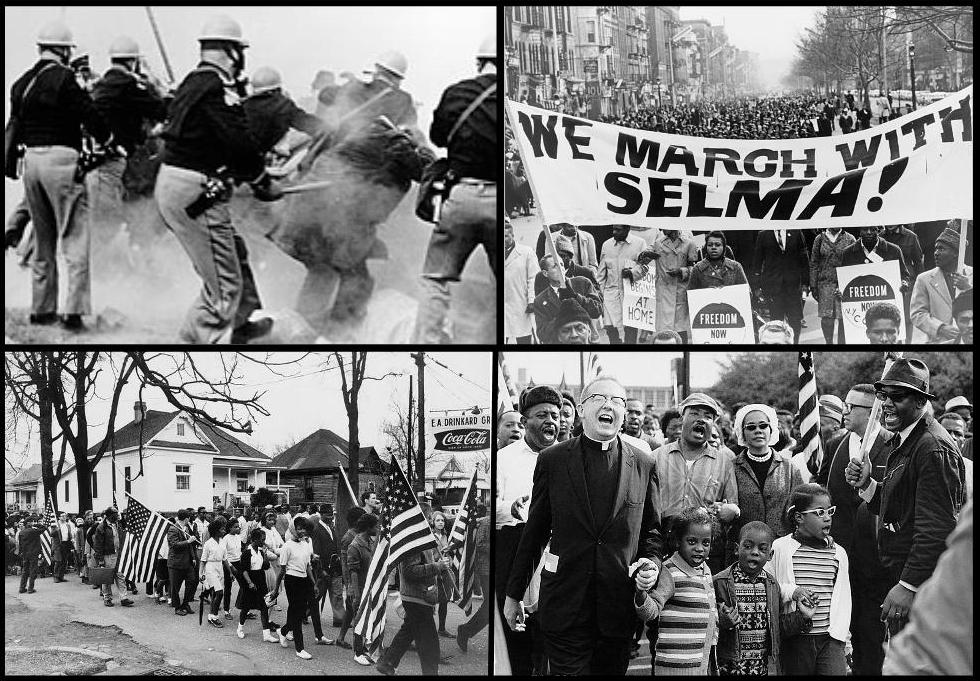
Top right: Marchers carrying banner “We march with Selma!” on street in Harlem, New York City, New York in 1965
Bottom left: Participants in the Selma to Montgomery march in Alabama during 1965 Bottom right: Dr. Martin Luther King, Dr. Ralph David Abernathy, their families, and others leading the Selma to Montgomery march in 1965 (Courtesy of Wikimedia Commons)
“The time is always right to do what is right.”
-Dr. martin Luther king, jr.
Retrace The Footsteps Of Progress Along The Selma To Montgomery Trail
Visitors are encouraged to drive the same route taken by Dr. King and thousands of his followers. Along the way, stop off at the Selma Interpretive Center which serves as the Welcome Center to the trail located at the foot of the Edmund Pettus Bridge. The Interpretive Center offers an interpretive exhibit and bookstore.
Other points of historical interest while in Selma include: Brown Chapel A.M.E. Church, First Baptist Church, George Washington Carver Homes and wayside exhibits.
You can also visit the National Voting Rights Museum & Park (privately owned), Slavery & Civil War Museum, Old Depot Museum, Smitherman Museum and, of course, the Edmund Pettus Bridge.
Once you get to Montgomery, there’s the Rosa Parks Museum, Dexter Avenue King Memorial Baptist Church, Alabama State Capitol and the Southern Law Poverty Center.
So much history. So many amazing places. So, what are you waiting for?

#1. Birmingham Civil Rights National Monument
Location: Birmingham, Alabama
Our #1 Civil Rights Sites In America is the Birmingham Civil Rights National Monument.
Come to Alabama and visit the incredible historic sites which commemorate our nation’s long march towards freedom.
When you visit these places and imagine the struggles of the people who risked so much for the rights we take for granted today it gives you a real understanding of their heroism.
You’ll truly appreciate the words and the courage demonstrated by thousands of African-Americans in the 1950s and 1960s who battled segregation in American society.

The Struggle For Civil Rights
The dramatic images of violent aggression against civil rights protesters in Birmingham, Alabama were vivid examples of segregation and racial injustice in America.
The Birmingham Civil Rights National Monument examines the struggle for racial equality. It encompasses roughly four city blocks in downtown Birmingham, Alabama.
The National Monument includes the A.G. Gaston Motel, which served as the headquarters for the Birmingham campaign.
It was here from April through May of 1963 that the leaders of the civil rights movement, including Reverend Dr. Martin Luther King, Jr., made the critical decisions about their non-violent campaign to overturn Birmingham’s segregation laws and practices.
Important Landmarks Worth Visiting
Important landmarks worth visiting include the following:
- The 16th Street Baptist Church target of September 1963 bombing that killed four young girls who were preparing for Sunday school.
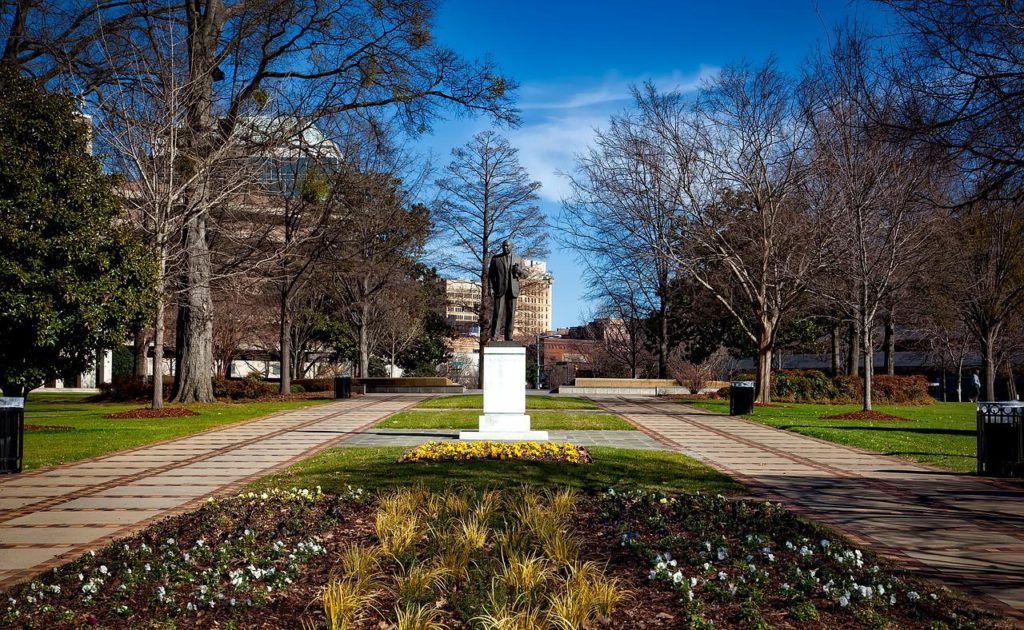
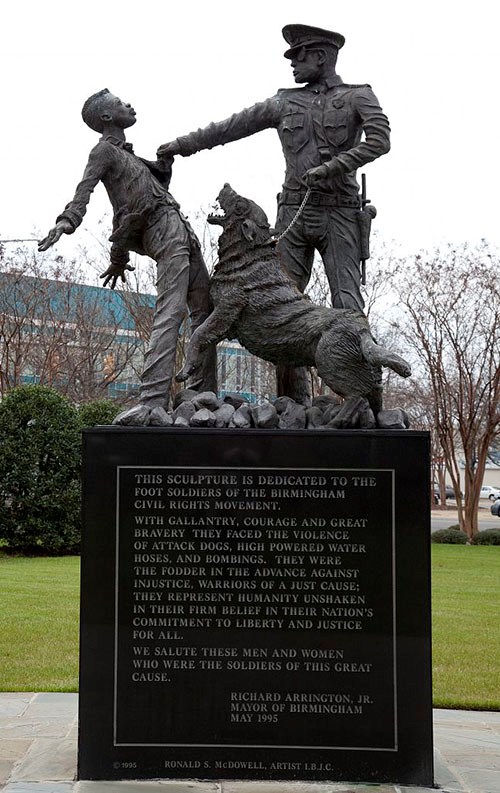
- Kelly Ingram Park where protesters, including many children, were violently disrupted by police dogs and powerful water cannons. Images of the brutal police response to peaceful protesters spread across the country through the news media, shocking the conscience of the nation and the world.
- The 4th Avenue Historic District sites listed in the National Register of Historic Places. It was the retail and entertainment center for black-owned businesses serving African American customers during Birmingham’s extended period of forced segregation.
- Bethel Baptist Church, located six miles north of the city center, was the headquarters of the Alabama Christian Movement for Human Rights and was bombed three times, in 1956, 1958 and 1962. (Source: NPS)
“If you see something that is not right, not fair, not just, you have a moral obligation to do something about it.”
-john lewis
Map Of Civil Rights Sites
List Of Top 10 Civil Rights Sites In America
- Birmingham Civil Rights National Monument, Birmingham Alabama
- Selma to Montgomery National Historic Trail – Alabama
- Martin Luther King Jr. National Historic Park, Atlanta, Georgia
- Rosa Parks Museum, Montgomery, Alabama
- Freedom Rides Museum, Montgomery, Alabama
- 16th Street Baptist Church, Birmingham, Alabama
- Dexter Avenue King Memorial Baptist Church, Montgomery, Alabama
- Martin Luther King Jr. Memorial, Washington, D.C.
- The National Memorial for Peace and Justice, Montgomery, Alabama
- The Legacy Museum: From Enslavement to Mass Incarceration, Montgomery Alabama
About the Folks Behind More Than Just Parks
You should probably know that we don’t just make this stuff up out of thin air. My sons have spent their entire adult lives exploring and filming America’s national parks and public lands.

As for me, I’m a retired lifelong educator and a proud dad of these two wonderful guys who are hopelessly obsessed with the national parks. I taught history for over a quarter of a century. Now I enjoy researching and writing articles for the More Than Just Parks website. I’m always on the hunt for topics where nature and history intersect so please feel free to share any ideas that you might have with me.
We’ve worked with the National Park Service, the Department of Interior, and the U.S. Forest Service for years creating films on important places and issues. Our work has been featured in leading publications all over the world and even some people outside of our immediate family call us experts on the national parks.
Meet The Parks Brothers
We’re Jim Pattiz and Will Pattiz, collectively known as the Pattiz Brothers (and sometimes the Parks Brothers) and we absolutely LOVE the national parks.
Our goal here at More Than Just Parks is to share the beauty of America’s national parks and public lands through stunning short films in an effort to get Americans and the world to see the true value in land conservation.
We hope you’ll follow our journey through the parks and help us to keep them the incredible places that they are. If you’re interested in joining the adventure then sign up below!
To Learn More Check Out These Civil Rights Books
- Parting the Waters : America in the King Years 1954-63 by Taylor Branch.
- Pillar of Fire : America in the King Years 1963-65 by Taylor Branch.
- At Canaan’s Edge: America in the King Years 1965-68 by Taylor Branch.
- The Tuskegee Airmen: The History and Legacy of America’s First Black Fighter Pilots in World War II by Charles Rivers Editors.
- The Autobiography of Martin Luther King, Jr. by Claborne Carson.
- Benjamin O. Davis, Jr. American: An Autobiography by Benjamin O. Davis, Jr.
- A Testament of Hope: The Essential Writings and Speeches of Martin Luther King, Jr.
- Three African-American Classics: Up from Slavery, The Souls of Black Folk and Narrative of the Life of Frederick Douglass by Booker T. Washington, W.E.B. DuBois & Frederick Douglass.
- Why We Can’t Wait by Dr. Martin Luther King, Jr.
- Where Do We Go from Here: Chaos or Community? by Dr. Martin Luther King, Jr.