

Congaree National Park facts. South Carolina’s only national park protects the largest stretch of old-growth bottomland hardwood forest left in the United States, a floodplain forest where some of the tallest trees in the eastern country stand in water that comes and goes with the seasons.
I taught history for a career before I started visiting these parks, and Congaree is one that rewards a history teacher. Underneath the cypress and the loblolly pines runs a human story of indigenous chiefdoms, Spanish conquistadors, people escaping slavery, and the loggers and conservationists who fought over the same trees.
For planning, trails, and current conditions, start with our guide to Congaree National Park. Below are 10 facts about Congaree, each one checked against the record.
Basic Facts About Congaree
- Location: South Carolina
- Size: Roughly 26,000 acres, including more than 11,000 acres of old-growth bottomland hardwood forest, much of it federally designated wilderness explored on foot, by kayak, or by canoe.
- Maximum elevation: About 140 feet. This is a flat floodplain, not a canyon country.
- Established: Congress created Congaree Swamp National Monument in 1976. In 2003, Congress redesignated it Congaree National Park.
READ MORE: South Carolina National Parks To Visit
Love Congaree? It's one of 117 threatened public lands destinations we're tracking. Get the free briefing.
1. People Have Lived Here For At Least 10,000 Years
According to the National Park Service, archaeological evidence suggests humans have inhabited the Congaree area for at least 10,000 years. The earliest people were nomads who followed the large mammals they hunted and gathered what else they needed along the way.
Over time these groups formed tribes, built more permanent villages, and took up crops and pottery. The arrival of corn, beans, and squash helped unite many small tribes into larger chiefdoms holding wide territories along these rivers.
2. The Park Is Named For The Congaree People
Congaree National Park takes its name from the Congaree people, who claimed this floodplain long before Europeans reached the continent.
Around 1700, the Congaree were devastated by a smallpox epidemic introduced through contact with European settlers, one of many native populations along the Southeast coast cut down by disease.
3. Hernando de Soto’s Expedition Reached The Area In 1540
According to the National Park Service, the Spanish expedition led by Hernando de Soto reached the confluence of the Wateree and Congaree rivers in 1540. De Soto was a conquistador who had taken part in expeditions in Central America before pushing into the Southeast in search of gold.
The expedition had a short but lasting impact. European diseases brought by the Spanish devastated the native populations. De Soto found no gold here and did not stay long, continuing through what is now Mississippi and Arkansas.
He never made it home. De Soto died of fever on May 21, 1542. To keep up the story that he was immortal in the eyes of the indigenous people, his men weighted his body and sank it in the Mississippi River.
The English Came To Stay
The English founded Charles Towne in 1670 and, unlike de Soto, intended to stay. They moved inland as more colonists arrived. In 1701, the surveyor John Lawson traveled up the Santee to the confluence of the Wateree and Congaree rivers, where he met the people living there, the remnants of the chiefdoms that had once encountered de Soto.
“The Congarees are kind and affable to the English. Although their tribes and nations border one upon the other, yet you may discern as great an alteration in their features and dispositions as you can in their speech.”
John Lawson, 1701
4. Rich Soil Drew Planters To The Congaree
The land between the Congaree and Wateree rivers, known as “the Congarees,” held soil well suited to farming. By the mid-1700s, word of that fertile ground brought a wave of settlers.
Much of the floodplain was granted to or claimed by planters who aimed to grow cash crops such as rice and indigo. They built plantations, roads, and ferries to move goods to the coast, and they raised dikes to fight the regular flooding. Few ever truly tamed the river, which kept returning to its floodplain on its own schedule.

5. The Forest Was A Refuge From Slavery
The same floodplain that drew planters also offered something else: cover. The dense, water-laced wilderness of the Congaree gave enslaved people a place to escape the plantation economy of the antebellum South.
Some made the long journey north, but many fled instead into these woods, where they could stay close to family and supplies. They were known as maroons, and they chose to live in the wilderness, sometimes for years, rather than submit to slavery.
6. Loggers Cut Many Of The Largest Trees In The Congaree
After the Civil War, the Industrial Revolution reached the floodplain. Francis Beidler of Chicago bought 15,000 acres of the Congaree to harvest its immense old-growth cypress.
Over nearly two decades, loggers felled many of these massive trees and floated them downstream to a mill, where they became shingles, pilings, and siding. By 1917 the cutting had largely stopped, giving the surviving forest a reprieve that, in the end, helped save it.
A Newspaper Editor Came To The Rescue
A newspaper editor named Harry Hampton spent years exploring the floodplain and came to see it as the last of its kind and size, worth saving. Through his columns he argued for its preservation so future generations could know it as he did.
Hampton’s one-man campaign did not succeed in his lifetime, and logging threatened to resume in the late 1960s. But in the 1970s a new generation took up the cause. Under the banner “Congaree Action Now,” activists from South Carolina and beyond lobbied Congress, convinced the landowners to sell, and won the creation of Congaree Swamp National Monument in 1976.
7. It Holds The Largest Old-Growth Bottomland Hardwood Forest In The Country
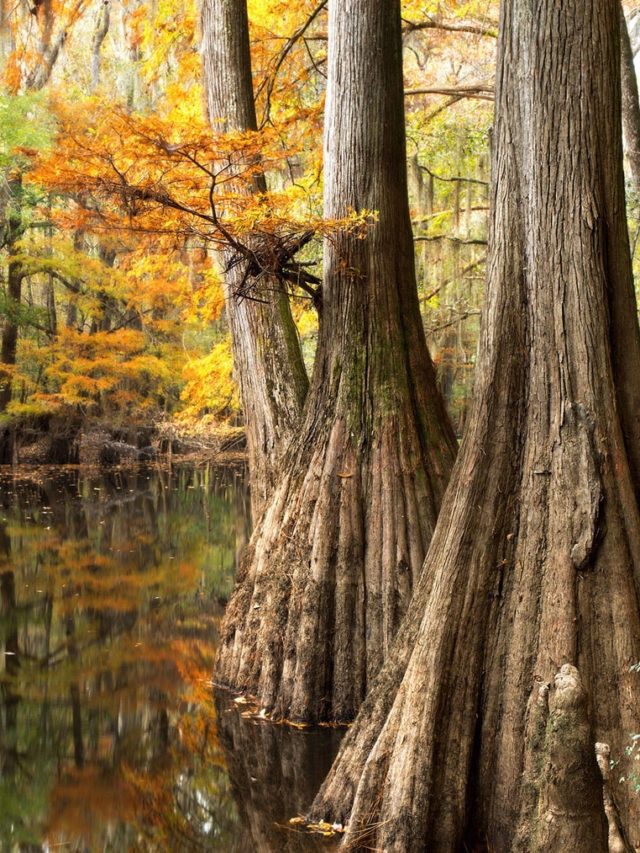
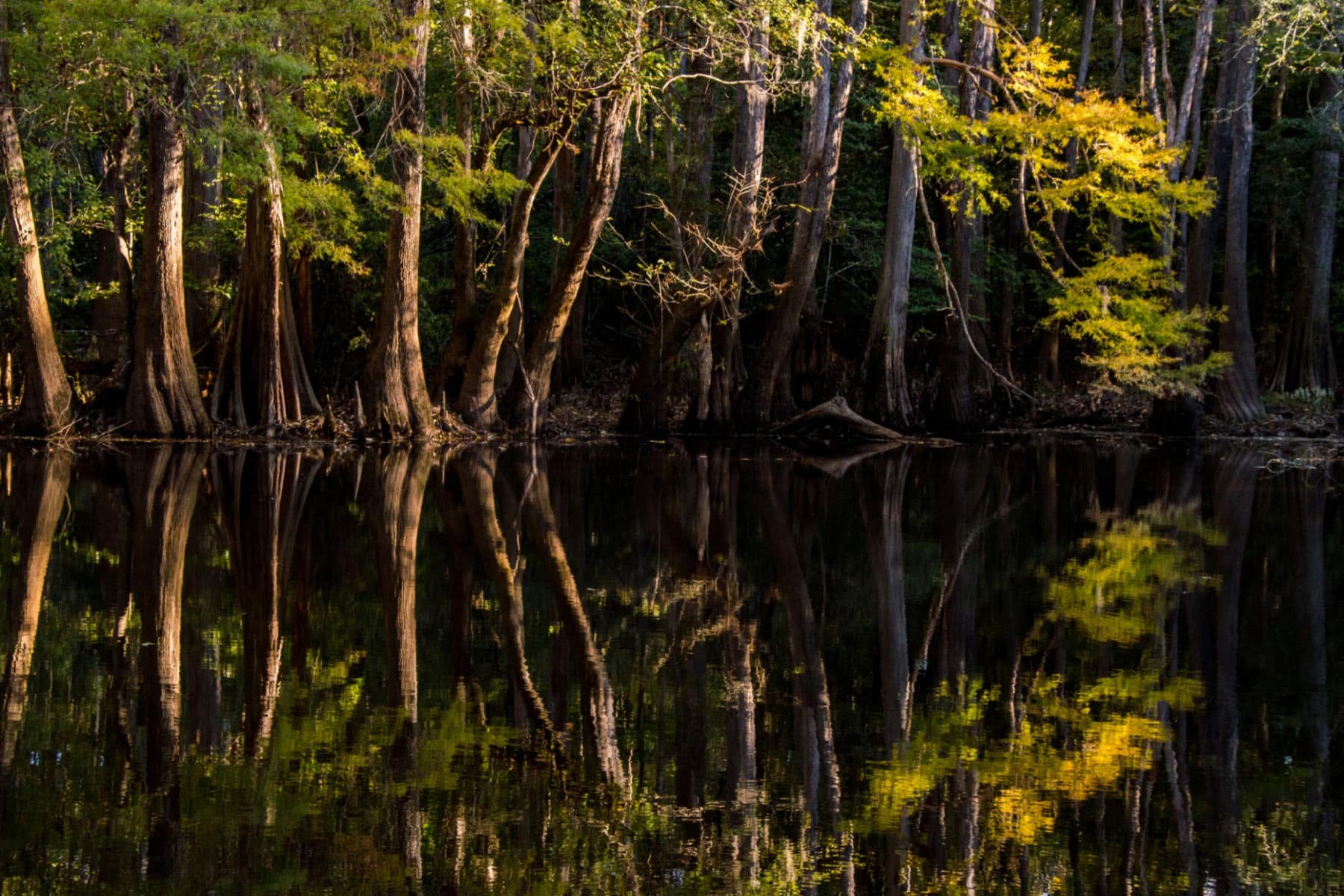
Congaree preserves the largest area of old-growth bottomland hardwood forest left in the United States, more than 11,000 acres of it. This is also home to some of the tallest trees in the eastern country, including a loblolly pine measured at roughly 167 feet and cypress trees well over 500 years old.
One point worth clearing up: despite its former name, the park is a floodplain, not a swamp. A floodplain is low ground near a river that is covered by water only part of the year. A swamp stays wet year-round. Congress dropped the misleading “swamp” from the name when the park was established in 2003.

8. Congaree Is An International Biosphere Reserve
In 1983, UNESCO recognized Congaree as part of an International Biosphere Reserve within the South Atlantic Coastal Plain. Biosphere reserves are sites where scientists test ways to balance the conservation of biodiversity with the needs of the people who live around them.
The designation places this small South Carolina floodplain within a worldwide network of living laboratories, recognized for the rare, intact ecosystem it protects.

9. More Than 170 Bird Species Have Been Recorded Here
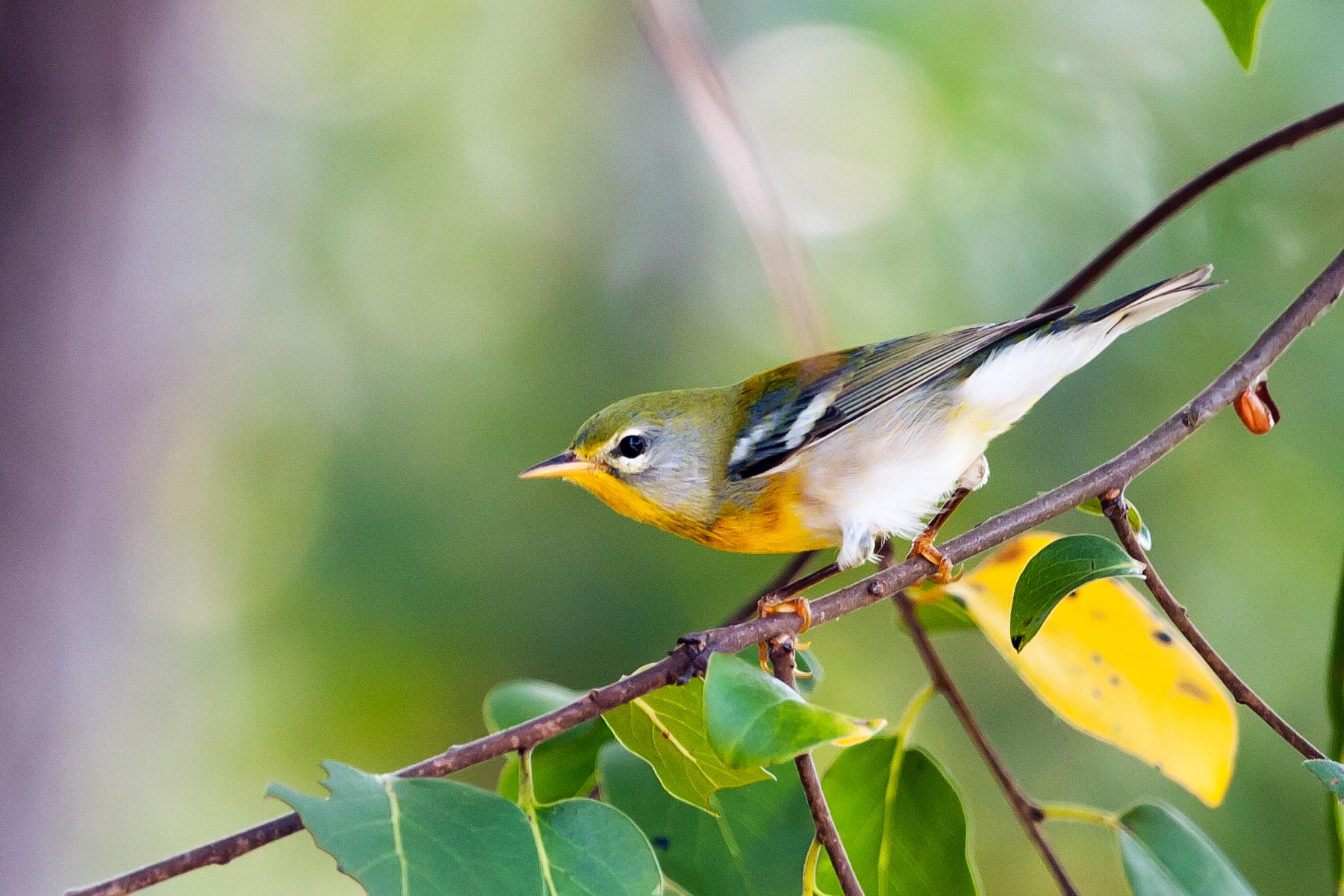
More than 170 species of birds have been recorded in Congaree National Park. The mix changes with the seasons and includes wading birds, songbirds, woodpeckers, and raptors.
Among the birds you might see across the year are barred owls, wild turkeys, wood ducks, great blue herons, red-shouldered hawks, a range of warblers, and the swallow-tailed kite, one of the most striking birds in the Southeast.
10. The Park Holds A Wide Range Of Wildlife
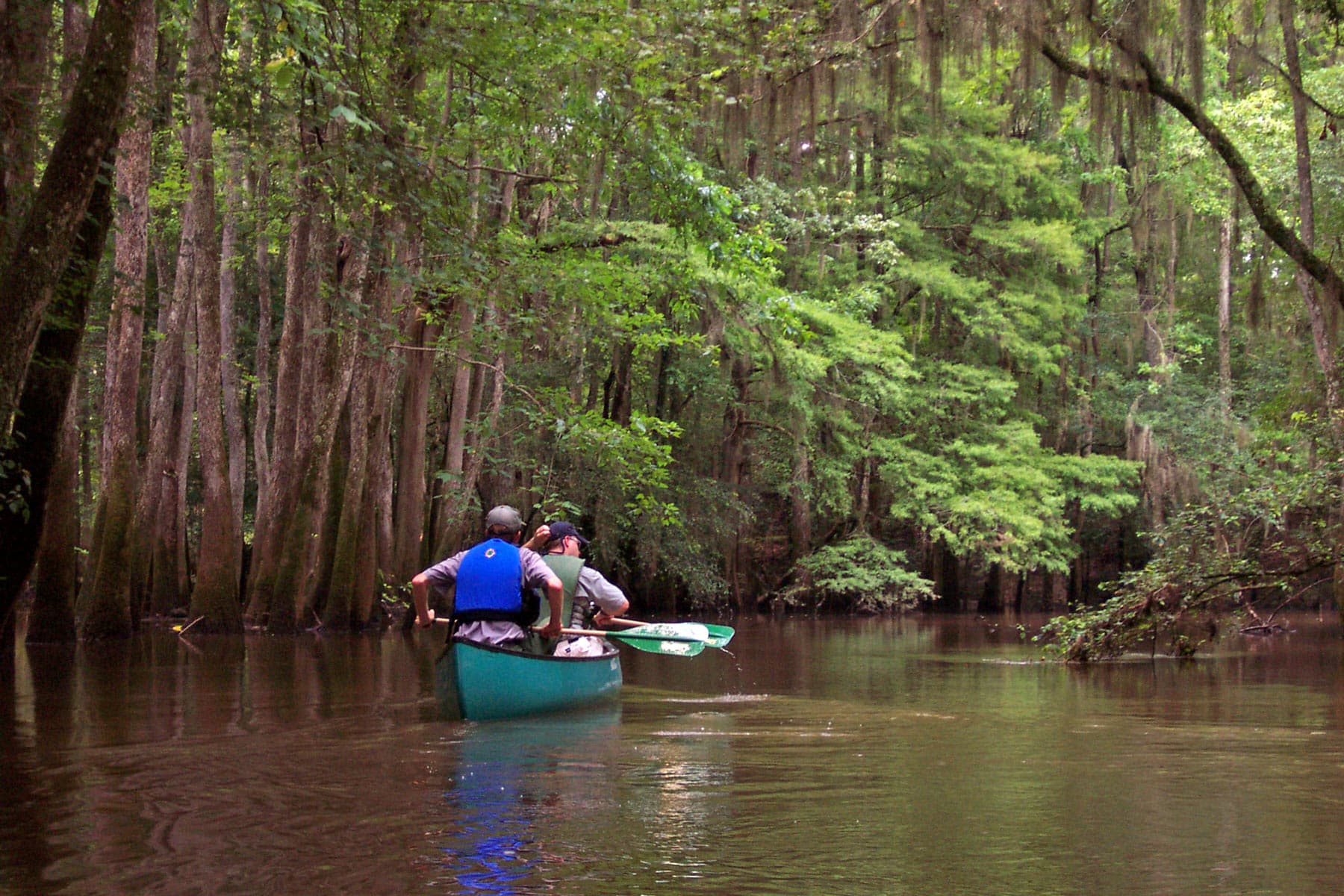
Beyond its birds, Congaree supports a broad range of wildlife. Larger animals seen in the park include bobcats, white-tailed deer, coyotes, armadillos, river otters, and wild turkeys, along with feral pigs that have made themselves at home in the floodplain.
The waters hold amphibians, turtles, snakes, and many kinds of fish, including bowfin, alligator gar, and catfish. Paddle the creeks quietly and you stand a good chance of seeing far more than you expect.
10 Congaree National Park Facts At A Glance
- People have lived here for at least 10,000 years
- The park is named for the Congaree people
- Hernando de Soto’s expedition reached the area in 1540
- Rich soil drew planters to the Congaree
- The forest was a refuge from slavery
- Loggers cut many of the largest trees in the Congaree
- It holds the largest old-growth bottomland hardwood forest in the country
- Congaree is an International Biosphere Reserve
- More than 170 bird species have been recorded here
- The park holds a wide range of wildlife

Related Links
- Congaree National Park hub
- Things To Do At Congaree National Park
- South Carolina National Parks To Visit
- All 63 National Parks Ranked By Experts
- More Than Just Parks Films
What to Bring to Congaree
Gear we recommend for Congaree. Affiliate links support our work at no cost to you.
More Than Just Parks may earn a small commission from purchases made through these links, at no extra cost to you. We only recommend gear we would actually use.
Affiliate disclosure: Some links on this page earn us a small commission at no extra cost to you. We only recommend gear we actually use.