

America’s national parks are some of the best places on the continent to watch wild animals on their own terms. Below are 10 parks we rank highest for wildlife, ordered roughly by the variety and reliability of the viewing. For each one we tell you not just what lives there but exactly where to go to see it, drawn from years of filming these places ourselves.
A quick word on etiquette before you go. Keep your distance, stay at least 25 yards from most animals and 100 yards from bears and wolves, never feed wildlife, and carry binoculars or a long lens so you can watch without crowding. The best sightings come to people who are patient and quiet at dawn and dusk.
1. Yellowstone National Park
We start with the original. Established under President Ulysses S. Grant on March 1, 1872, Yellowstone holds the largest concentration of mammals in the Lower 48 and counts nearly 70 wildlife species. Commonly seen residents include bison, elk, pronghorn, mule deer, bighorn sheep, black bears, grizzly bears, gray wolves, coyotes, and bald eagles.

The single best place to watch wildlife in Yellowstone is Lamar Valley in the northeast, often called the Serengeti of North America. Its open grasslands along the Northeast Entrance Road draw bison, elk, bears, and the park’s famous wolf packs, especially at first and last light. For bighorn sheep, try Mount Washburn or the cliffs near Gardiner. Hayden Valley is another reliable spot for bison and grizzlies.
109 public lands destinations are under threat. Get the free weekly briefing that 26,000+ people use to stay informed and take action.

2. Grand Teton National Park
Grand Teton National Park, established in 1929 and expanded in 1950, sits in the heart of the Greater Yellowstone Ecosystem, one of the largest intact temperate ecosystems on Earth. Bears, beavers, elk, moose, sandhill cranes, and wolves all share the valley beneath the peaks.

Our favorite drive is the Moose-Wilson Road, a narrow, winding route through aspen, pine, and riparian habitat where black bears, grizzlies, elk, mule deer, and moose all turn up. (Note that this road has seasonal closures and is sometimes restricted to protect wildlife, so check current status.) Antelope Flats is good for coyotes, foxes, and raptors hunting the gophers and voles in the sage.

Bird watchers should head to Oxbow Bend on the Snake River, where bald eagles, ospreys, pelicans, and trumpeter swans gather and beavers, muskrats, and river otters work the water. It is one of the finest sunrise and sunset spots in the park.
3. Lake Clark National Park
Lake Clark National Park in Alaska rarely makes generic top-ten lists, but for wildlife it earns its place. Roughly 37 terrestrial mammal species live in the region, including black bears, brown bears, caribou, Dall’s sheep, moose, and wolves.

The park is best known for its coastal brown bear viewing. The prime spots are Chinitna Bay, Crescent Lake, and Silver Salmon Creek, where bears feed on sedges and salmon within sight of guided visitors. Most people reach these areas by small bush plane, often on a day trip with a permitted operator.
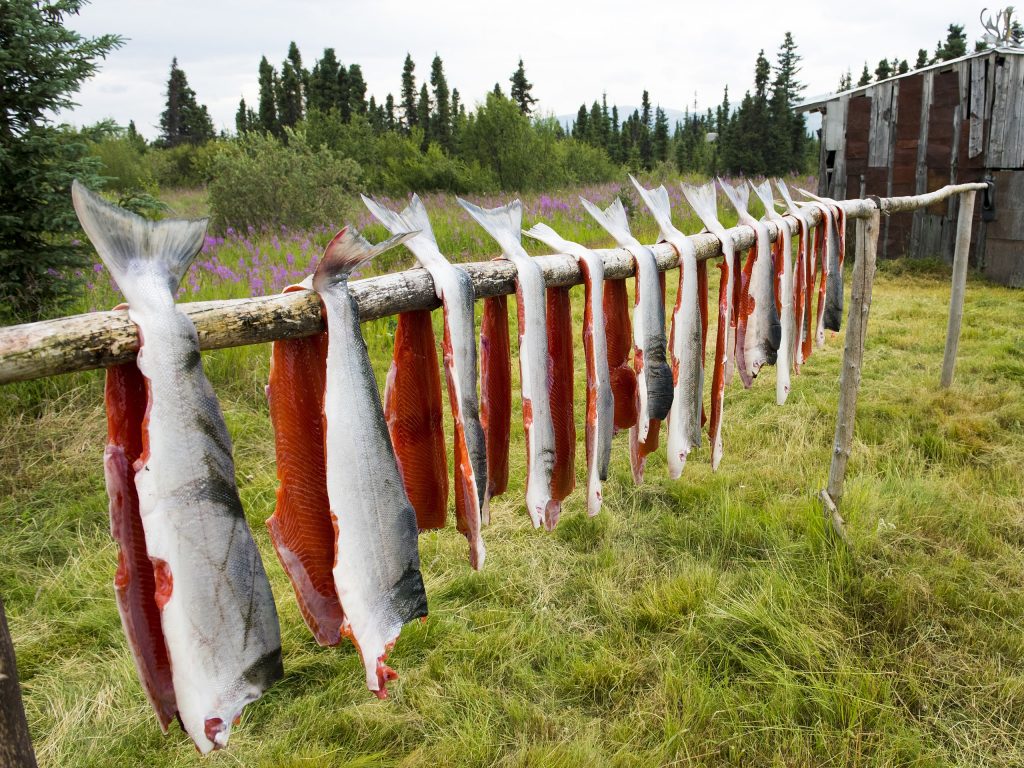
Anglers will find pristine waters here too. Arctic grayling and rainbow trout are among the roughly 25 fish species, and Crescent Lake is the park’s most popular fishing destination. For birders, the foothills and lakes west of the Chigmit Range hold boreal chickadees and Canada jays among many others.
4. Rocky Mountain National Park
Signed into existence by President Woodrow Wilson on January 26, 1915, Rocky Mountain National Park rewards wildlife watchers with a large elk herd, hundreds of bighorn sheep, abundant mule deer, and a small moose population. Where you go depends on what you want to see.

For elk, watch the meadows at dawn and dusk; in autumn the rut brings them down to areas like Moraine Park and Horseshoe Park, where bugling bulls put on a show. For bighorn sheep, head to Sheep Lakes in Horseshoe Park, especially late spring through summer when sheep descend to the mineral licks.
For moose, drive the Kawuneeche Valley along the Colorado River on the park’s quieter west side. Mule deer turn up almost anywhere at lower elevations. And for marmots and pikas, walk the alpine tundra along Trail Ridge Road, the highest continuous paved road in any national park.

One planning note for 2026: Rocky Mountain uses a timed-entry permit system in the busy season, including a separate permit for the Bear Lake Road corridor. Reserve ahead at Recreation.gov and plan early-morning arrivals.
5. Great Smoky Mountains National Park
Straddling the North Carolina and Tennessee line, Great Smoky Mountains National Park draws more than 12 million visitors a year, far and away the most-visited national park. It is also one of the richest wildlife refuges in the East.

The park is famous for its black bears, with an estimated population of around 1,900. It is also one of the few places east of the Mississippi to see reintroduced elk, best viewed in the Cataloochee Valley at dawn and dusk, particularly during the fall rut. For bears and white-tailed deer, the 11-mile Cades Cove loop road is the classic route, again early morning or late evening in spring and summer.
As the National Park Service notes, the park protects some 65 mammal species, more than 200 kinds of birds, 67 native fish species, and more than 80 types of reptiles and amphibians. It is also known as the salamander capital of the world, with roughly 30 species across five families, a level of diversity found almost nowhere else.
6. Denali National Park
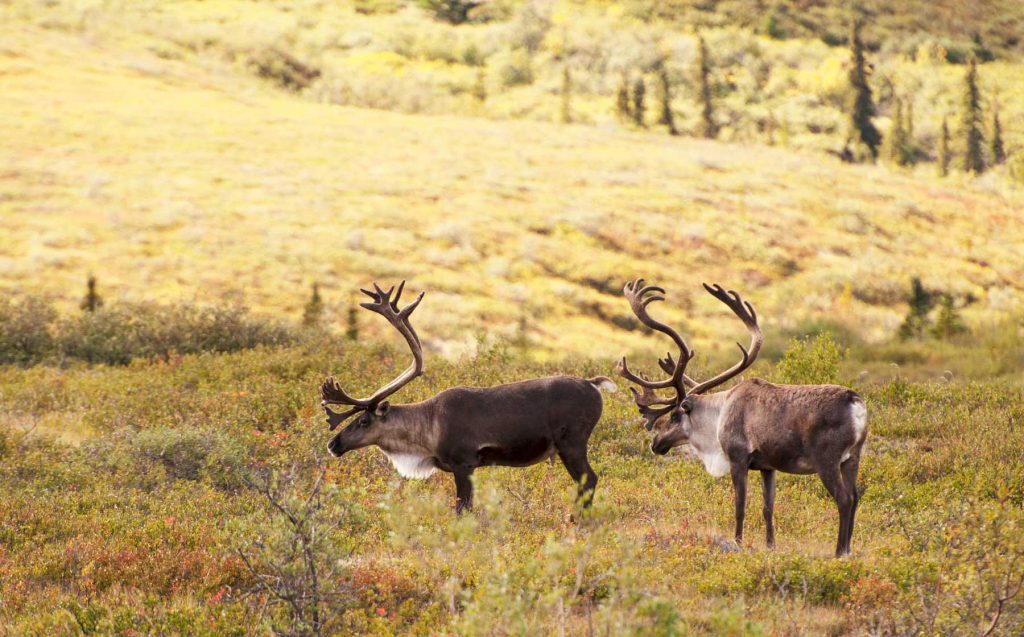
One of the last great wild landscapes on the continent, Denali National Park protects roughly six million acres in interior Alaska. Visitors regularly see the so-called Big Five: grizzly bears, moose, caribou, Dall’s sheep, and wolves. Also present are black bears, coyotes, lynx, marmots, porcupines, red foxes, and wolverines.

Wildlife viewing here centers on the single 92-mile Denali Park Road. Most visitors ride the park’s shuttle and transit buses, scanning the open tundra for animals as they go. Note that a major landslide at Pretty Rocks has restricted vehicle access to roughly the first 43 miles in recent years, so check the current road status before you plan. Birders will find migrants from several continents, including arctic warblers, golden eagles, northern hawk owls, and peregrine falcons.
7. Glacier National Park
George Bird Grinnell, an early conservationist, called Glacier National Park the Crown of the Continent after his first visit in 1885. A glacier, a lake, and a mountain in the park all carry his name today.

On Montana’s northern border, Glacier holds one of the healthiest grizzly populations in the Lower 48 and is home to both grizzly and black bears. In spring and summer, grizzlies feed in valleys, meadows, and avalanche chutes. The trail along the Garden Wall on the Highline is a reliable place to spot them from a safe distance, and bear spray is essential here.
No words can describe the grandeur and majesty of these mountains, and even photographs seem hopelessly to dwarf and belittle the most impressive peaks.
– George Bird Grinnell, Century Magazine (1901)
Glacier also shelters mountain goats, bighorn sheep, moose, mountain lions, lynx, white-tailed deer, and both bald and golden eagles, along with smaller animals like beavers, otters, and porcupines. Logan Pass is one of the best spots for mountain goats and bighorn sheep, often visible right from the boardwalks. For 2026, remember that Glacier requires vehicle reservations for the Going-to-the-Sun Road and several other corridors during peak season, and the alpine section of that road opens only after the snow is cleared, usually in late June or early July.
8. Katmai National Park
For a second Alaskan park to make the list, the wildlife has to be exceptional, and at Katmai National Park it is. This is the home of the brown bears made famous by the park’s Fat Bear Week, where bears fish for salmon leaping up the falls.

The classic destination is Brooks Falls, where elevated viewing platforms let you watch dozens of brown bears safely during the July and September salmon runs. Bears here genuinely outnumber people, so follow all ranger guidance. Katmai is also one of the better bird-watching spots in North America.

9. Badlands National Park
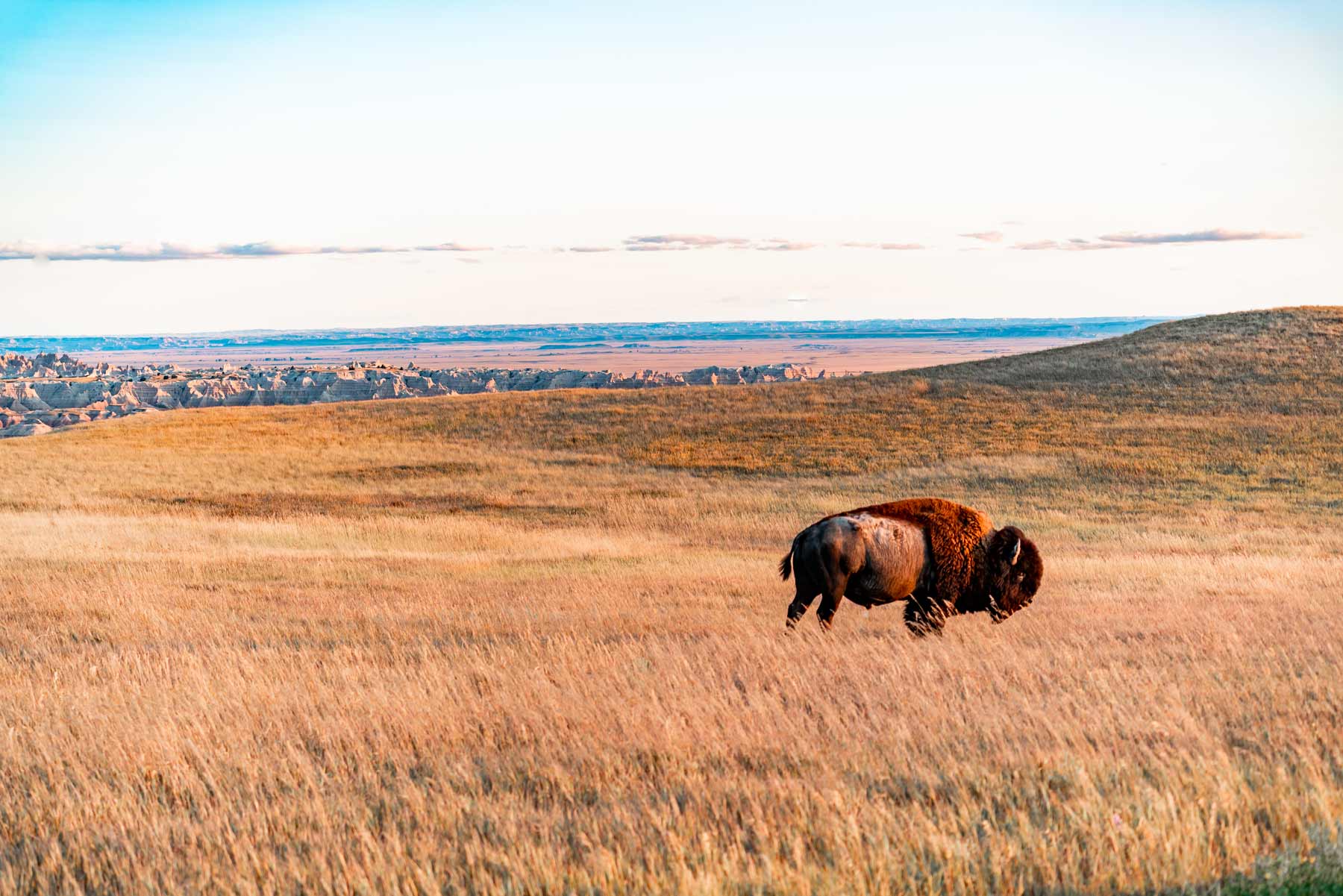
Badlands National Park in South Dakota protects a sweep of mixed-grass prairie where bison, bighorn sheep, pronghorn, black-footed ferrets, and prairie dogs roam. Raptors such as golden eagles, northern harriers, and short-eared owls work the skies above.
For bison, drive the unpaved Sage Creek Rim Road, where herds graze the open prairie. The Pinnacles Overlook area is good for bighorn sheep picking their way across the rock. The black-footed ferret, one of North America’s rarest mammals, was reintroduced here and is occasionally seen at night near prairie dog towns.

Prairie dogs are a highlight in their own right, easily watched from the road at Roberts Prairie Dog Town and near the Sage Creek Campground. Keep an eye out for coyotes and deer working the edges of the colonies.
10. Olympic National Park
First protected as Mount Olympus National Monument by President Theodore Roosevelt in 1909 and made a national park by Franklin Roosevelt in 1938, Olympic National Park is one of the most ecologically diverse parks in the country, spanning glaciated peaks, temperate rainforest, and wild coastline.

Olympic is internationally recognized as a Biosphere Reserve and World Heritage Site. Its old-growth forests of Sitka spruce, western red cedar, and hemlock are a habitat all their own.

The park protects the largest population of Roosevelt elk in the Pacific Northwest, most often seen in the lower valleys and rainforests like the Hoh at dawn and dusk. Marmots favor the high country, with good sightings along the alpine trails near Hurricane Ridge in summer. For aquatic wildlife, the Salmon Cascades Overlook in the Sol Duc Valley is a fine place to watch salmon migrate in fall, and the coastline offers gray whales, harbor seals, sea lions, and sea otters.
That rounds out our 10 best national parks for wildlife watching. Wherever you go, go early, stay patient, keep your distance, and let the animals set the terms. If you would rather savor the wildlife from home for now, you can watch our films on the national parks.
The 10 Best National Parks For Wildlife, At A Glance
- Yellowstone National Park
- Grand Teton National Park
- Lake Clark National Park
- Rocky Mountain National Park
- Great Smoky Mountains National Park
- Denali National Park
- Glacier National Park
- Katmai National Park
- Badlands National Park
- Olympic National Park


