

Vermont has one place-based National Park Service unit, Marsh-Billings-Rockefeller National Historical Park, plus two national scenic trails that cross the state. The state has no full national park, but the one historical park it has is more important than its quiet reputation suggests, because it is the birthplace of the American conservation idea.
I taught American history for 25 years before I started visiting public lands destinations. Vermont’s single park is a story I always loved to teach. This is the land where George Perkins Marsh grew up watching the hills get logged bare, then wrote the book that warned the country it was destroying the ground it stood on. The idea that humans could ruin or restore a landscape, the idea behind every national park that followed, took root right here.
A note on the count, because Vermont lists tend to overstate it. The NPS state page shows a figure of two, but only one of those is a standalone place-based unit. The second is the Appalachian Trail being counted. To be straight with you, Vermont has one park you visit with a gate and a visitor center, plus two trail corridors, the Appalachian and the North Country, that pass through. I have written it that way.
Vermont National Park Sites Compared
| Site | Designation | The Draw | 2026 Fee |
|---|---|---|---|
| Marsh-Billings-Rockefeller | National Historical Park | The birthplace of American conservation, a mansion and managed forest | Free grounds, mansion tour about $8 |
| Appalachian Trail | National Scenic Trail (passes through) | The famous trail’s run through the Green Mountains | Free |
| North Country Trail | National Scenic Trail (passes through) | The eastern terminus of an 8-state route | Free |
On fees, Vermont is nearly free. The grounds and forest at Marsh-Billings-Rockefeller cost nothing to walk, and only the guided mansion tour carries a modest fee of around $8 in season. The trails are free. There is no need for the annual pass to tour Vermont itself.
117 public lands destinations are under threat. Get the free briefing that 27,000+ people use to stay informed and take action.
1. Marsh-Billings-Rockefeller National Historical Park

The one unit in the state, and a place every conservationist should make a pilgrimage to. In the village of Woodstock, this park preserves the home and forest that gave rise to the American idea of land stewardship.
The story runs through three families. George Perkins Marsh grew up here in the early 1800s, watched Vermont’s hills stripped by logging and overgrazing, and in 1864 published “Man and Nature,” the book that first argued humans were wrecking their own environment. Frederick Billings later bought the property and put Marsh’s ideas into practice, replanting the bare slopes of Mount Tom with one of the oldest managed forests in the country. The Rockefeller family inherited it and eventually gave it to the nation in 1992.
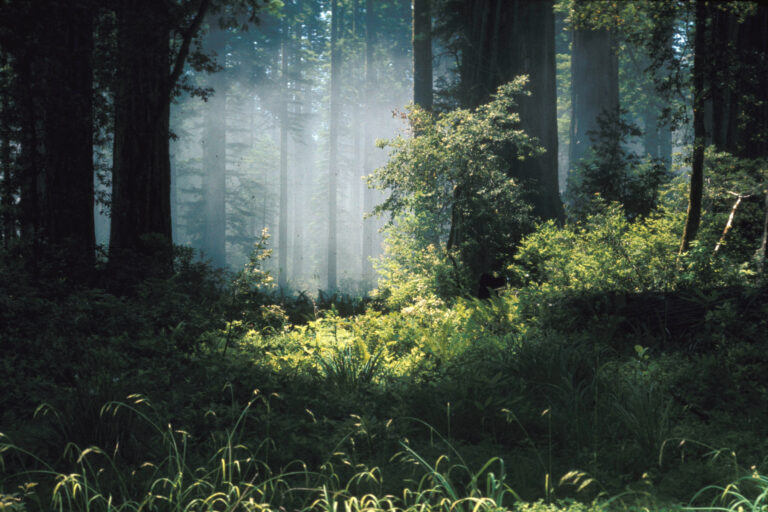
Today you can tour the elegant mansion and its collection of landscape paintings, then walk the carriage roads up through that 150-year-old replanted forest, a living demonstration that a ruined landscape can be brought back. The grounds are free, the mansion tour runs around $8, and the whole visit pairs with the famously pretty town of Woodstock. Give it a half day.
2. Appalachian National Scenic Trail

The famous trail runs right through the Green Mountains. The Appalachian National Scenic Trail, 2,190 miles from Georgia to Maine, crosses Vermont for about 150 miles, much of it sharing tread with the older Long Trail.
The Vermont section is classic New England hiking, climbing over forested peaks like Killington and through the spruce and birch woods locals call the green tunnel in summer. You do not need to thru-hike to enjoy it. Day hikes off Route 4 near Killington or up to a ridgeline shelter get you the experience in a few hours. The trail is an NPS-administered unit, free to walk, and it crosses near Woodstock, so it pairs easily with a visit to the historical park.
3. North Country National Scenic Trail

The eastern end of the longest trail in the country. The North Country National Scenic Trail runs more than 4,800 miles across eight states from North Dakota to Vermont, making it the longest of all the national scenic trails, and its eastern terminus sits in the Green Mountains.
In Vermont it joins the Appalachian and Long Trail corridor before reaching its end, so the two famous routes overlap here. Few people hike the North Country in full, but for trail completists, the Vermont section marks a milestone. It is free, and most visitors experience it as part of the shared Green Mountain trail network rather than as a separate destination.
What Else Is Not NPS in Vermont

Vermont packs a lot of public land into a small state, but most of it is not run by the Park Service. The Green Mountain National Forest, which covers a big share of the state’s spine, is a Forest Service unit. The Long Trail, the country’s oldest long-distance hiking path, is managed by the Green Mountain Club, not the NPS, though it overlaps the Appalachian Trail in the south. The Champlain Valley National Heritage Partnership, shared with New York, is an affiliated area rather than a full unit. And Vermont’s many state parks, like Mount Philo and Smugglers Notch, are run by the state. All worth visiting, none of them NPS units.
How to Plan a Vermont National Parks Trip
Vermont’s NPS footprint is small and centered, which makes it easy. Base in or near Woodstock and you have the Marsh-Billings-Rockefeller park, the trails of Mount Tom, and the Appalachian Trail crossings nearby, all in one of the prettiest corners of New England. Give the park a half day, then spend the rest hiking the carriage roads or exploring the village. There is no need to crisscross the state, since the one unit anchors everything.
Fall is the season here, when the Vermont hillsides turn and Woodstock fills with leaf-peepers, though that also means crowds and high lodging prices. Late September into mid-October is the peak. Summer is green and pleasant, and the mansion tours run seasonally. If you are building a wider New England trip, Vermont pairs naturally with the parks of New Hampshire next door and Maine to the east. For the bigger picture, our guide to the best national parks sets the context.
The bottom line
Vermont has just one NPS park, but it is one of the most quietly important in the country, the place where the American idea of conservation was first written down and then put into practice on the hillside above town. Add the Appalachian Trail crossings and a fall weekend in Woodstock, and Vermont punches well above its single unit.
Frequently Asked Questions
Not a full national park. Vermont has one place-based National Park Service unit, Marsh-Billings-Rockefeller National Historical Park, plus two national scenic trails that cross the state.
Marsh-Billings-Rockefeller National Historical Park, the birthplace of American conservation, plus the Appalachian and the North Country national scenic trails, which pass through.
The grounds and forest at Marsh-Billings-Rockefeller cost nothing to walk, and only the guided mansion tour carries a modest fee of around $8 in season. The trails are free.