

Why Fishlake National Forest Is Worth the Drive
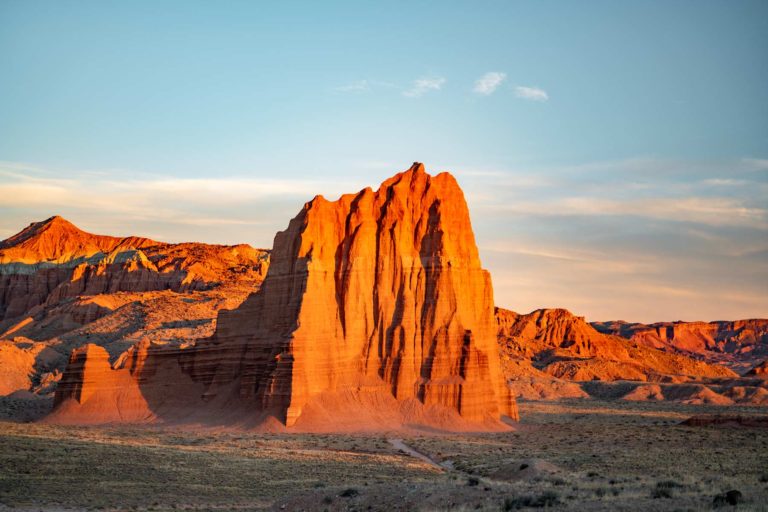
Utah gets famous for its red rock. Arches, Bryce, Zion, Canyonlands, Capitol Reef. What most people never hear about is the high green country sitting above all that sandstone. Fishlake National Forest covers roughly 1.5 million acres across central Utah, and it is a different planet from the desert parks an hour or two away. Cold lakes, mountain meadows, and the largest stands of quaking aspen you will ever drive through.
One thing to be clear about up front. This is a national forest, managed by the U.S. Forest Service, not a national park run by the Park Service. That distinction matters for how you visit it, what it costs, and what you are allowed to do here. We get into that below. If you want the full breakdown, we wrote a whole piece on national forest versus national park.
My favorite part of Fishlake is how empty it feels. While the marquee parks fight crowds and timed-entry lines, you can pull off at a forest lake here and have the shoreline to yourself. With support from Visit Utah, we set out to film this place, and it kept surprising us.

Pando: The Forest’s Most Remarkable Resident

If you visit one thing in this forest, make it Pando. On the southwestern shore of Fish Lake sits a single quaking aspen organism, a clone of roughly 47,000 genetically identical stems all connected by one root system. Scientists estimate it weighs around 6,000 tons, which makes it one of the heaviest known living organisms on Earth. The trees look like a forest. They are one tree.
117 public lands destinations are under threat. Get the free briefing that 27,000+ people use to stay informed and take action.
You can walk into Pando from pullouts along Utah State Route 25 near the lake. The grove is in trouble, struggling to regenerate because deer and cattle eat the young shoots, and the Forest Service has fenced sections to give it a chance. Walk gently and stay on established paths. You are standing inside a living thing older than human agriculture.
Getting There
Fishlake National Forest spreads across several mountain ranges in central Utah, so there is no single entrance. The heart of it, Fish Lake itself, sits about 2.5 hours south of Salt Lake City and roughly 3.5 hours north of Las Vegas. From Interstate 70, take exit 23 at Sigurd and follow Utah State Route 24 and then Route 25 up to the lake. The drive up SR-25 is the scenic payoff, climbing through aspen into open mountain country.
The forest is split into ranger districts, including the Fillmore, Richfield, Beaver, and Fremont River districts. Cell service is thin to nonexistent once you leave the highways, so download offline maps before you go. A standard vehicle handles the paved routes to Fish Lake fine, but many forest roads turn rough and a high-clearance vehicle pays off if you want to get deep.
Best Time to Visit
Summer, roughly June through September, is prime time. The high country sits between about 7,000 and 11,000 feet, so even in July it stays comfortable while the desert below bakes. Late September brings the aspen turn, when whole hillsides go gold and the photography gets ridiculous. That is the window I would pick.
Winter shuts down the upper roads with snow, but it opens the forest to snowmobiling and cross-country skiing for anyone willing to gear up. Spring is mud season and unpredictable. If you want lakes, wildflowers, and open roads, aim for July through early October.
Top Things to Do in Fishlake National Forest

1. Fish at Fish Lake
The name is not subtle. Fish Lake is Utah’s largest natural mountain lake, about six miles long, and it is one of the best lake fisheries in the state. Lake trout, splake, rainbow trout, and yellow perch all live here, and the lake trout can run genuinely large. You can rent a boat at one of the historic lakeside lodges or fish from shore. A Utah fishing license is required.
2. Walk Through Pando
Covered above, but it bears repeating. The Pando clone is the single most unusual thing you can experience here, and it is free and easy to reach. Give it an hour, walk quietly, and let the scale of it land.
3. Drive the Fish Lake Scenic Byway
Utah State Route 25, the Fish Lake Scenic Byway, climbs from the desert floor into aspen and meadow on its way to the lake. It is a short, paved, jaw-loosening drive, especially during the fall color window. Plenty of pullouts let you stop for photos and short walks.
4. Hike the High Country
Trails lace the forest, from easy lakeshore strolls to climbs toward the high peaks. The Fish Lake area has accessible paths good for families, while the Tushar Mountains farther west hold Utah’s third-highest range and serious alpine terrain around Delano Peak. Bring layers. Weather at elevation turns fast.
5. Camp Under Real Darkness
Several developed Forest Service campgrounds ring Fish Lake, including Doctor Creek, Mackinaw, and Bowery Creek, and they fill up on summer weekends, so reserve ahead on Recreation.gov where available. Dispersed camping is allowed across much of the forest if you want to get away from it all. The night sky up here, far from any city, is the kind most Americans never see anymore.
Fees and Permits
Here is where the national forest difference shows up. Fishlake has no entrance fee. You do not pay to drive in the way you would at a national park. What you do pay for are specific services and sites: developed campground fees, day-use fees at certain recreation areas, and boat rentals. A Utah fishing license is required to fish, and you can buy one online through the state wildlife agency.
Because this is Forest Service land, the rules also differ from a national park. Hunting is allowed in season with proper licenses, dogs have far more freedom than in most parks, and dispersed camping is broadly permitted. With that freedom comes responsibility, which is the whole point of the next section.
Where to Stay
For a roof, the historic lakeside lodges at Fish Lake offer cabins and the classic mountain-lodge experience, and they book out fast in summer, so reserve early. Beyond the lake, the towns of Richfield and Salina down on the highway have standard hotels and make a practical base if the campgrounds are full. For the real experience, though, camp. Fishlake is a place to sleep outside.
Visit It With Respect
Forests this quiet stay that way only if visitors treat them right. Pack out everything you bring in, keep to established roads and trails, give Pando room to recover, and follow the Leave No Trace principles every time you head out. Fire restrictions are common in late summer, so check current conditions with the ranger district before you light anything.
The 2026 Reality
Fishlake remains one of the better-kept secrets in a state overrun by park crowds. As of 2026, the lakeside campgrounds and lodges still operate on a summer season, and Pando is still fenced and monitored as the Forest Service works to help it regenerate. Wildfire and drought continue to shape the West, so always check the current fire restrictions and road status for the Fishlake and Richfield ranger districts before your trip. Conditions change year to year, but the core of this place, the aspen, the lake, and the silence, is still here.
Planning more Utah? Pair this with our guide to Utah’s national parks for a trip that runs from red rock to high green forest in a single loop.