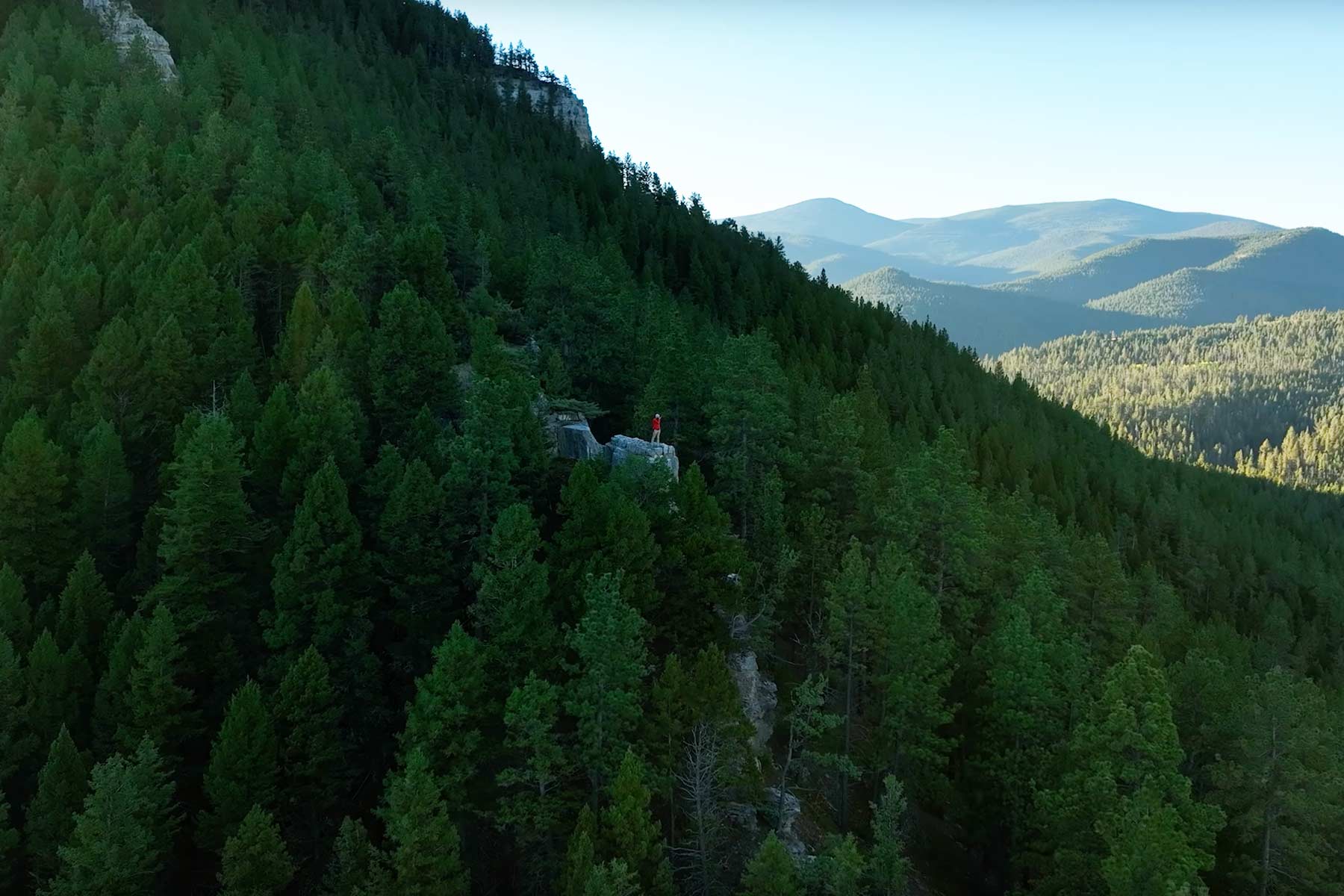
If you’re looking to explore Montana’s epic scenery but tired of the crowds then few places are better suited than the Helena-Lewis & Clark National Forest. Particularly the eastern half of the forest which features totally different topography from the dramatic mountains of the western side.
We recently teamed up with Visit Montana to create a film featuring the stunning wonders of the eastern half of the Helena-Lewis & Clark National Forest and the results are pretty spectacular as you’ll see below. The reason we split up the filming of this forest was due to it’s immense size and scale.
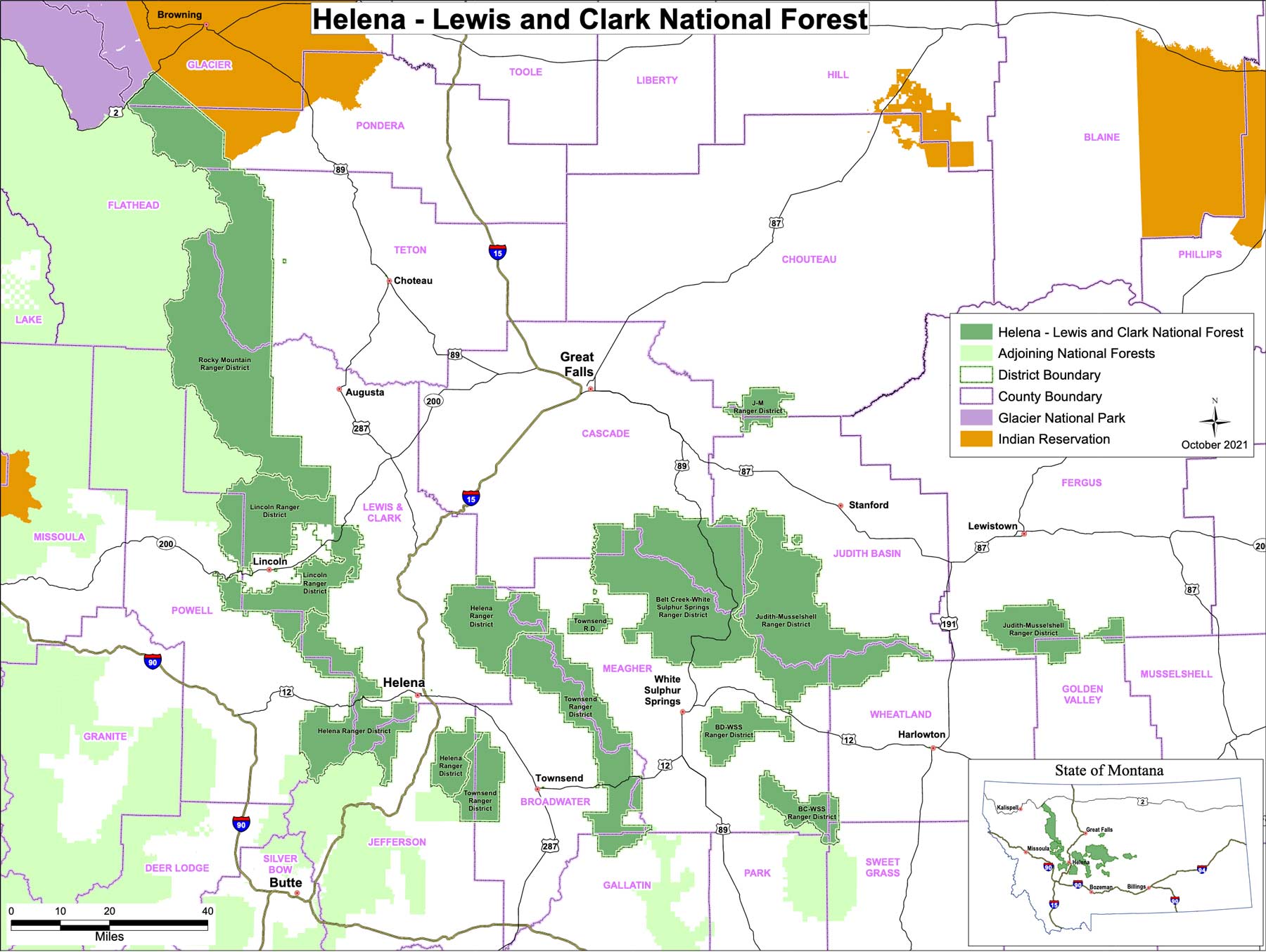
At over 1.8 million acres, the Helena-Lewis & Clark is one of America’s largest national forests. Winding creeks, massive mountains, and rugged recreational opportunities abound in this untapped gem.
In this guide we’ll go over everything you need to know for your visit to the forest. Ready to get started? Let’s go!
Note: This guide only covers the eastern half of the Helena-Lewis & Clark.

Our Time on the Forest
We spent a couple of weeks on the forest last September to capture its essence via a film and what a trip that was. Per usual, early wake ups to capture the sunrise and even later bedtimes to capture the sunset and stars.
To create this film we took more than 20,000 photos and shot nearly 3 terabytes worth of footage. It may not seem like much when condensed down into a three minute video and that’s because we are ruthless on the cutting room floor.
Their are grizzly bears on the Helena-Lewis & Clark National Forest so be sure to pack bear spray and be bear aware.
Be Bear Aware
Drive Times
The Helena-Lewis & Clark National Forest is massive. At 1.8 million acres you can imagine there are going to be some long drive times getting around. We’re talking in excess of 4 hours from one end to the other. Plan accordingly.
Respect Wildlife:
You’ll likely see a variety of wildlife. Always observe from a distance, don’t feed animals, and secure your food at campsites.
Fire Restrictions
Be aware of fire restrictions or bans, particularly in the dry summer months. Use a camp stove for cooking instead of making a fire if these are in effect.
Stay Hydrated:
Don’t forget to stay hydrated, especially during the summer. The dry climate can dehydrate you quickly with little warning.
Download Offline Maps
We use google maps and download the offline version of the area before visiting due to the lack of reliable cell service.
4WD/AWD
This forest really lends itself to 4WD & AWD vehicles. While you can see many of the popular sites without you’ll be pretty limited in a lower, two-wheel drive vehicle.
Location: Western to Central Montana
Size: 1,863,788 acres (7,542.48 km2)
Established: February 22, 1897
The Helena-Lewis & Clark has six different districts. Below you’ll find the ones in bold are the districts we focused on for the creation of our film and for the purposes of this guide.
- Helena Ranger District
- Judith-Musselshell Ranger District
- Lincoln Ranger District
- Rocky Mountain Ranger District
- Townsend Ranger District
- Belt Creek-White Sulphur Springs Ranger District
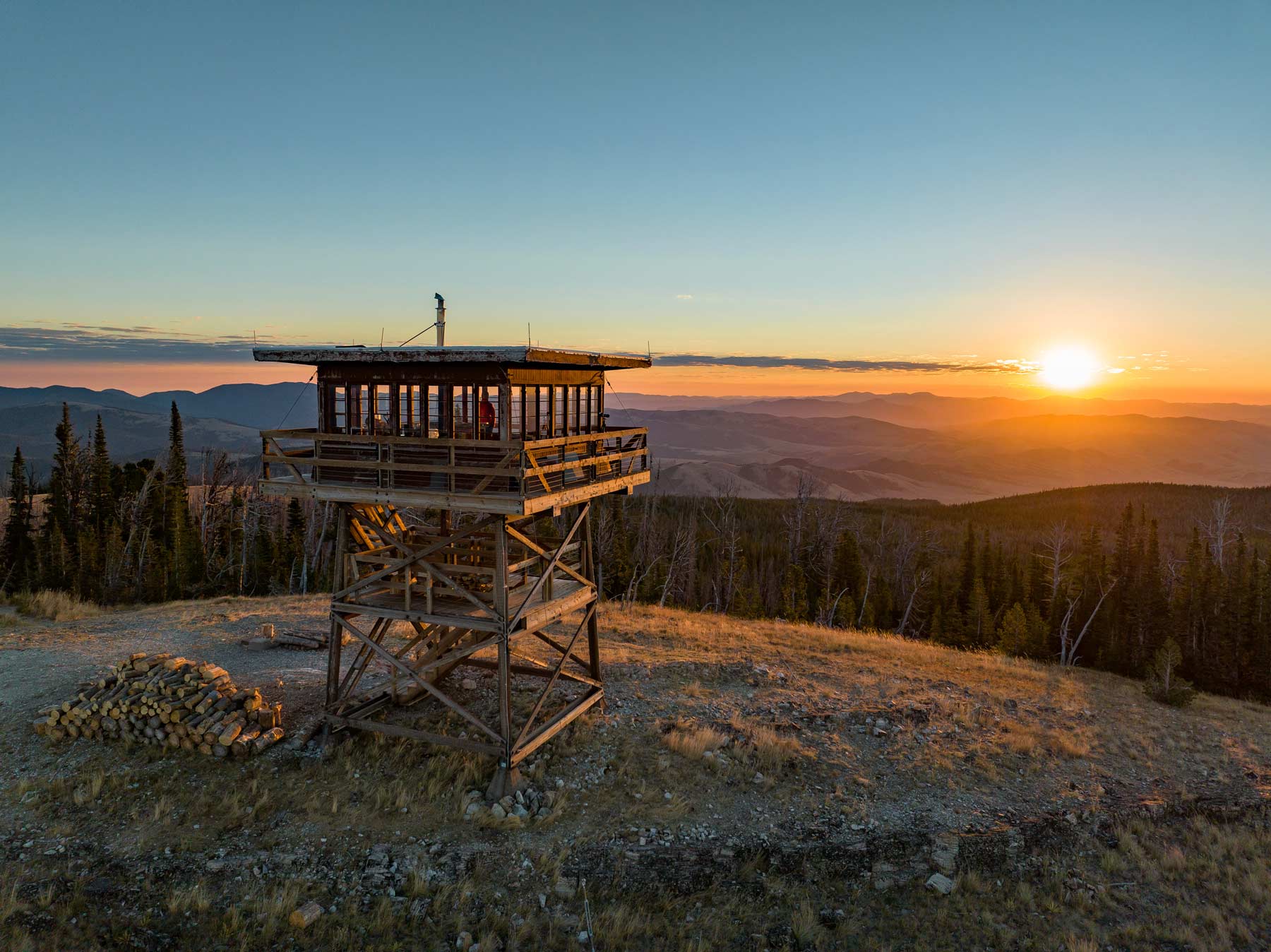
Granite Butte is a beautiful and picturesque fire tower located in the Lincoln Ranger District of the Helena-Lewis & Clark National Forest. I recommend an all-wheel vehicle but you could probably do it in a two wheel that isn’t too close to the ground.
Granite Butte Lookout Tower
You can actually rent Granite Butte Lookout for the night for a rate of just over $50 (a bit spendy but well worth it).
The tower offers incredible 360 degree panoramic views of the surrounding mountains and truly a magical place to be.
Lookout Over Logging Creek
There’s no official signs or designations for this site but we came across it during our travels and thought it offered a great view of the surrounding Logging Creek valley. The road getting here was a bit rough and I highly recommend at least an all-wheel drive vehicle.
We were here for sunrise which was nice but I think it’s more of a sunset spot as the sun rose behind us while we were there.
Horseback Riding
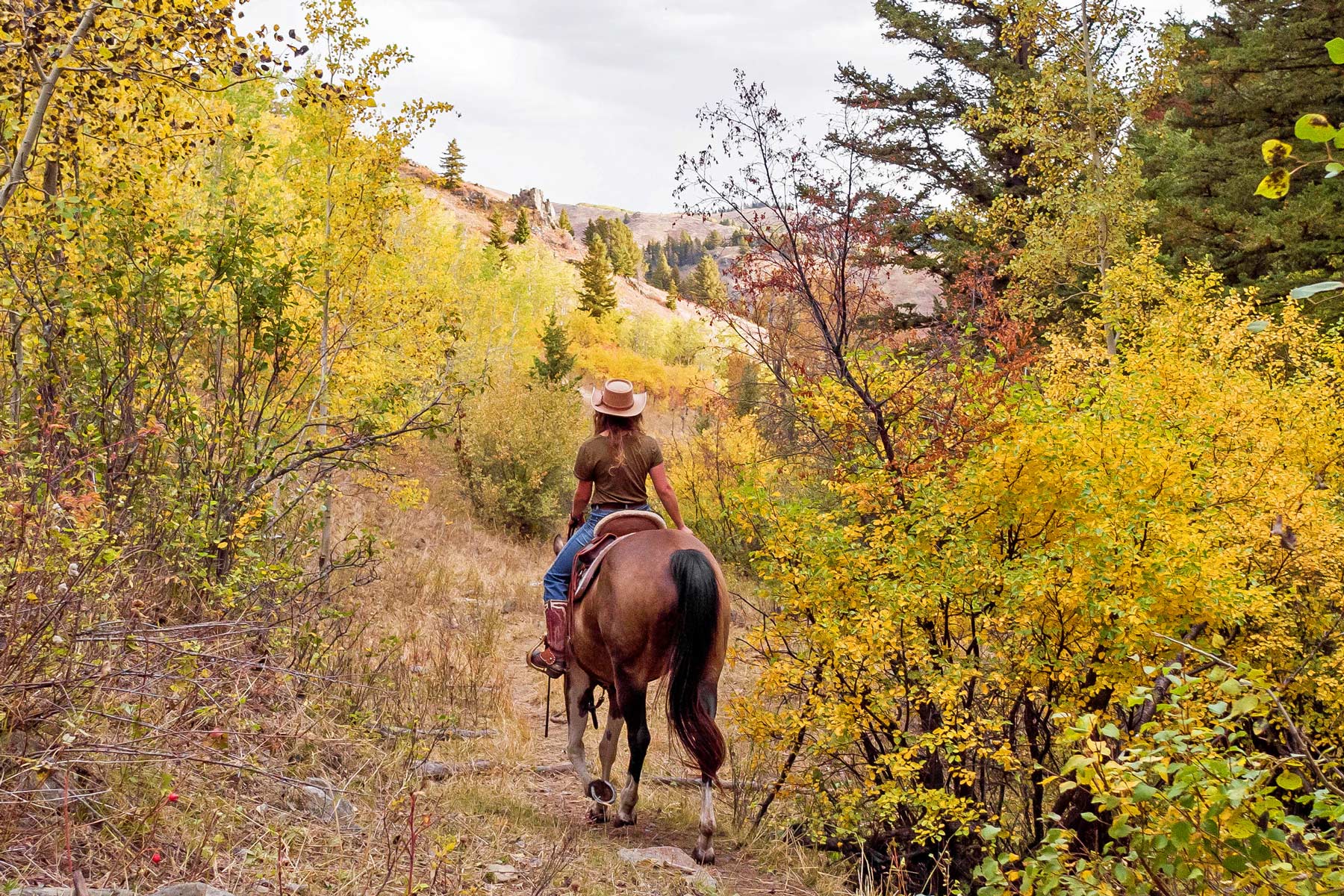
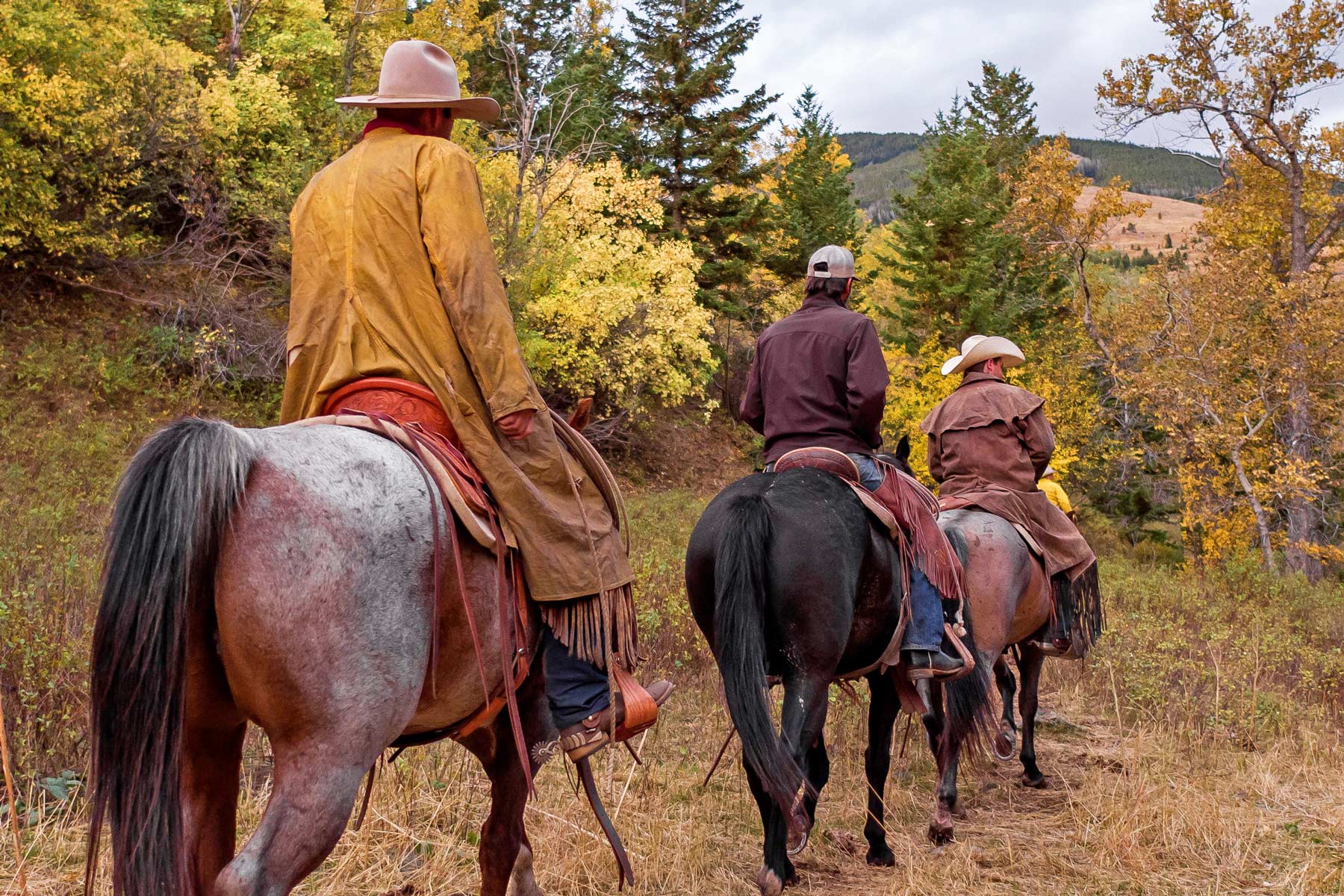
The Helena-Lewis & Clark is a true horseback riders friend. We saw lots of folks riding while we were there and ended up filming some cowboys doing a roundup in the Little Snowy Mountains.
Most of the trails on the forest are managed for stock and are very horse friendly. Be sure to check the trail itself before setting out as many are quite steep and rocky meaning not very well-suited for riding.
Experience World Class Fly Fishing
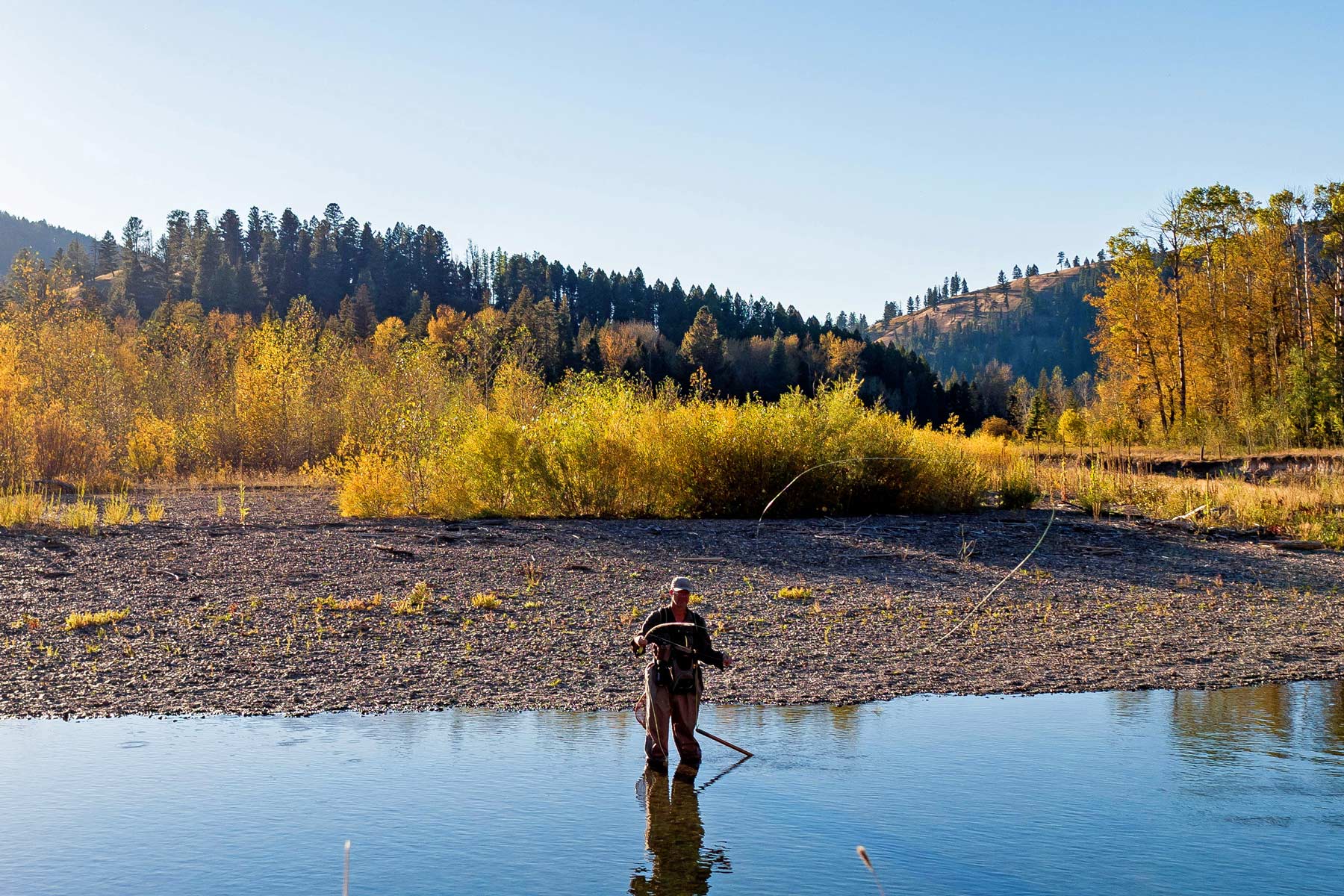
The Helena-Lewis & Clark offers some of the most incredible, idyllic fly fishing opportunities in the world. The setting is magical and the fish are bountiful. Types of fish found on the forest include:
Arctic Grayling, Brook Trout, Brown Trout, Common Carp, Flathead Chub, Flathead Minnow, Kokanee, Largemouth Bass, Longnose Dace, Longnose Sucker, Mountain Whitefish, Mottled Sculpin, Rainbow Trout, Smallmouth Buffalo, Utah Chub, Walleye, Westslope Cutthroat Trout, White Sucker, Yellow Perch.
Here are some of the top locations for stream and river fly fishing on the forest:
- Rillway Cabin
- Kading Cabin
- Moose Creek Cabin
- Eagle Guard Cabin
- Calf Creek Cabin
- Benchmark Campground
- Cave Mountain Campground
- Elko Campground
- Kenck Cabin
- South Fork Campground
- Cummings Cabin
Here are some of the top locations for lake and pond fishing:
- Bar Gulch Cabin
- Coulter Campground
- Gipsy Lake Campground
- Park Lake Campground
- Park Lake Day Use Area
- Mortimer Gulch Campground
- Wood Lake Campground
- Wood Lake Picnic Site
- Crystal Lake Cabin
- Crystal Lake Campground
- Aspen Grove Group Use Campground
Soak in the Night Sky
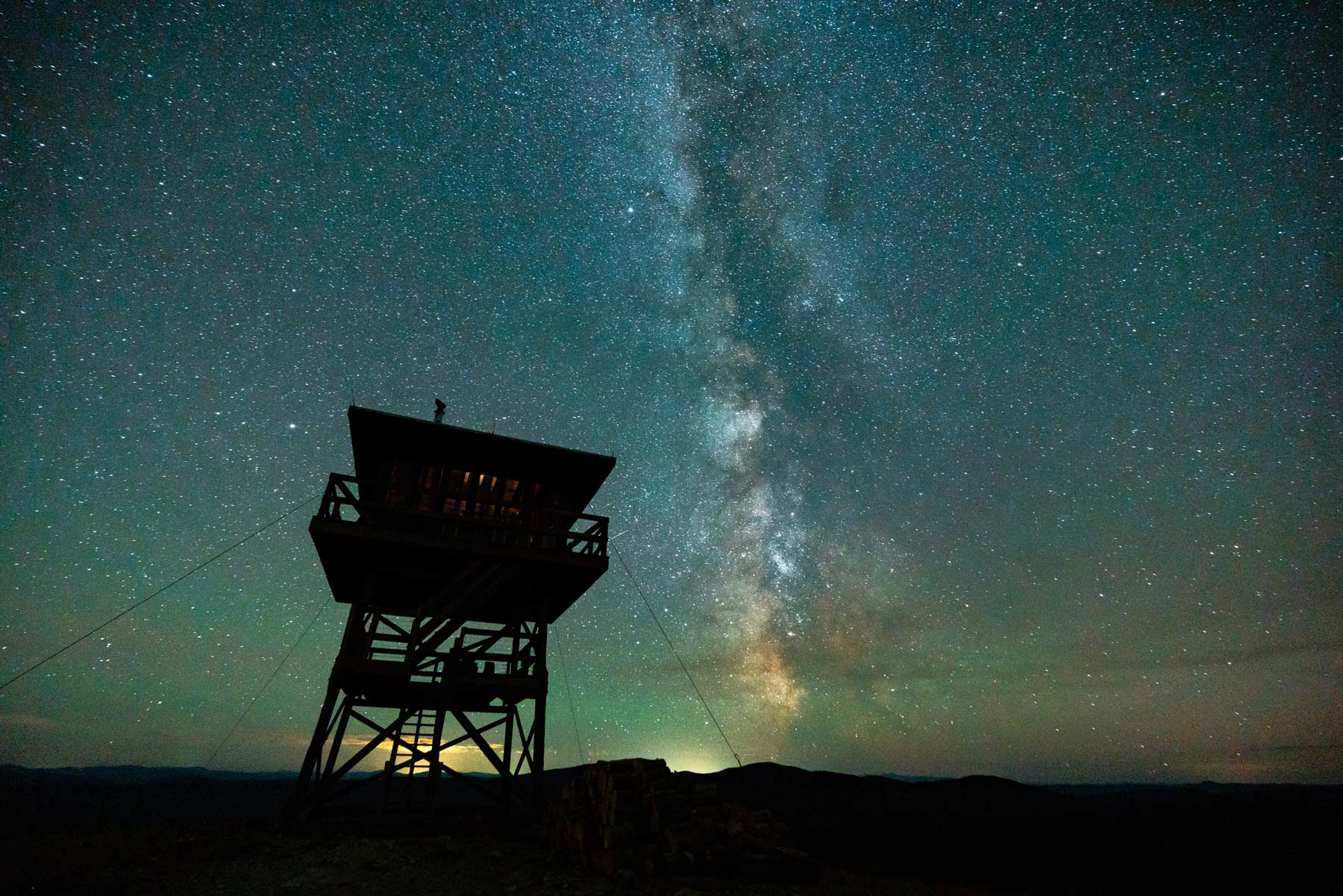
The eastern half of the Helena-Lewis & Clark National Forest offers particularly great stargazing opportunities. The region’s remoteness means that most areas are shielded from the light pollution of major urban centers, ensuring clearer and more views of the stars.
The forest’s varied terrains and elevations enhance the experience, with higher elevations often providing views less affected by any human created distortions. the expansive meadows and clearings in the forest present unobstructed vistas of the night sky.
Explore Hay Canyon
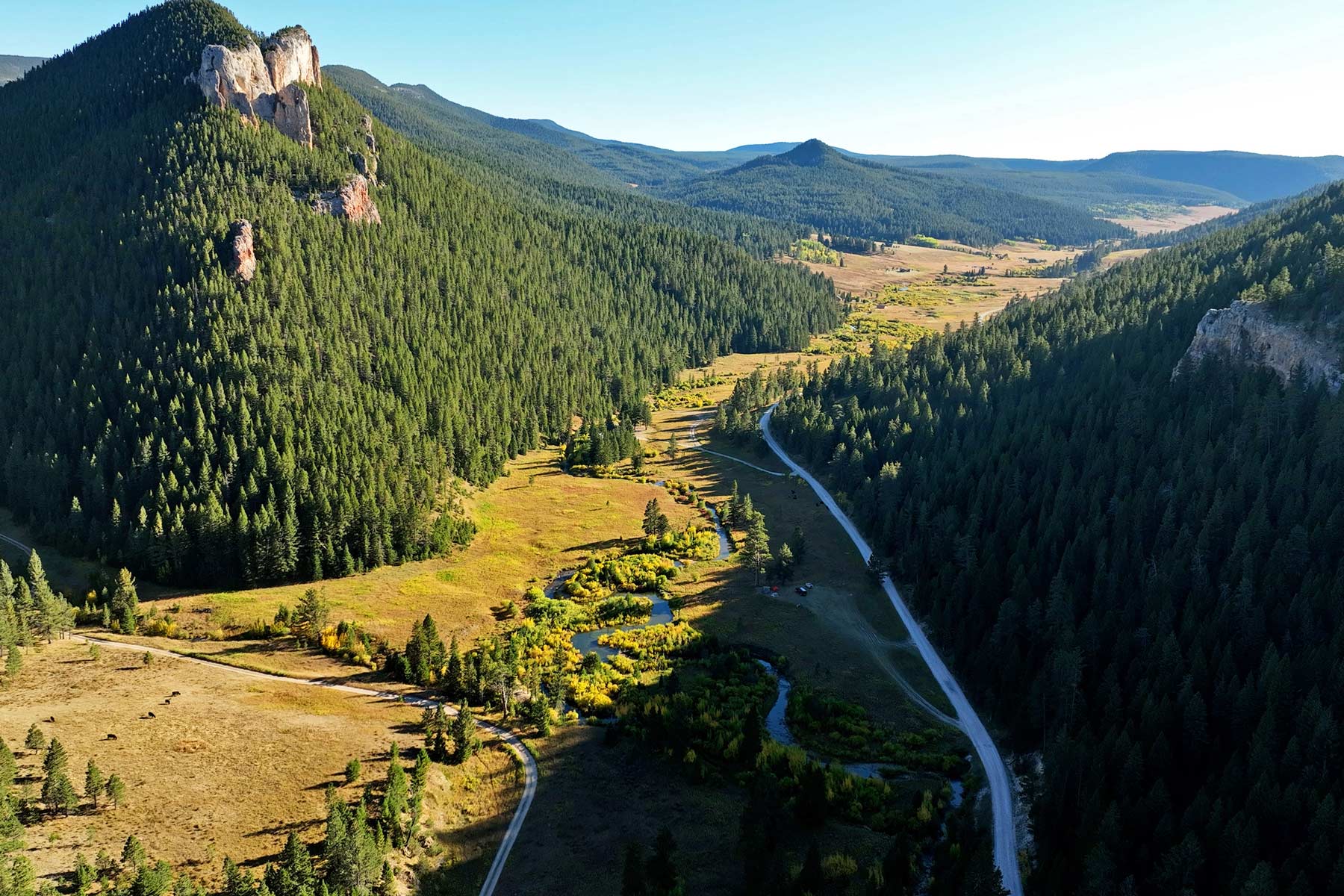
Hay Canyon is a magical spot located on the in the Judith-Musselshell District of the forest, east of Neihart. There isn’t much out there about this place which makes it all the better for the folks who have discovered it.
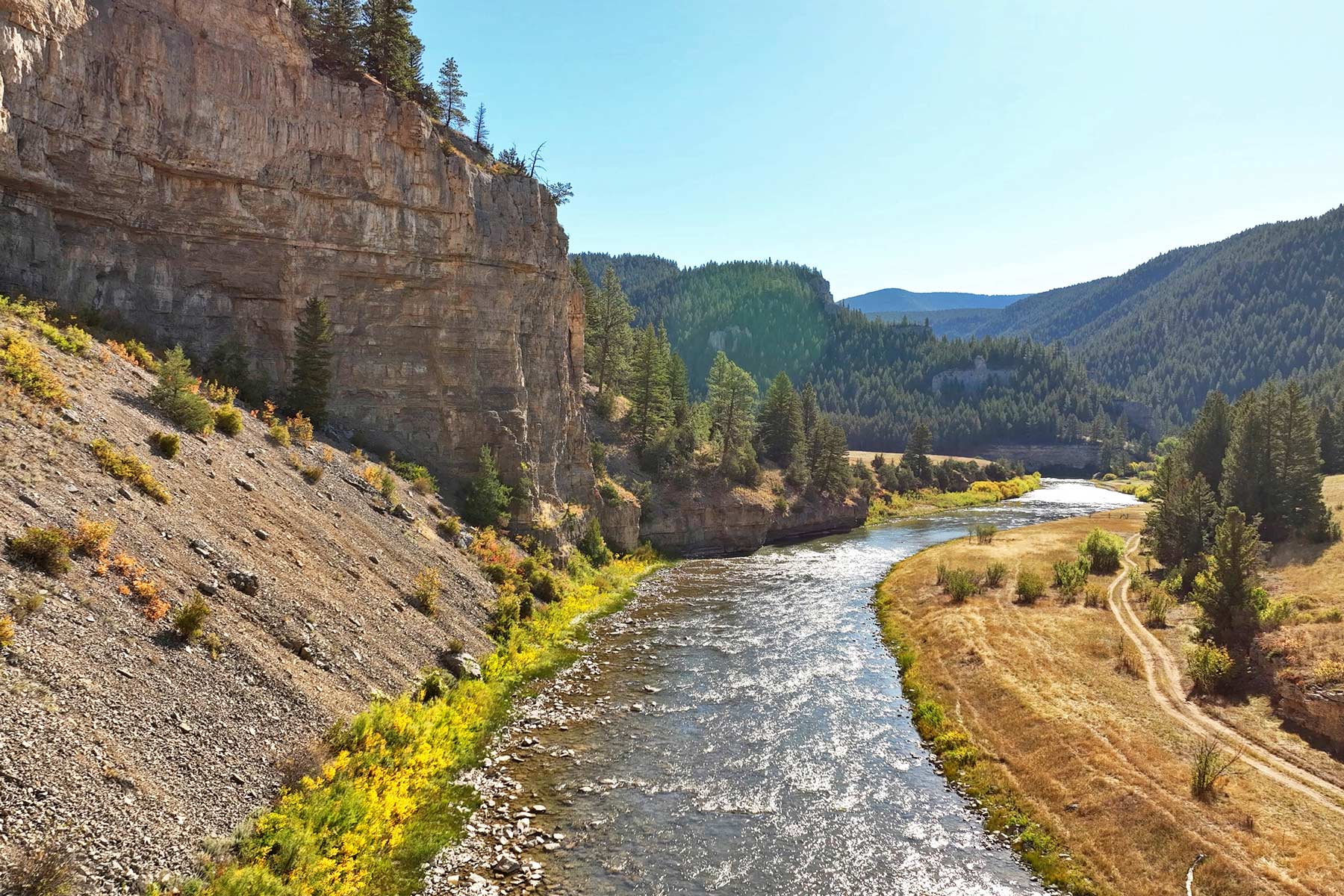
Tall canyon walls flank the south fork of the Judith River creating an intimate feeling. The canyon is full of great dispersed camping opportunities as well as really nice fly-fishing.
Go Camping Way Out There
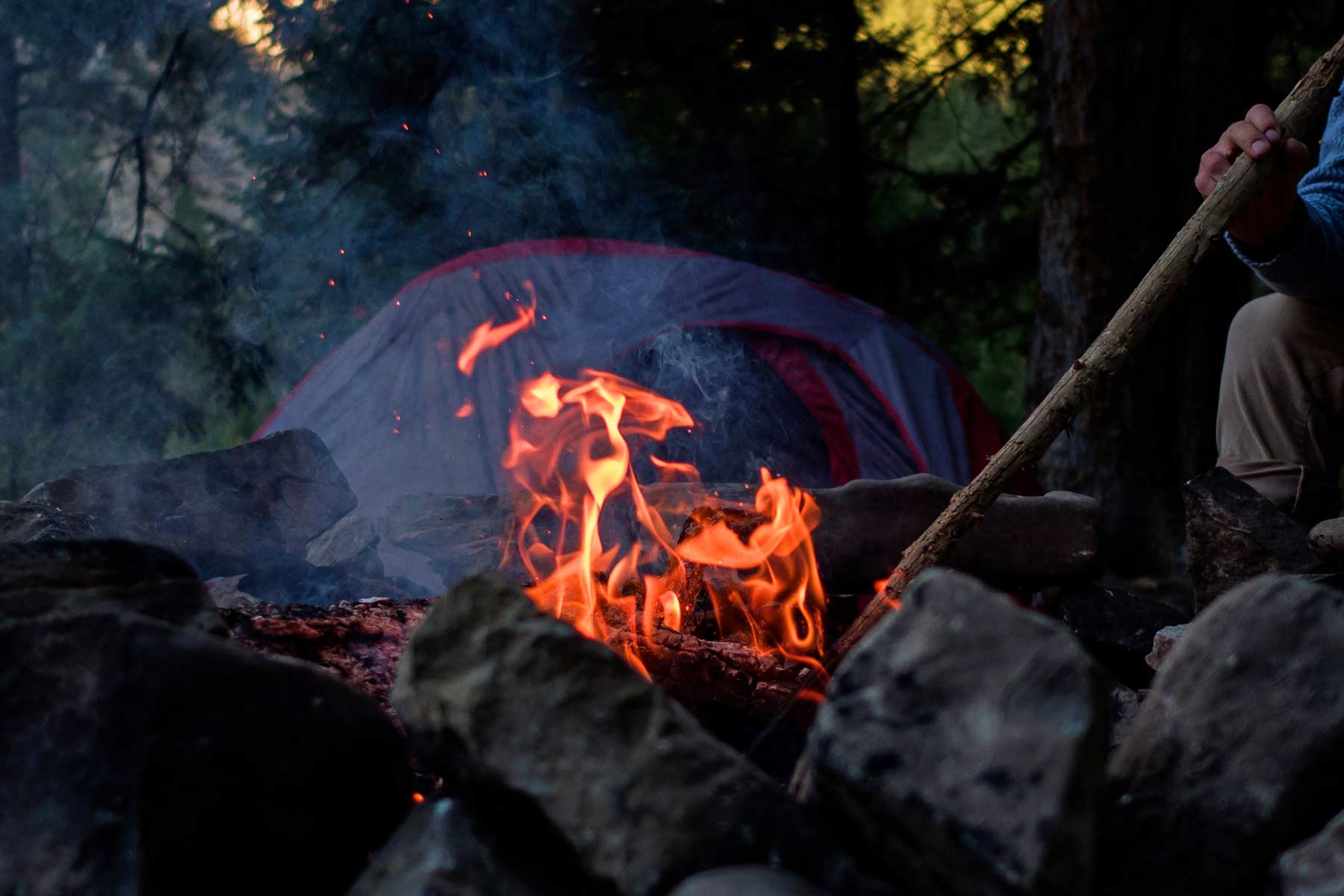
The Helena-Lewis & Clark National Forest offers a massive range of really beautiful and secluded camping opportunities. Pretty much whatever you’re into camping wise exists here somewhere. Dispersed camping is the specialty with countless possibilities all over the forest.
Our favorite spot was the dispersed camping in Hay Canyon (featured in the image below).
See (or Stay the Night in) Judith Guard Station
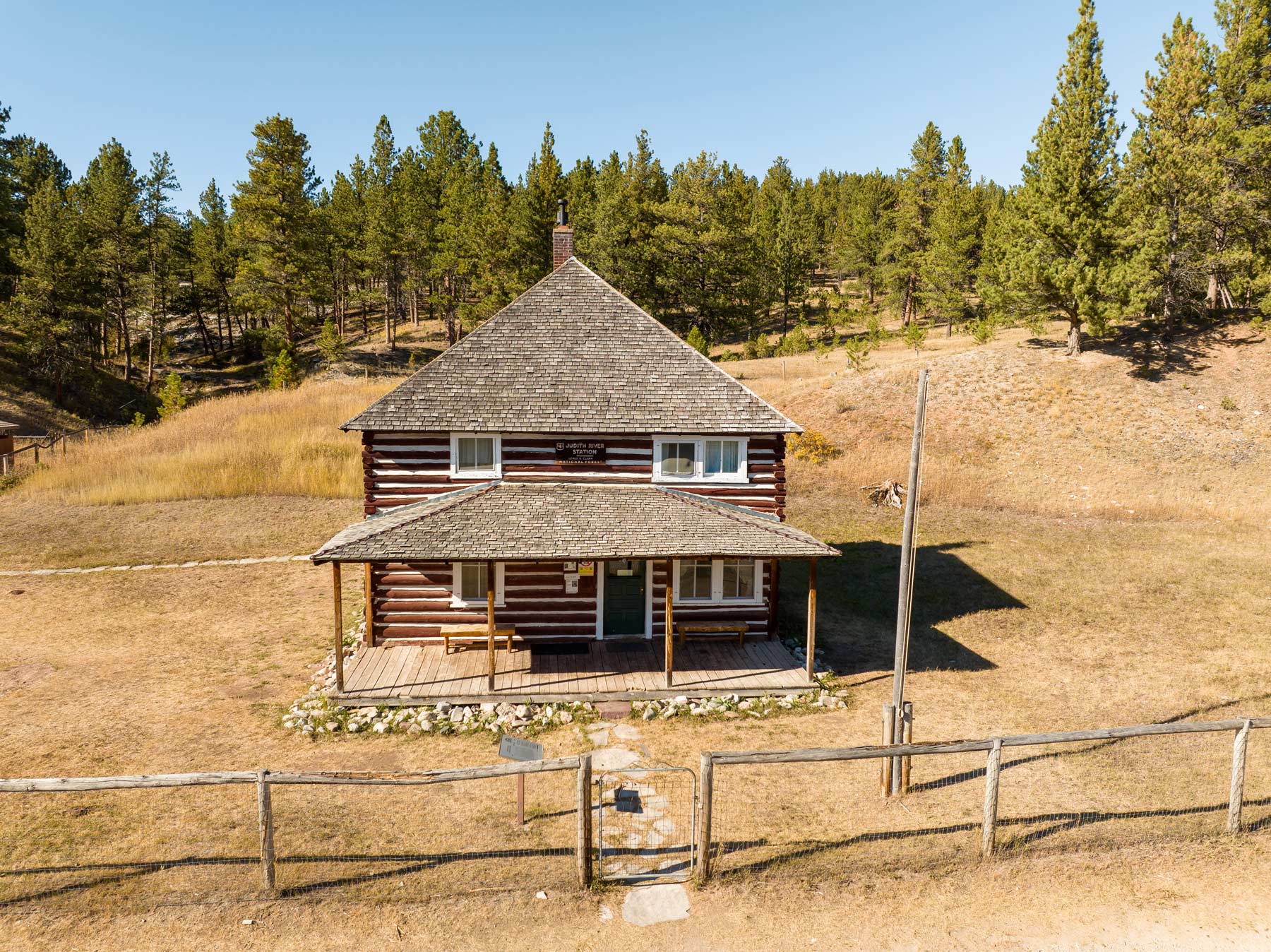
Situated in the Little Belt Mountains, the Judith Guard Station is surrounded by scenery and a few feet from the Middle Fork of the Judith River.
The Judith Guard Station is a relic of the early days of the U.S. Forest Service. Established in the early 20th century, this station was originally used by forest rangers who patrolled the area on horseback. These stations were essential in managing and overseeing vast expanses of public lands.
If you’re really looking for a rustic experience consider renting the Judith Guard Station for a night or two.
Float the Smith River
The Smith River is one of thea lesser-known spot of Montana’s waterways. Winding your way through the scenic landscapes marked by limestone canyon cliffs, lush forests, and open meadows. And if you’re into fishing, you’ll love the trout opportunities here.
However, due to its sheer popularity and the aim to keep the river pristine, you’ll need a permit. Montana Fish, Wildlife & Parks handles these through a lottery system, so you might want to mark mid-February on your calendar for the application deadline.
Most adventurers opt for a 4-5 day journey, starting from Camp Baker and ending at Eden Bridge, covering a mesmerizing 59-mile stretch.
Considering you’ll be in a remote area, it’s a good idea to pack wisely: food, a way to purify water, first aid essentials, and bear-proof containers (because, yes, it’s bear country). Spring to early summer is the ideal time for this adventure, thanks to higher water levels.
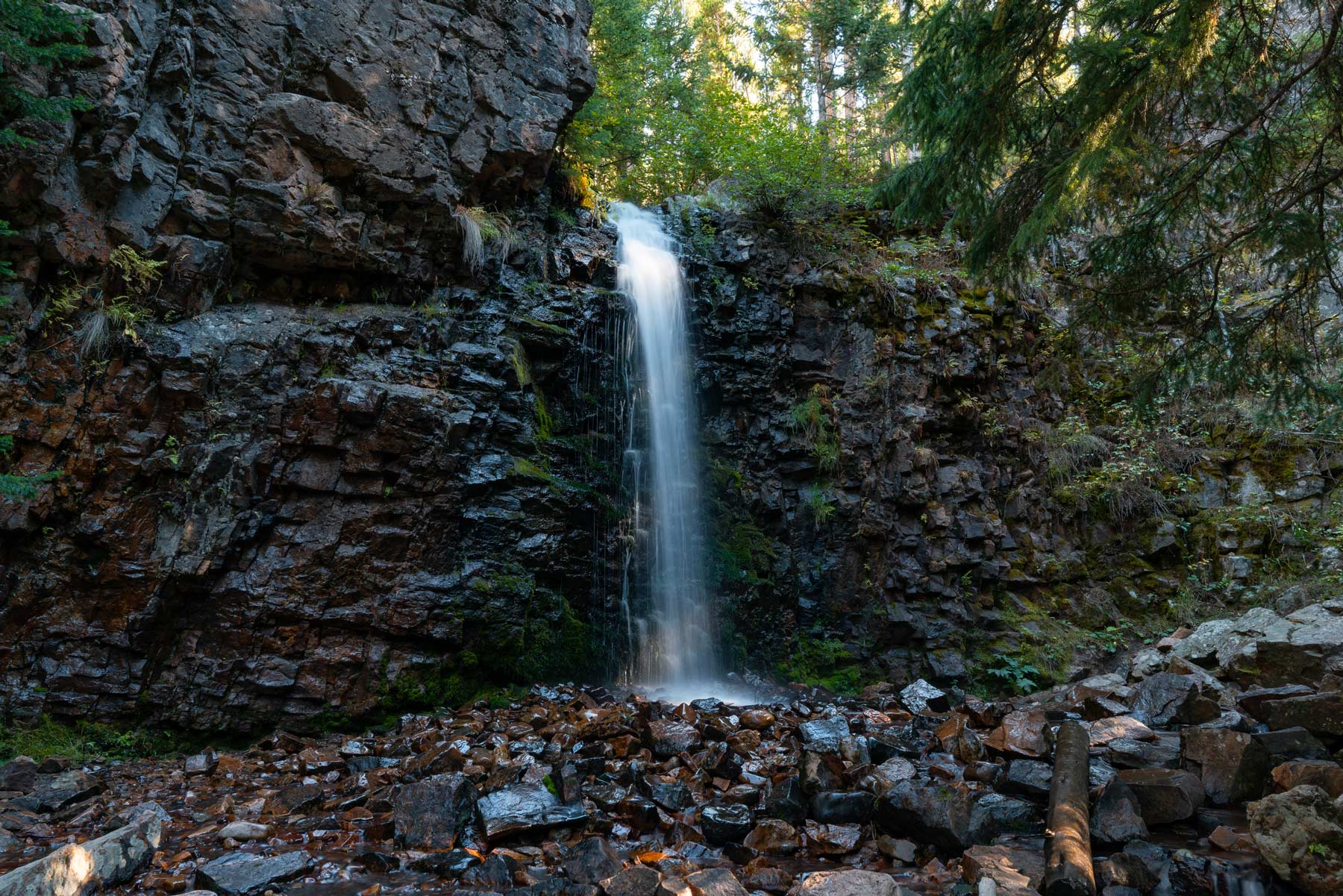
Check Out Memorial Falls
Helpful Related Links
Float the Breaks: A (Very Helpful) Guide to Floating the Upper Missouri River Breaks
Montana National Parks: 10 Epic National Park Sites in Montana
Montana Landmarks: 15 Must See Montana Landmarks
Montana Historic Sites: 15 Amazing Historic Sites in Montana
Best Hikes in Glacier: 15 Best Hikes in Glacier National Park
Things to Do in Glacier: 20 Best Things To Do in Glacier National Park