

Minnesota has exactly one national park, Voyageurs, and five more National Park Service sites that are monuments, a recreation area, a scenic riverway, and a long-distance trail. That is the honest count, and it shapes how you plan. This guide ranks them by how much of your trip each one earns, with the designations labeled straight so you know what you are driving to.
One note on the math before we start. The National Park Service runs six units in Minnesota. Only Voyageurs carries the formal “National Park” title. Grand Portage and Pipestone are National Monuments, the Mississippi corridor through the Twin Cities is a National River and Recreation Area, the St. Croix is a National Scenic Riverway, and the North Country is a National Scenic Trail. All six are real NPS units; only one is a national park.
Minnesota’s NPS Sites at a Glance
| Site | NPS Designation | The Draw | Region | Fee | Time Needed |
|---|---|---|---|---|---|
| Voyageurs | National Park | Water-based wilderness, northern lights, houseboats | Northern MN (International Falls) | Free | 2-4 days |
| Grand Portage | National Monument | Ojibwe history and the 8.5-mile fur-trade portage | Far northeast (Lake Superior) | Free | Half day |
| Pipestone | National Monument | Sacred quarries where tribes still carve pipestone | Southwest MN | Free | 2-3 hours |
| St. Croix | National Scenic Riverway | 200 miles of clean canoeing water | East MN / WI border | Free | 1-2 days |
| Mississippi (MNRRA) | National River & Recreation Area | 72 river miles through the Twin Cities | Minneapolis / St. Paul | Free | Half day |
| North Country Trail | National Scenic Trail | Long-distance hiking across the north woods | Northern MN | Free | An hour to weeks |
The National Park
1. Voyageurs National Park
Minnesota’s only national park is a park you experience from the water. Of its 218,000 acres along the Canadian border, about a third is lake, and the interior Kabetogama Peninsula has no roads at all. You reach the heart of Voyageurs by canoe, kayak, motorboat, or houseboat, which is exactly what makes it one of the quietest parks in the lower 48. It is named for the French-Canadian fur traders who paddled these waters by the ton two centuries ago.
This is also one of the best national parks in the country for the northern lights. The park sits under dark northern skies and was certified as an International Dark Sky Park, so on a clear night between fall and spring the aurora can fill the whole horizon over the lake. Summer brings houseboating, fishing for walleye and northern pike, and camping on islands you have entirely to yourself.
117 public lands destinations are under threat. Get the free briefing that 27,000+ people use to stay informed and take action.

Three things not to miss. Paddle or boat to the Ellsworth Rock Gardens, one man’s lakeside sculpture garden of 13 acres, reachable only by water. Take a ranger-led boat tour to the Kettle Falls Hotel, a 1910 lodge so remote you look south into Canada. And if you have the time and the gear, run a multi-day canoe route through the interior, where the only sounds are loons and your own paddle.
Access notes. Free to enter. The three visitor centers (Rainy Lake, Kabetogama Lake, Ash River) are your launch points, near International Falls about 4.5 hours north of the Twin Cities. You need a boat to see the park properly; outfitters in the gateway towns rent everything from kayaks to full houseboats. Our full breakdown is in the guide to the best things to do in Voyageurs National Park.

The National Monuments
2. Grand Portage National Monument
In the far northeast corner of the state, on the shore of Lake Superior, Grand Portage protects both Ojibwe heritage and the great 8.5-mile portage trail that let fur traders bypass the unnavigable lower Pigeon River. The reconstructed North West Company depot brings the 1700s fur trade to life, and the monument is managed in close partnership with the Grand Portage Band of Lake Superior Chippewa, whose reservation surrounds it. Hike the historic portage, tour the stockade, and drive a few minutes more to the state park’s High Falls, the tallest waterfall in Minnesota.
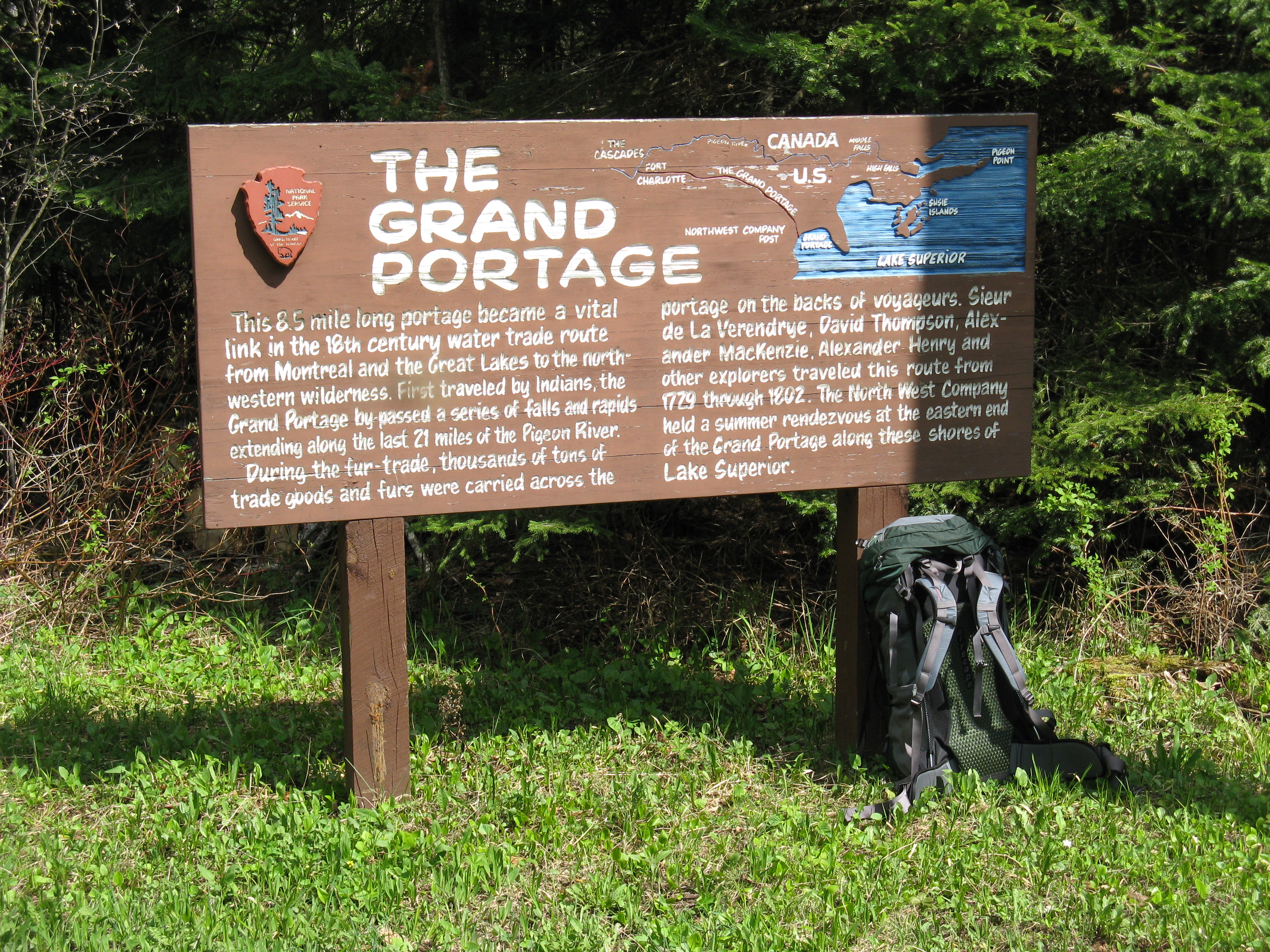
Access notes. Free. The heritage center is seasonal; the grounds and portage trail stay open year round. It is the last stop before Canada at the top of the North Shore, a natural cap to a Lake Superior road trip.
3. Pipestone National Monument
In the far southwest corner, Pipestone protects quarries that Native peoples have worked for centuries to extract the soft red stone used to carve ceremonial pipes. This is a living cultural site, not a relic; members of federally recognized tribes still hold the right to quarry here. A 3/4-mile circle trail leads past the active quarries and Winnewissa Falls, and in the visitor center you can often watch artisans carving pipestone by hand.
Access notes. Free. About 3.5 hours southwest of the Twin Cities, it pairs well with a prairie road trip. Allow a couple of hours for the trail and the demonstrations.
The Rivers and the Trail
4. Saint Croix National Scenic Riverway
One of the original eight rivers protected when Congress passed the Wild and Scenic Rivers Act in 1968, the St. Croix and its tributary the Namekagon run more than 200 miles of clean, canoe-friendly water along the Minnesota-Wisconsin line. The dramatic stretch is the Dalles of the St. Croix near Taylors Falls, where the river squeezes between sheer basalt cliffs that draw climbers and gawkers alike. Upstream you get quiet flatwater perfect for a beginner’s overnight paddle.

Access notes. Free. Multiple landings and outfitters along the river; Taylors Falls is the easiest access from the Twin Cities, about an hour northeast. Rent a canoe and go for the day or string several days together.
5. Mississippi National River & Recreation Area
You do not have to leave the city to stand in a national park unit. This one runs 72 miles of the Mississippi straight through Minneapolis and St. Paul, protecting the river corridor where the only true waterfall on the entire Mississippi, St. Anthony Falls, powered the flour mills that built Minneapolis. Walk the Stone Arch Bridge for the skyline-and-river view, tour the Mill City Museum ruins, or paddle an urban stretch with herons overhead and downtown behind you.

Access notes. Free. The visitor center is inside the Science Museum of Minnesota in St. Paul. Dozens of access points across both cities make this the easiest NPS unit in the state to reach.
6. North Country National Scenic Trail
The longest of America’s national scenic trails runs 4,800-some miles across eight states, and a substantial stretch crosses northern Minnesota’s lake country and forests. You experience it the way you experience any long trail: a day hike here, a weekend backpack there. The Chippewa National Forest segments and the connections toward the Boundary Waters country give Minnesota hikers some of the prettiest miles on the whole route.

Access notes. Free. Trailheads are scattered across the north; check the North Country Trail Association maps for Minnesota segments before you go.
Beyond the Park Service
Minnesota’s single greatest piece of wild country is not run by the National Park Service at all. The Boundary Waters Canoe Area Wilderness, more than a million acres of interconnected lakes inside the Superior National Forest, is managed by the U.S. Forest Service and is the most-visited wilderness area in the country. If Voyageurs gives you the houseboat version of the north woods, the Boundary Waters gives you the pure paddle-and-portage version. The state’s North Shore parks, Gooseberry Falls and Tettegouche among them, fill in the rest of a Lake Superior trip.
Planning a Minnesota Parks Trip
When to Go
Summer is prime for the water-based sites, Voyageurs and the St. Croix, when the lakes are warm and the houseboats are running. September trades the crowds and mosquitoes for fall color and the first strong aurora nights. Winter turns Voyageurs into a snowshoe-and-ski landscape with ice roads on the frozen lakes, which is a genuinely different park and worth the cold if you are equipped for it.
Two Logical Routes
The North Woods loop (4 to 6 days). Twin Cities to Voyageurs for two or three days on the water, then southeast down to the North Shore of Lake Superior, capping at Grand Portage at the Canadian border with North Country Trail day hikes along the way.
The easy weekend (2 to 3 days). Walk the Mississippi corridor in the Twin Cities on day one, then drive an hour to Taylors Falls for a St. Croix paddle. Add a southwest day trip to Pipestone if you want to round out the monuments.
Full List of Minnesota NPS Sites
- Voyageurs National Park
- Grand Portage National Monument
- Pipestone National Monument
- Saint Croix National Scenic Riverway
- Mississippi National River & Recreation Area
- North Country National Scenic Trail
Helpful Related Articles
Voyageurs Best Things to Do in Voyageurs National Park
Minnesota History Best Historic Sites in Minnesota
Wisconsin’s Parks Wisconsin National Parks Guide