The Smokies get more visitors than Yellowstone, Yosemite, and Grand Canyon combined. And yet there are places in this park where you won’t see another soul all day.
That contradiction is the whole story of this park.
We’ve spent years exploring every corner of the Smokies. Here are 15 things worth doing, starting with the spots that most of those 12 million folks never find.
Quick Things To Know Before Visiting Great Smoky Mountains National Park
- Entrance is free! Anyone parking for more than 15 minutes will need a parking tag ($5/day or $40/year). Don’t buy a new one each day if you’re staying a while.
- Here’s our favorite guide book & map for the park.
- Great Smoky Mountains is the most visited national park in the country so expect crowds, especially on weekends from June through October.
- Don’t feed or approach wildlife! Seriously, there have been serious, even fatal, incidents. And in many cases, the animals involved have to be euthanized.
- The best time to visit Great Smoky Mountains National Park is in the fall. Visitation declines (a bit), but there are excellent wildlife viewing opportunities and some of the best fall foliage found anywhere in the world.
- Cell service is extremely limited throughout the park. Download offline maps before you go. We use the NPS app and Google Maps offline and it has saved us more than once.
- Here’s our favorite hotel to stay in the Great Smoky Mountains.
Table of Contents: Things to Do at Great Smoky Mountains National Park
Table of Contents: Things to Do at Great Smoky Mountains National Park
- Quick Things To Know Before Visiting Great Smoky Mountains National Park
- 1. Ascend Clingmans Dome
- 2. Soak in the Views at Newfound Gap Overlook
- 3. Drive through Cades Cove
- 4. Tour Mingus Mill
- 5. Visit Cataloochee
- 6. Hike the Appalachian Trail
- 7. Check out the Ocanaluftee Mountain Farm Museum
- 8. Tour the Roaring Fork Motor Nature Trail
- 9. Fontana Lake
- 10. View the Elk
- 11. Drive the Blue Ridge Parkway
- 12. Explore Deep Creek
- 13. Hike to Andrews Bald
- 14. See the Chimney Tops
- 15. Hike to Grotto Falls
- Getting to Great Smoky Mountains National Park
- Summary
- Map
Planning your visit to the Smokies? Here’s our favorite hotel to stay in the Great Smoky Mountains.
Best Things to Do in Great Smoky Mountains National Park
1. Ascend Clingmans Dome
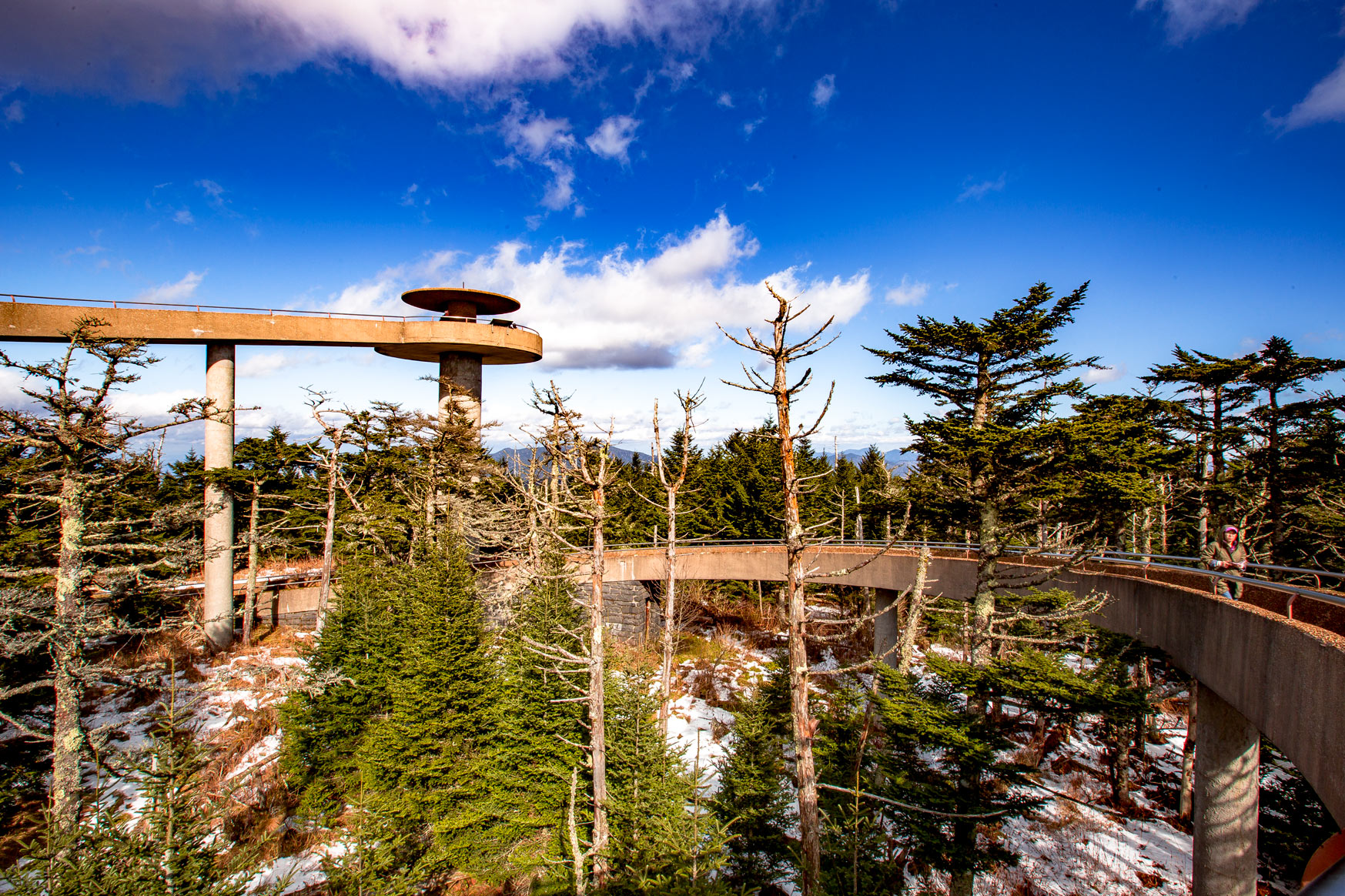
At 6,643 feet, Clingmans Dome is the highest point in Great Smoky Mountains National Park and the state of Tennessee. The observation tower provides sweeping 360-degree views. On clear days, you can see over 100 miles in any direction.
You can drive to the Clingmans Dome parking lot and take in spectacular views from there, but if you want to reach the observation tower you’ll walk a paved path that’s about half a mile. Fair warning, it’s steep. We’ve seen plenty of folks underestimate it. Budget 30 to 45 minutes round trip from the parking lot, more if you want to soak it in.
Distance: 0.5 miles to the tower (paved)
Difficulty: Easy but steep
Time needed: 30-45 minutes
Parking: Large lot, fills by 10am on weekends. Get there early.
Note: Clingmans Dome Road is closed December through March.
Skip the midday crowds and come for sunrise instead. We’ve done it half a dozen times and the mist rolling through the valleys below is genuinely one of the most beautiful things we’ve ever seen. Most people don’t realize you can do this. Now you do.
2. Soak in the Views at Newfound Gap Overlook
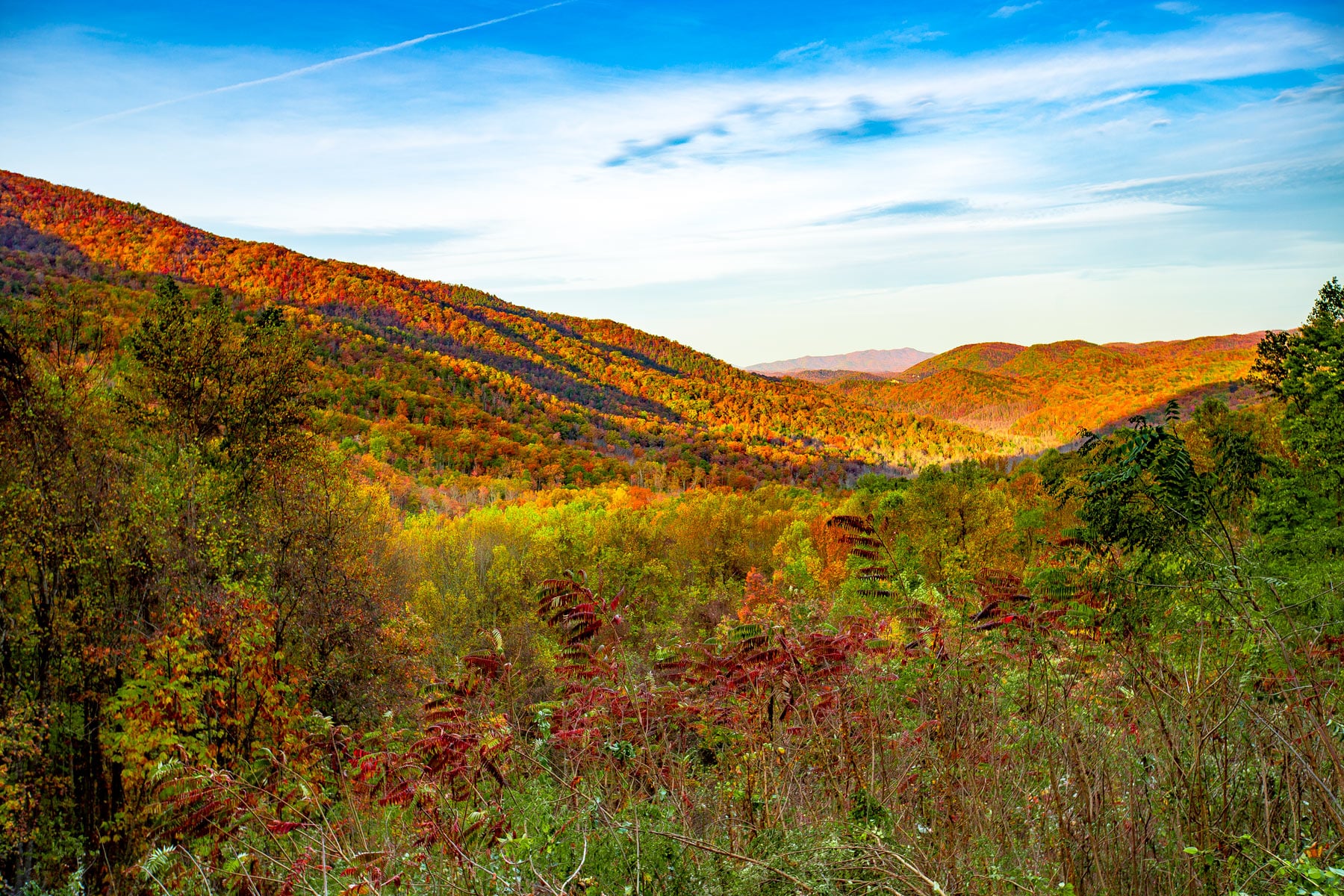
Newfound Gap Overlook is one of our favorite spots in the park. At 5,046 feet, it sits right on the Tennessee-North Carolina state line and delivers the sweeping, layered mountain scenery that makes this park famous.
Get here in the morning and watch the mist roll through these old hills and you’ll see why they’re called the Great Smoky Mountains. In the fall, this overlook is a feast for the eyes, with brilliant reds, yellows, and oranges nearly everywhere you look.
Distance: Roadside pulloff, no hiking required
Parking: Limited. This is right off US-441 and fills up fast. If the lot is full, don’t block the road. Come back in an hour.
Time needed: 15-30 minutes
3. Drive through Cades Cove
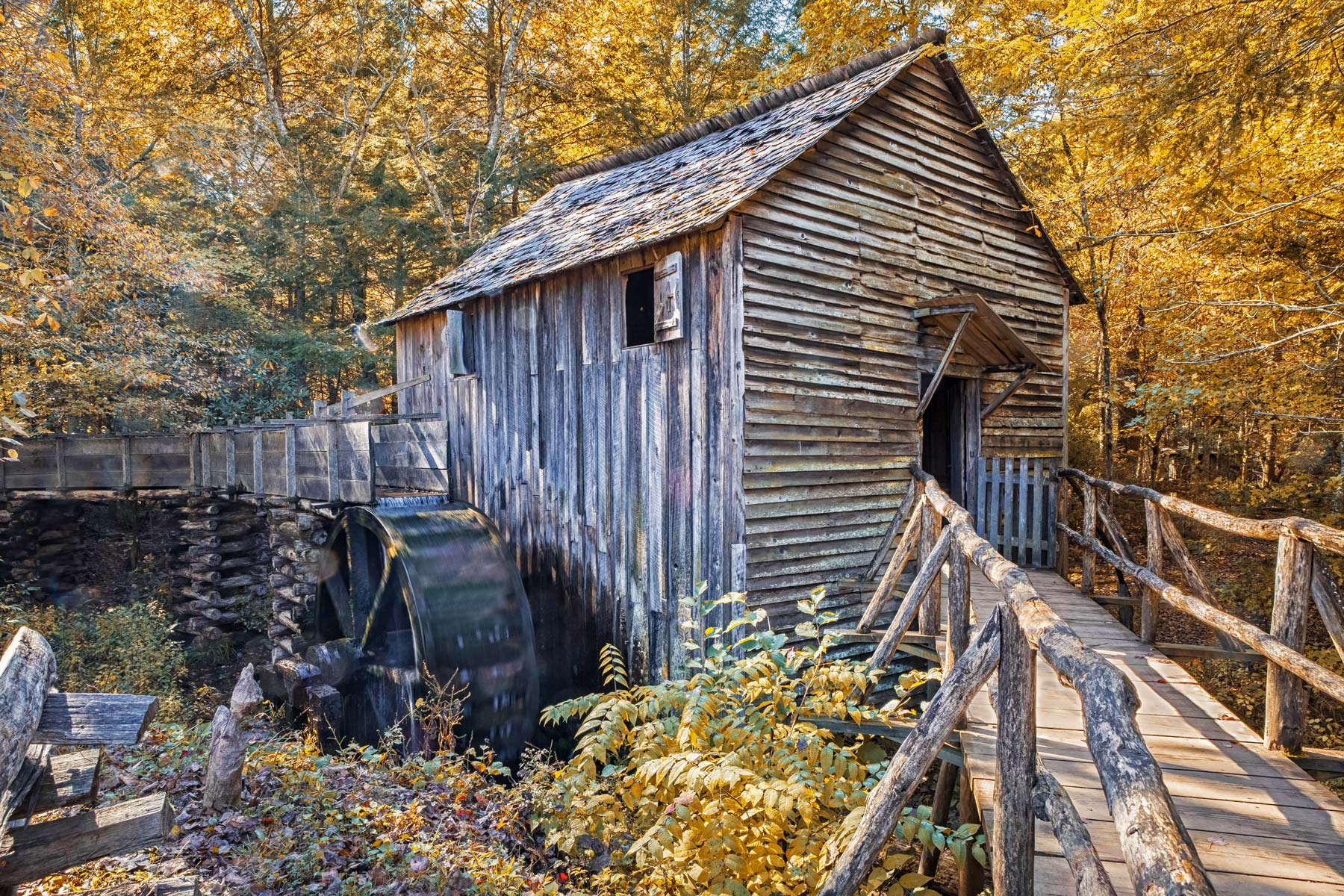
The beautiful misty mountain valley of Cades Cove is perhaps the most popular spot in the park, with its historic cabins and abundant wildlife, including black bears. In the summer and fall, cars line up by the hundreds to enter this 11-mile one-way loop road.
The park service opens the road at sunrise and it typically takes 2 to 4 hours to complete the loop depending on traffic and how many times you stop. Every Wednesday from May 1 to September 25 the loop is car-free, so you can hike or bike your way through free of traffic and noise. We think the Wednesday experience is actually the better one.
Distance: 11-mile one-way loop (by car or bike)
Time needed: 2-4 hours by car, longer by bike
Best time: Arrive right at sunrise for the fewest cars and best wildlife viewing
Parking: Lot at the start of the loop. Fills by mid-morning on weekends.
We know Cades Cove is going to get some pushback from people who’ve sat in two hours of bumper-to-bumper traffic. And honestly, we get it. But if you come at sunrise on a weekday, before the tour buses arrive, this valley is absolute magic. What do you think… overrated or worth the early alarm? Let us know in the comments.
Interested in Visiting Cades Cove? Check out 15 Things to See in Cades Cove (Helpful Guide + Map)
4. Tour Mingus Mill
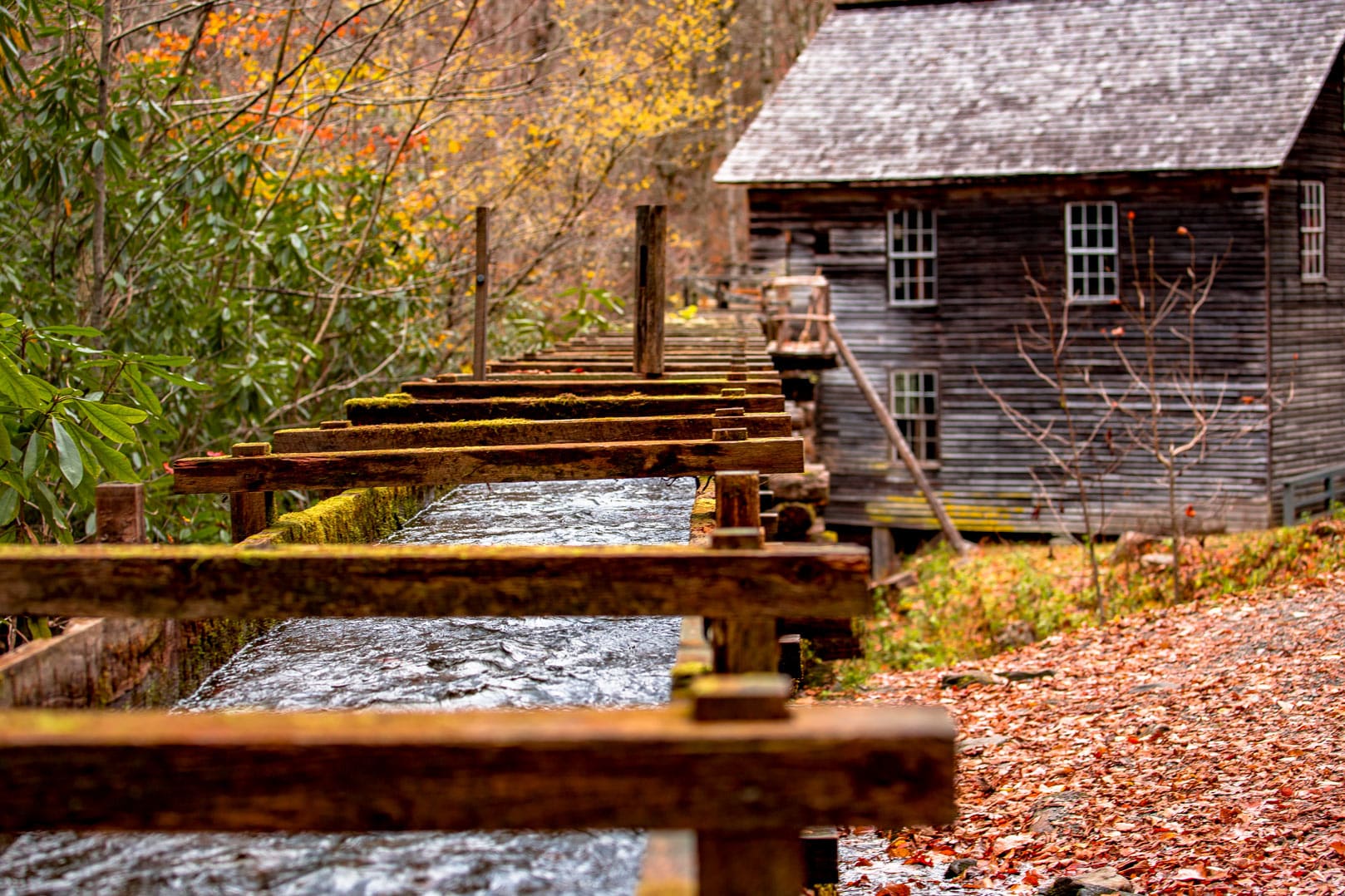
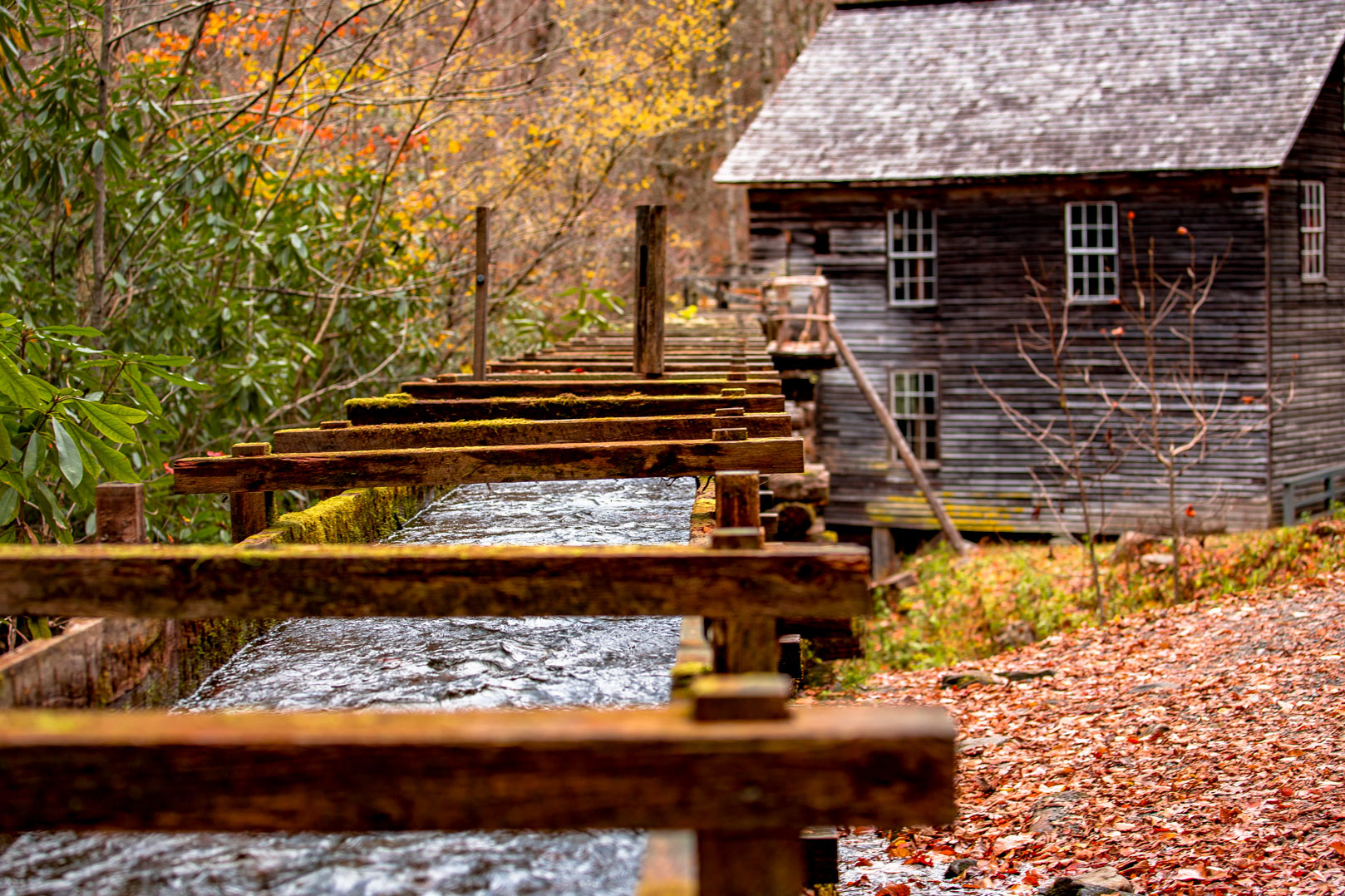
The historic Mingus Mill was built in 1886 and continues to churn to this day. It’s a cool spot to explore with kids and see a piece of functioning pioneer history. Step inside the mill and learn about the mill’s operations from a National Park Service interpreter.
Not only is this a beautiful historic mill, but it’s an operating grist mill and you can go inside and watch how it works. In the winter, you might notice smoke coiling out of the old mill from the wood fire crackling inside.
Location: Near the Oconaluftee Visitor Center (south entrance, NC side)
Time needed: 20-30 minutes
Cost: Free
Season: Generally open mid-March through late November. Check the NPS site for exact dates.
5. Visit Cataloochee
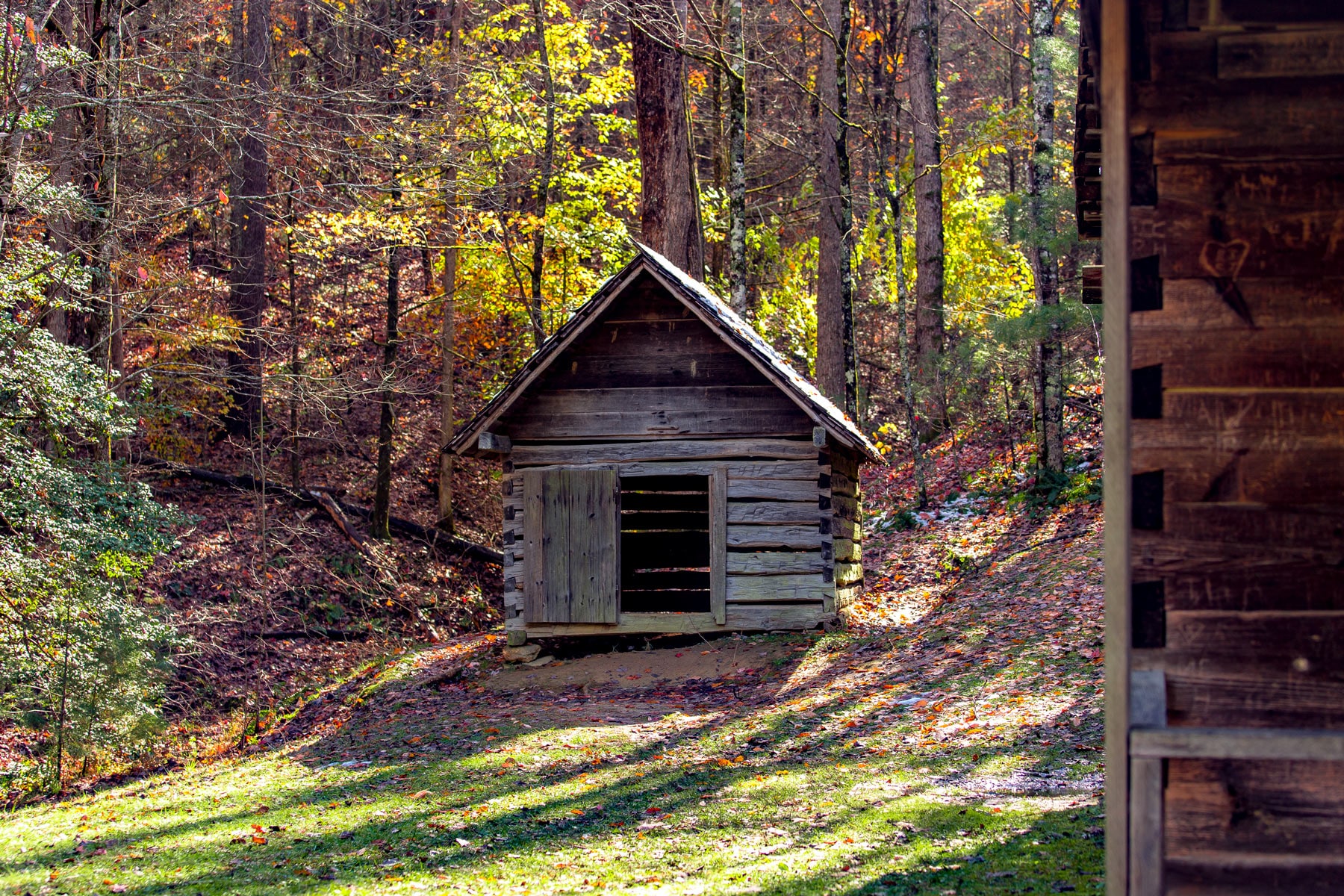
Far from the hustle and bustle of Gatlinburg and the tourists, you’ll find this peaceful mountain valley. Known as Cataloochee, the valley was formerly home to a small mountain community before the park was established. Now, you can explore the remaining historic homes and buildings and take in the peaceful mountain charm that once made this an ideal place to settle.
There’s a herd of elk that can commonly be seen grazing the pastures of the valley. You can also spot wild turkeys and other interesting wildlife in this quiet corner of the park. Have you been here? Most people skip Cataloochee and we think that’s a mistake.
Access: Via a narrow, steep, gravel road (Cove Creek Road). About 40 minutes from I-40. Not suitable for RVs or trailers.
Time needed: 2-3 hours to explore properly
Best for: Elk viewing at dawn and dusk, especially during the fall rut (September-October)
Parking: Small lots near historic structures. Rarely crowded.
More Great Things to Do in the Smokies
6. Hike the Appalachian Trail
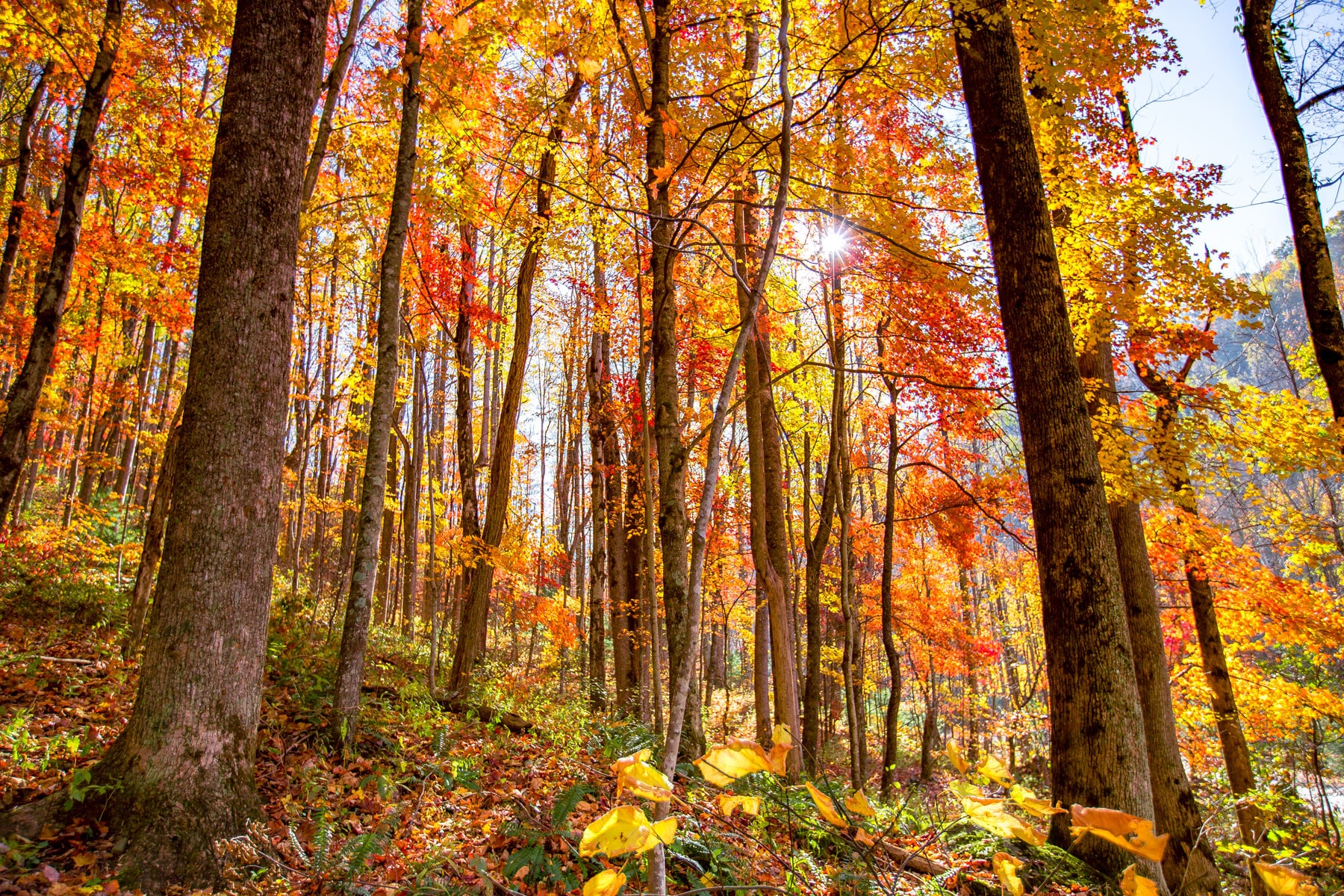
You might say the Appalachian Trail is the Route 66 of hiking trails. Completed in 1937, this legendary trail stretches some 2,200 uninterrupted miles from the mountains of north Georgia to the heart of Maine, passing through 14 states in all. The Appalachian Trail cuts through the heart of Great Smoky Mountains National Park and there are a number of opportunities to hop on the storied trail, even for a short walk.
Easiest access point: Clingmans Dome parking lot. You can walk a stretch of the AT heading either direction with minimal effort.
Other access points: Newfound Gap, Fontana Dam, Davenport Gap
Difficulty: Varies widely. Day hike sections range from easy to strenuous.
You don’t have to be a thru-hiker to experience the AT. Even a 20-minute walk from Clingmans Dome puts you on one of the most storied trails on the planet. That’s a bragging right worth having.
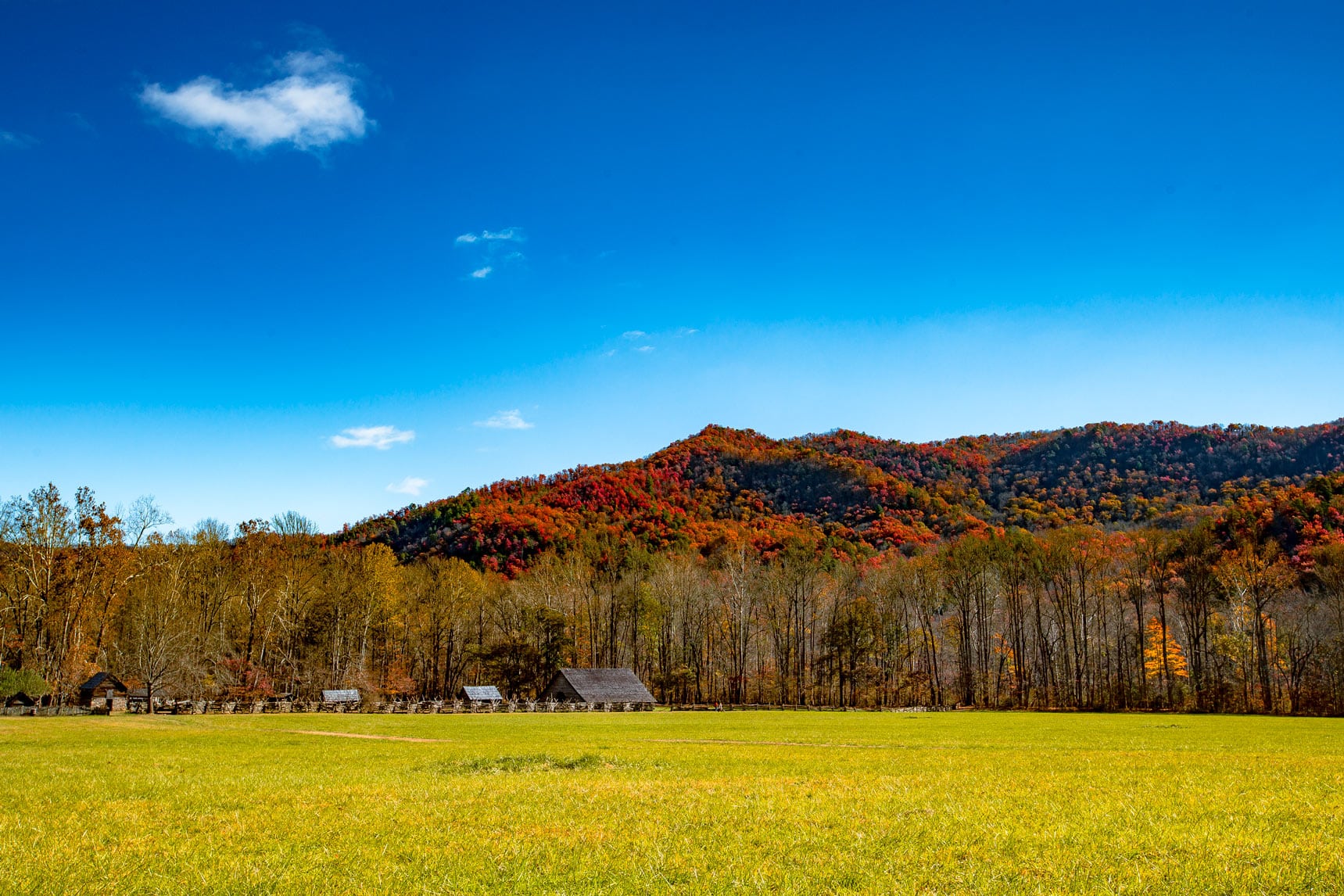
7. Check out the Ocanaluftee Mountain Farm Museum
At the south entrance of the park, you’ll find the Ocanaluftee Visitor Center. Adjacent to the visitor center is a walking trail along the Ocanaluftee River that takes visitors through the Mountain Farm Museum. The museum is actually a cluster of preserved historical pioneer buildings, including a blacksmith shop, a cabin, a barn, and others.
Here, you can walk through the history of the area, exploring old buildings and learning about the pioneer way of life while the scenic Ocanaluftee River rushes along just behind the treeline. This is also a great spot to see some of the park’s elk. They’ve been known to congregate in this area in the early morning, particularly in the fall.
Location: Oconaluftee Visitor Center, Cherokee, NC entrance
Time needed: 30-60 minutes
Cost: Free
Best for: Families, history enthusiasts, and early-morning elk viewing
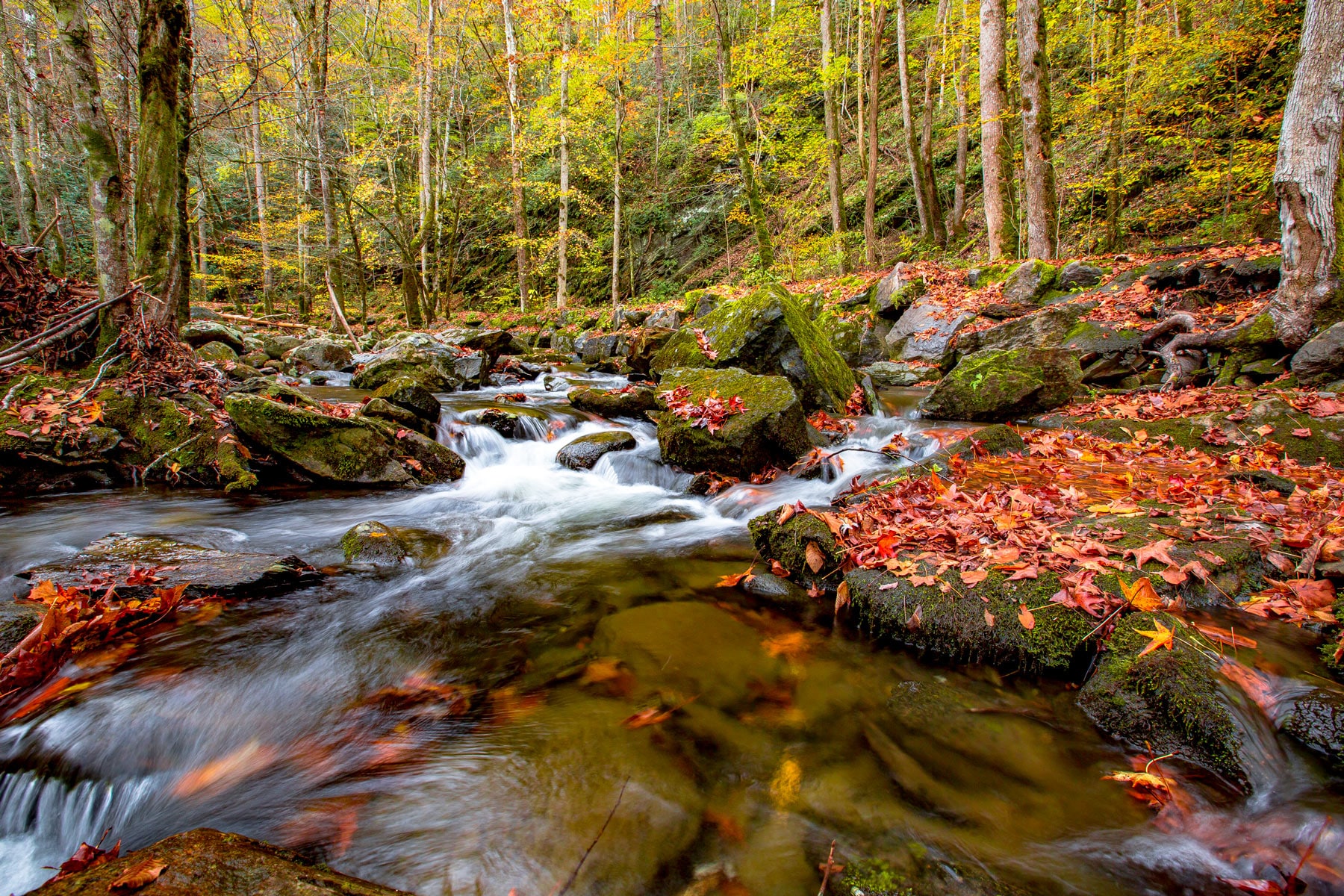
8. Tour the Roaring Fork Motor Nature Trail
The Roaring Fork Motor Nature Trail is a 5.5-mile one-way loop through a beautiful section of forest dotted with historic buildings. Along the way you’ll pass cascading streams, a historic grist mill, and plenty of serene nature. The trail offers the ability to slow down off of the main roads and enjoy the beauty of this area from your car.
There are also several hiking trails along the road that lead to scenic waterfalls, including Grotto Falls and Rainbow Falls. This is one of the best ways to experience the park if you only have a few hours.
Distance: 5.5-mile one-way driving loop
Time needed: 1-2 hours (driving only), longer if you hike
Access: Enter from Historic Nature Trail Road in Gatlinburg
Note: Closed in winter. No RVs or trailers allowed. Road is one-way only.
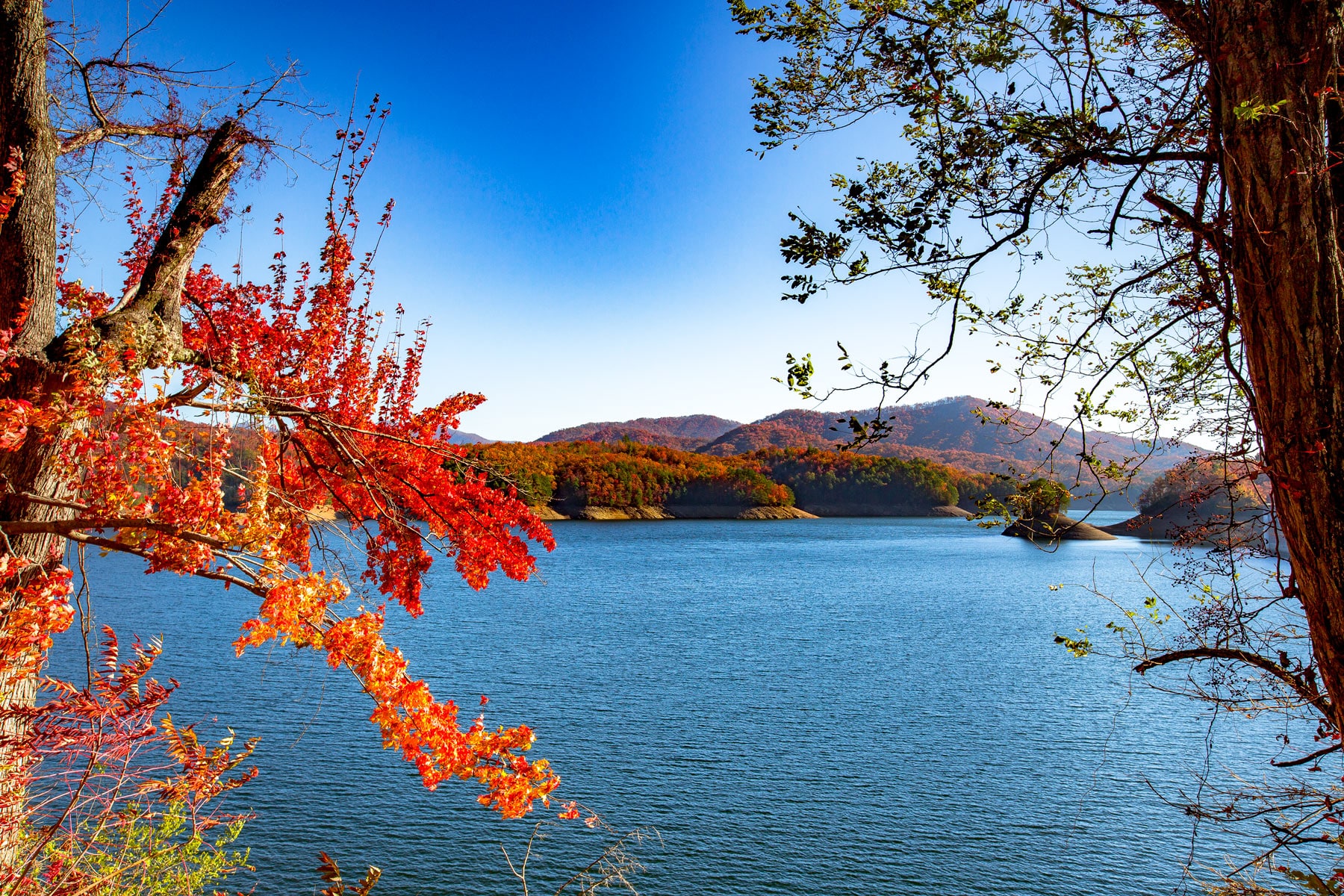
9. Fontana Lake
Fontana Lake marks the southern end of Great Smoky Mountains National Park and dips into Nantahala National Forest. The lake is a great spot for a picnic lunch away from the crowds in the busy parts of the park. You can also rent kayaks and boats from Fontana Village Resort.
The lake is a good distance away from most other points of interest in the park (about 45 minutes from Cherokee, an hour from Gatlinburg) so you’ll want to keep that in mind when planning your trip. But the tradeoff is solitude that’s genuinely hard to find elsewhere in the Smokies.
Activities: Kayaking, fishing, picnicking, and hiking (Lakeshore Trail)
Access: Fontana Dam area off NC-28
Time needed: Half day minimum to make the drive worthwhile
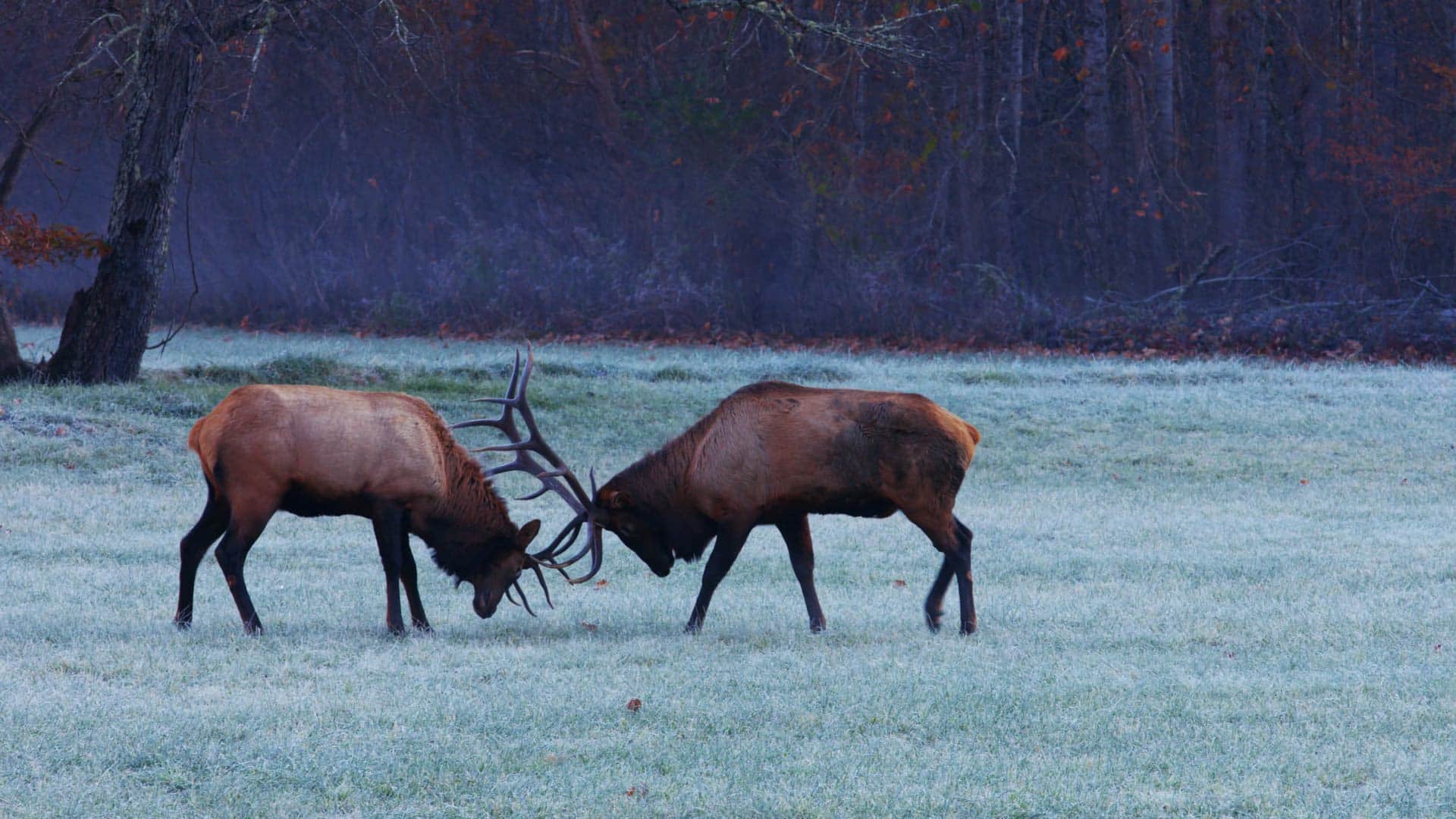
10. View the Elk
A lot of people don’t realize that you don’t have to head out west to see elk. That’s right, elk are native to the woodlands of the Eastern United States and were largely extirpated in the 18th and early 19th centuries. But thanks to the National Park Service these magnificent mammals are once again roaming the forests and meadows of the Great Smoky Mountains and are a delight to see.
Best viewing spots: Cataloochee Valley and the Oconaluftee Visitor Center fields
Best time: Early morning or late evening, especially during the fall rut (September-October) when the bulls are bugling
Safety: Maintain at least 50 yards distance. These are big animals and they will charge.
We recommend calling the park (865-436-1200) and asking a ranger where the elk have been most active recently. They’re incredibly helpful and it will save you a lot of guesswork.
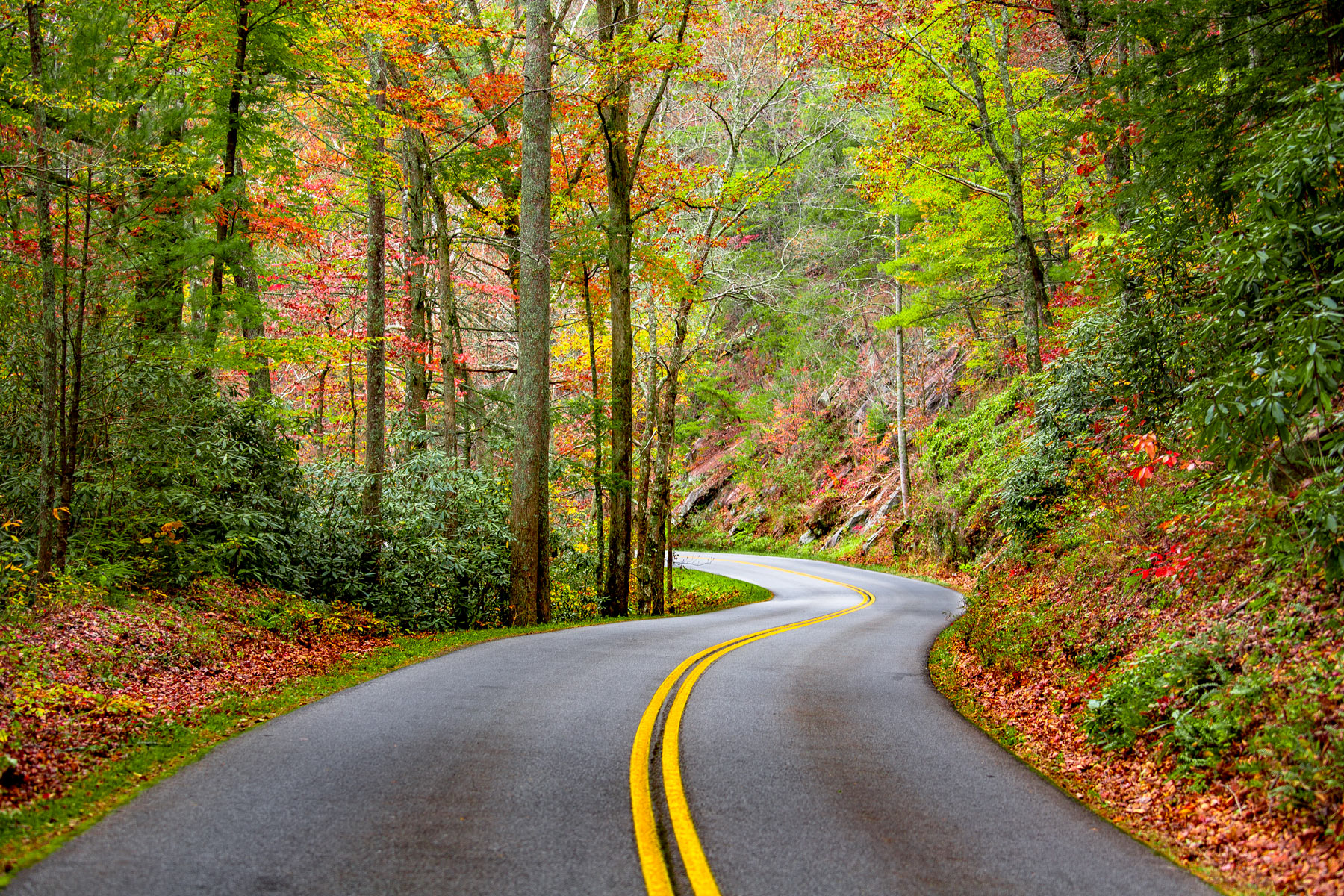
11. Drive the Blue Ridge Parkway
That’s right, the famed Blue Ridge Parkway begins (or ends, depending on who you ask) right at Great Smoky Mountains National Park. Why not hit the parkway when you’re done visiting the Smokies and wind your way up to Shenandoah National Park in Virginia?
No matter what your plans are, we recommend hopping on the Blue Ridge Parkway for at least a few miles and enjoying the scenery. The stretch between Cherokee and Asheville is particularly stunning in October.
Access: The parkway connects to US-441 near Cherokee, NC
Speed limit: 45 mph. This is not a highway, it’s a scenic drive. Embrace the pace.
Note: Sections close in winter due to weather. Check the NPS road status map before you go.
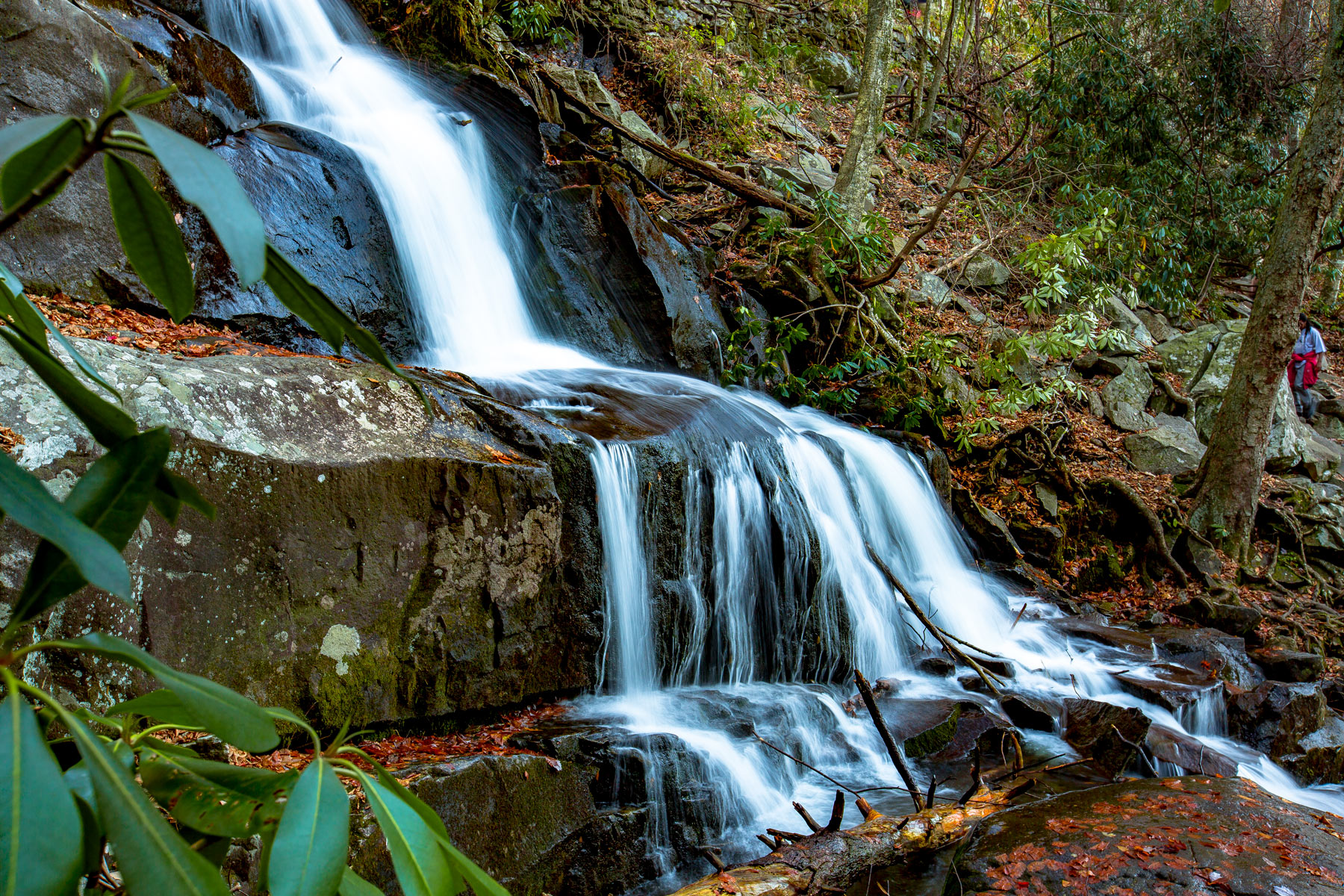
12. Explore Deep Creek
The Deep Creek area offers numerous hiking trails following streams and offering views of several waterfalls, including Juney Whank Falls (0.6 miles round trip) and Tom Branch Falls (visible from the trail within the first half mile). This is one of the more underrated areas in the park.
Bicycles are allowed on portions of Deep Creek and Indian Creek trails, and there’s a campground that is open seasonally from April to late October. Hiking is relatively easy in the Deep Creek area and suitable for most visitors.
Location: Near Bryson City, NC. About a 15-minute drive from town.
Time needed: 1-3 hours depending on how many waterfalls you chase
Bonus: In summer, tubing on Deep Creek is extremely popular with families. Tube rentals are available in Bryson City.
Fishing: Don’t forget to grab your Tennessee or North Carolina fishing license and try your hand here.
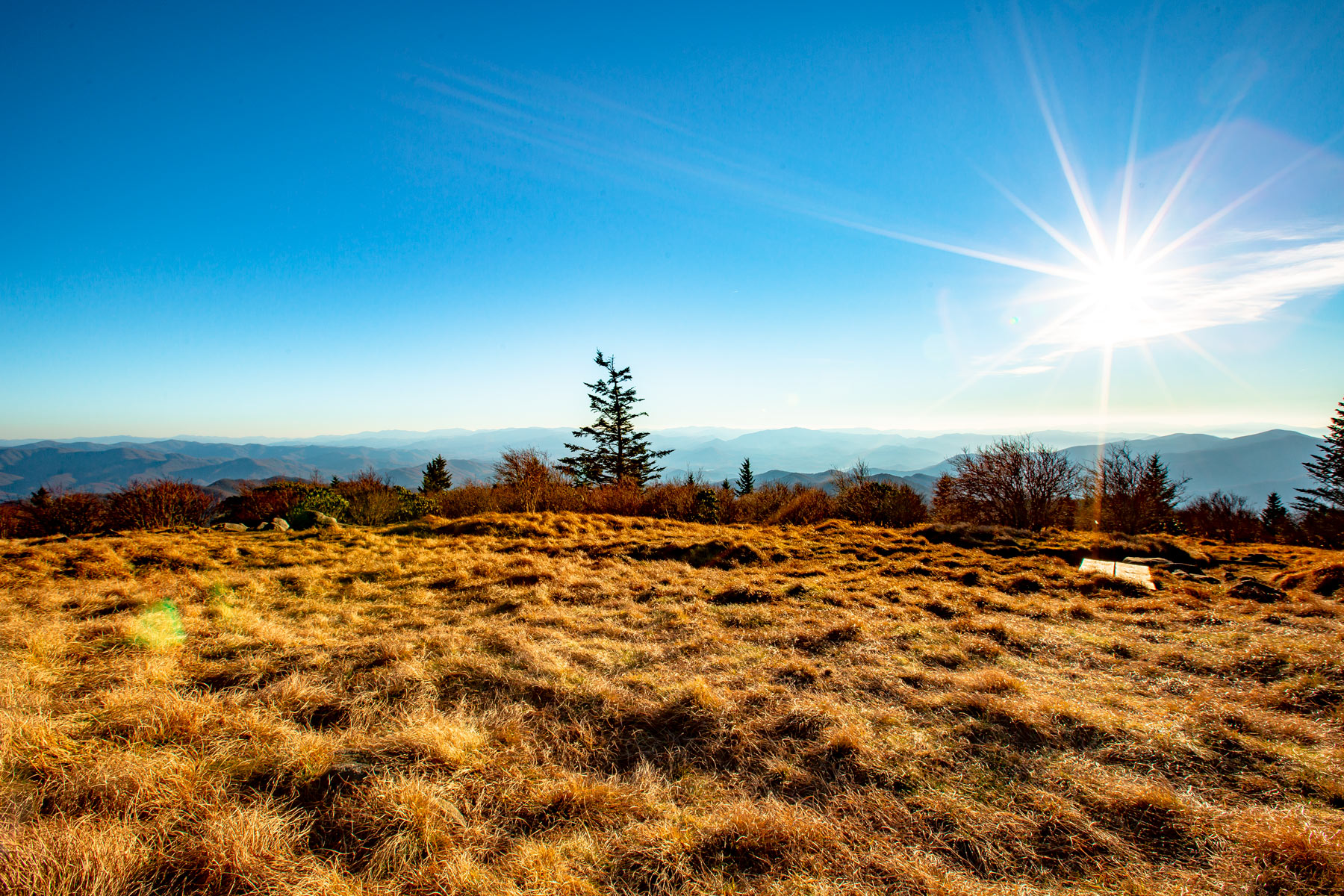
13. Hike to Andrews Bald
Named after an 1840s cattleman who grazed his cattle high up here, Andrews Bald is a grassy ridge top offering spectacular views of the surrounding area. To get there, you’ll take Forney Ridge Trail from the Clingmans Dome parking lot.
Distance: 3.6 miles round trip (1.8 miles one-way)
Elevation change: 1,200 feet
Difficulty: Moderate
Time needed: 2-3 hours round trip
Trailhead: Clingmans Dome parking lot
We wouldn’t recommend this trail for those who aren’t prepared for a little huffing and puffing as the way back is uphill the whole way. But the reward at the top, a wide open bald with wildflowers in summer and panoramic mountain views, is genuinely special. In June, the flame azaleas here are some of the most beautiful we’ve seen anywhere.
14. See the Chimney Tops
Think the Angels Landing of the eastern United States. Chimney Tops is one of the most popular trails in Great Smoky Mountains National Park and has attained legendary status as a must-do hike.
Is it a must-do? And for that matter, is Angels Landing? Honestly, not with the crowds. But if you come in the offseason it’s worth checking out if you’re up for a challenge.
Distance: 4 miles round trip
Elevation gain: 1,400+ feet
Difficulty: Strenuous
Time needed: 2.5-4 hours
Trailhead: Chimney Tops trailhead on Newfound Gap Road
The trail used to culminate in some rock-scrambling as you reached the summit. Now, the final quarter mile is closed due to the devastating 2016 fires. You can’t summit Chimney Tops any longer, but you can enjoy the adventure along the way while still getting epic views from the barricade point.
15. Hike to Grotto Falls
Grotto Falls is one of those hikes that makes you feel like you’ve stepped into another world. The trail winds through an old-growth hemlock forest to a 25-foot waterfall that you can actually walk behind. That’s right, you can stand behind the curtain of water and look out through it. It’s the only waterfall in the park where you can do that.
Distance: 2.6 miles round trip
Difficulty: Moderate (steady uphill on the way there)
Time needed: 1.5-2.5 hours
Trailhead: Roaring Fork Motor Nature Trail (Trillium Gap Trail)
Parking: Very limited at the trailhead. Arrive before 9am or you’ll be circling.
If you’re lucky, you might see the park’s llama pack train on this trail. The park service uses llamas to haul supplies to the LeConte Lodge. Seriously. It’s one of those only-in-the-Smokies moments that makes for a great story.
Getting to Great Smoky Mountains National Park
The park is conveniently located around the mountain tourist town of Gatlinburg, TN, which is just south of the larger tourist town of Pigeon Forge. You can fly into McGhee Tyson Airport (Knoxville, TN) on most domestic airlines, from there you can rent a car and make your way into the park which is a little more than an hour away. Asheville, NC is about an hour from the Cherokee entrance on the south side.
Summary of the Top Things to Do in Great Smoky Mountains National Park
- Clingmans Dome
- Newfound Gap Overlook
- Cades Cove
- Mingus Mill
- Cataloochee
- Appalachian Trail
- Ocanaluftee Mountain Farm Museum
- Roaring Fork Motor Nature Trail
- Fontana Lake
- View the Elk
- Blue Ridge Parkway
- Deep Creek
- Andrews Bald
- Chimney Tops
- Grotto Falls
We ranked Clingmans Dome as the number one thing to do in the Smokies. Fight us in the comments. And if you’ve found a spot we missed, we genuinely want to hear about it. We update this list based on reader tips and our own return visits.
Map of Things to Do at Great Smoky Mountains National Park
Helpful Related Articles
Great Smoky Mountains NP Guide: Expert Guide to Great Smoky Mountains National Park
Best Hikes Great Smoky Mountains: 15 Best Hikes in Great Smoky Mountains National Park
Visiting Cades Cove: Cades Cove Visiting Guide (Helpful Tips + Map)
Tennessee National Parks: 15 AMAZING Tennessee National Parks Worth Visiting (Guide + Photos)
Best East Coast National Parks: Top 10 Best East Coast National Parks Ranked
National Monuments Ranked: ALL 128 US National Monuments Ranked (Best to Worst)
National Parks Ranked: ALL 63 US NATIONAL PARKS RANKED By Experts
Free Downloadable National Parks Map: LIST & MAP of National Parks By State (+ Printable Checklist)
Most Visited National Parks: Top 10 Most Visited US National Parks
National Parks Road Trip: 10 EPIC National Parks Road Trips (Expert Guide)
Thank you for this!! I’ve been looking for a good list for a while and this one pretty much checks all the boxes. What time of year is best other than the fall (which I know is the time you recommend)? I’m planning a trip with my family and this is great. Do you have a printable version of this?
Hey Janice,
Thanks for dropping in! I’d say Spring is another great time to visit GSMNP just make sure to avoid spring break when all the schools are out! Waterfalls & blooms will be beautiful.
We’ll shoot you an email with a PDF!
Best,
Will
I would like to say that the road to Cataloochee is not as bad as they are describing. My family, who lives out west, makes an annual trip to GSMNT, and have been in every season love going to Cataloochee. We have always made sure to stay at least a day there and drive on the road both there and back. We used to drive in a beat-up minivan before we got our Jeep, and even in the worst weather we never had a problem. I will say that it is a very small one-lane road that for most of the time you are stuck behind some impossibly slow car but it is so worth it.
That’s a fair point coming from the west. We get a lot of comments from folks who are not used to bumpy roads so we lean on more caution is better. Really appreciate you sharing your insights as I’m sure it will be really helpful for everyone else considering.
Best,
Will
This is such a great overview of the Great Smoky Mountains! If you’re ever in Texas, consider checking out the RV parks in Midland, TX. They offer a fantastic way to relax and experience the beauty of the area while being close to local attractions. Thanks for sharing these tips!