


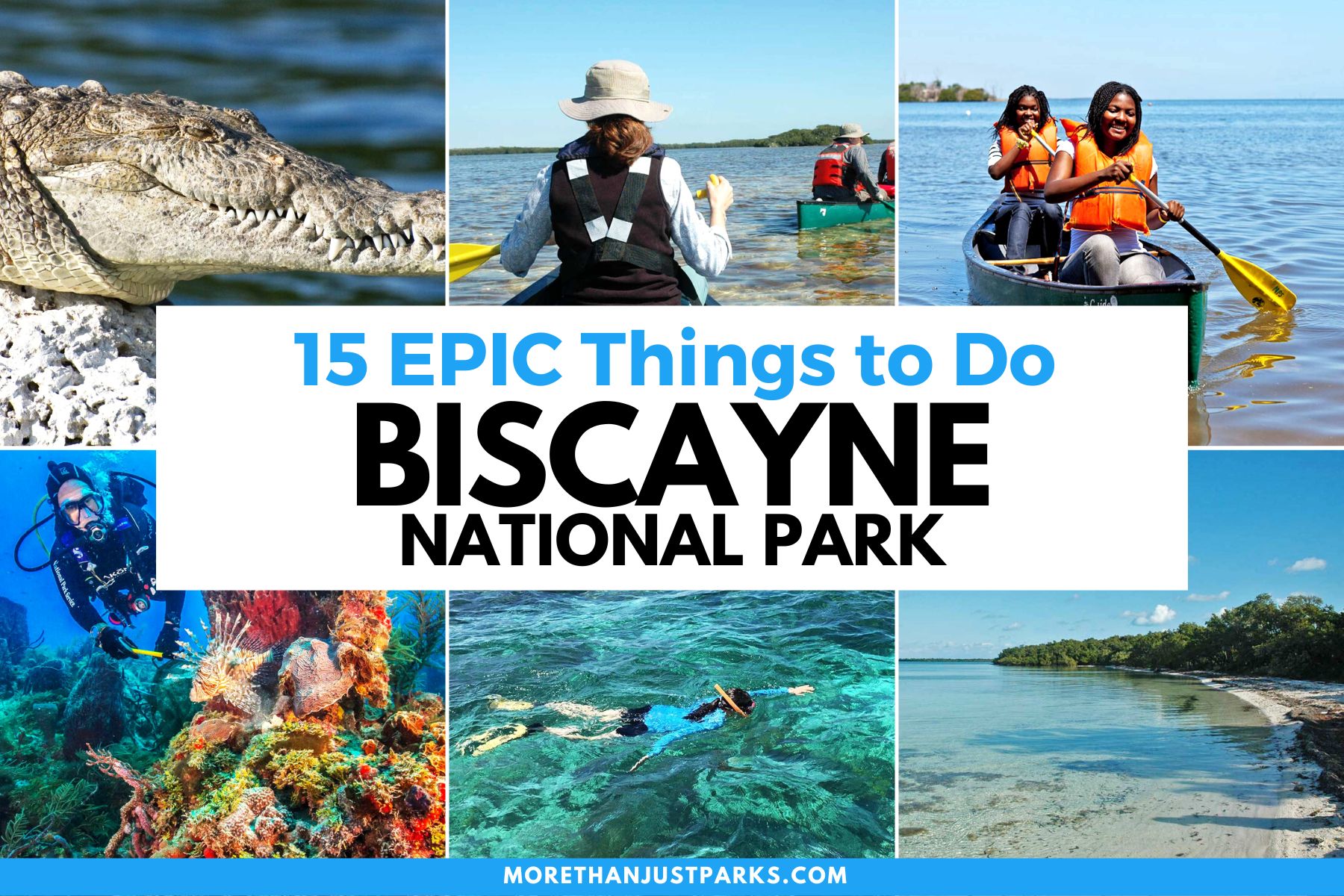
Biscayne National Park sits just 20 miles south of downtown Miami, yet it feels like another world. More than 95 percent of the park is underwater, protecting the northernmost living coral reefs in the continental United States along with clear blue bay, mangrove shoreline, and a string of barrier islands called keys. It is one of the few national parks where the main attractions are reached only by boat, and where snorkeling a reef matters more than any hiking trail.
That water-first nature is what makes Biscayne special, and what catches first-timers off guard. You cannot drive to the reefs, the shipwrecks, or the island campgrounds. The mainland visitor center at Convoy Point gives you a taste, but the real park requires a boat, whether your own, a tour, or a rental. Here are 15 things worth doing, with the logistics that decide what is possible.
15 Things to Do in Biscayne National Park
1. Snorkel or dive the coral reefs

The reefs are the reason Biscayne exists. The park protects the northern end of the Florida Reef, the only living barrier reef in the continental U.S., with brain coral, sea fans, parrotfish, angelfish, and the occasional sea turtle or nurse shark. The easiest way out there is a snorkel or dive trip with the park’s authorized concessioner, the Biscayne National Park Institute, which runs half- and full-day trips from Convoy Point when weather and demand allow. Book ahead, especially in the calm summer season when visibility is best.
2. Paddle Biscayne Bay

You do not need a powerboat to get on the water. The shallow, sheltered bay near Convoy Point is ideal for kayaking and stand-up paddleboarding through seagrass flats and along the mangrove shore, where you may spot rays, juvenile fish, and wading birds. The Institute runs guided paddles, or you can launch your own craft. Watch the wind and tides and stay close to shore unless you are experienced, because the open bay can get choppy fast.
Love Biscayne? It's one of 117 threatened public lands destinations we're tracking. Get the free briefing.
3. Dive the Maritime Heritage Trail
Biscayne has its own underwater trail, the Maritime Heritage Trail, a set of six historic shipwrecks scattered across the park, several with mooring buoys and underwater interpretive plaques. Wrecks span from a 19th-century sailing ship to a steel-hulled freighter, now encrusted in coral and alive with fish. Most require a boat and decent conditions, and some are better for divers than snorkelers. It is one of the only places where you can explore American history while floating above it.
4. Camp on an offshore key near Miami

Two of the park’s islands, Elliott Key and Boca Chita Key, have boat-in campgrounds, a rare chance to sleep on a Florida island within sight of the Miami skyline. Both have basic facilities, and you need your own boat or a ride from a charter to reach them, since there is no shuttle. Nights bring sea breezes, stars over the water, and the lights of the city across the bay. Pack everything in and out, and bring far more water than you think you need.
5. Paddle Jones Lagoon
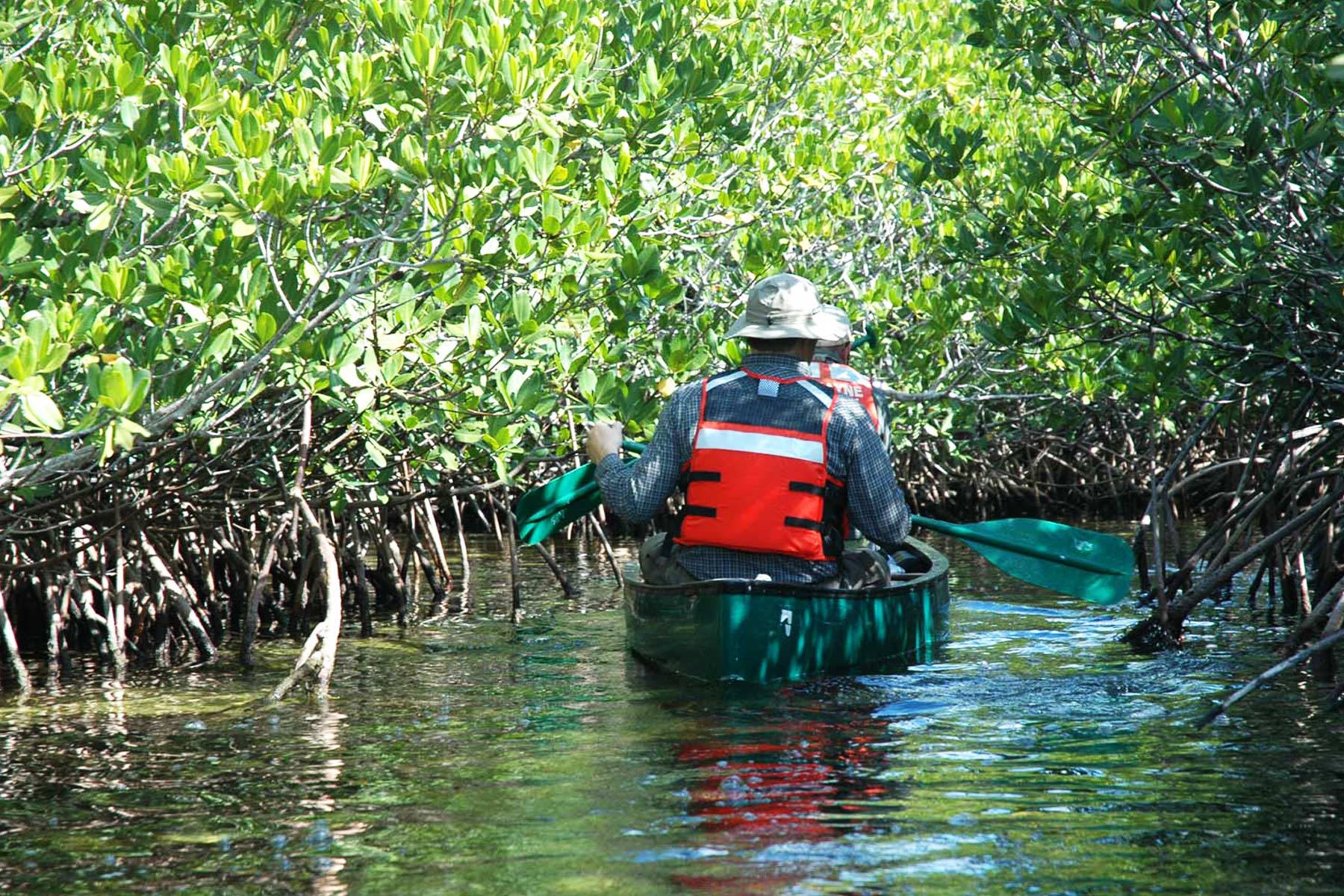
Jones Lagoon, in the southern part of the park, is a shallow, glassy mangrove lagoon often called one of the most beautiful spots in Biscayne. The clear water teems with juvenile sharks, rays, upside-down jellyfish, and wading birds, easily seen from a paddleboard or kayak. Because it sits far from Convoy Point, the most reliable way to visit is a guided Institute trip that ferries you and your paddle craft out. The reward is a serene, wildlife-rich pocket most visitors never see.
6. Visit the Boca Chita Key lighthouse
Boca Chita Key is the park’s most charming island, a former private retreat built in the 1930s by a wealthy industrialist, complete with an ornamental stone lighthouse. You can climb the lighthouse for a sweeping view over the bay and the city skyline when a ranger is present to open it. The island has a small harbor, picnic areas, and a campground. It is reached only by boat, and a tour or your own vessel is the way in.
7. Go birdwatching across the park

The mix of bay, mangrove, and island habitat makes Biscayne a strong birding destination. Roseate spoonbills, brown pelicans, ospreys, frigatebirds, herons, and egrets are common, and the park lies along major migration routes that bring warblers and shorebirds through in spring and fall. You can watch from the shore at Convoy Point or from a boat among the keys. Early morning is best, and a pair of binoculars sharpens the whole experience.
8. Walk the Convoy Point Jetty Trail
If you are staying on the mainland, the short Jetty Trail at Convoy Point is the main land-based walk in the park. The paved path runs out along a jetty beside the bay, with views across the water toward the keys and good chances to spot fish, manatees, and birds from shore. It is flat, easy, and free, making it the right stop for anyone without a boat or with limited time. Bring sun protection because there is little shade.
9. Look for manatees
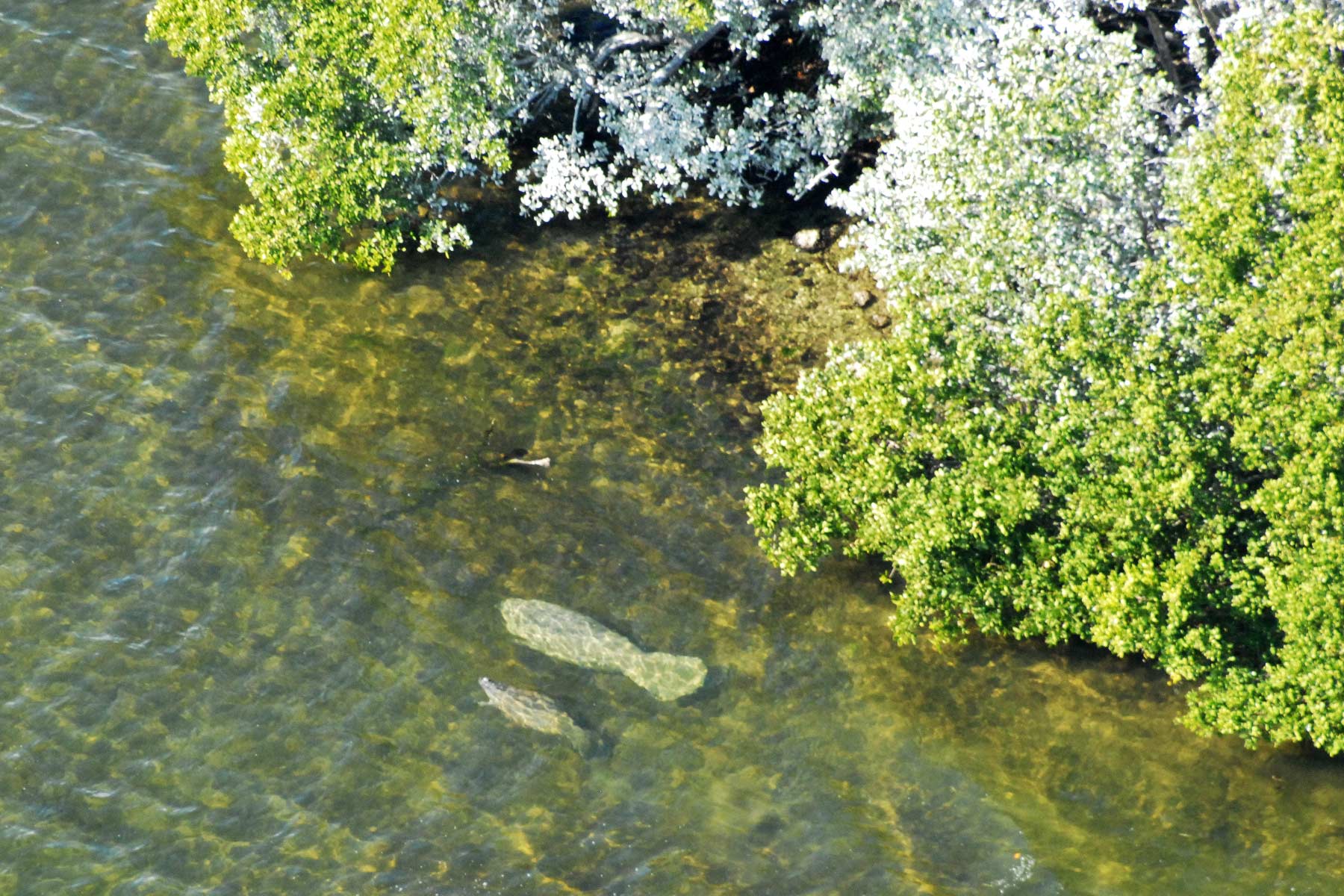
West Indian manatees frequent the warm, shallow waters of Biscayne Bay, especially in the cooler months when they seek out warmer pockets. Patient watchers often spot them from the Convoy Point jetty, from a kayak, or on a boat tour, surfacing slowly to breathe. Keep your distance, never feed or chase them, and idle your boat in manatee zones. Seeing one of these gentle, slow-moving giants up close is a quiet thrill.
10. Hike the length of Elliott Key
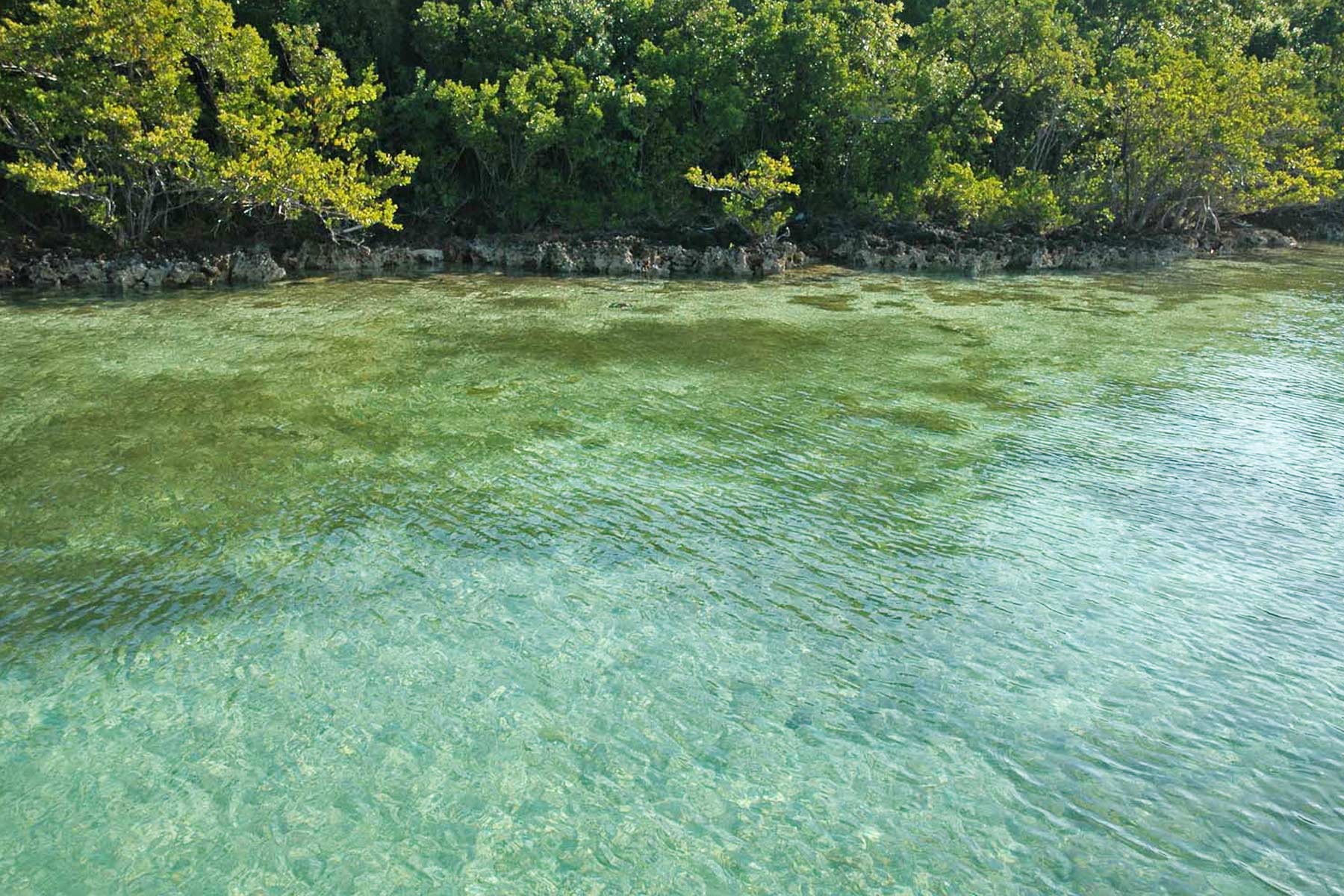
Elliott Key is the largest island in the park and the first of the true Florida Keys. A rough hiking trail, the old roadbed sometimes called Spite Highway, runs the length of the island through dense tropical hardwood hammock, a chance to walk a Keys forest of gumbo limbo, mahogany, and wild lime. There is a harbor, a visitor area, and a campground at the north end. You will need a boat to get there, and bug protection once you do.
11. Take in the tropical plant diversity

Above the waterline, Biscayne protects rich tropical and subtropical plant communities found in few other U.S. parks: dense mangrove forests that buffer the coast and nurse young fish, and hardwood hammocks on the keys full of Caribbean species at the northern edge of their range. The mangrove shoreline here is one of the longest stretches of undeveloped coast left in southeast Florida. Paddling the edges or walking a key trail is the best way to appreciate it.
12. Dig into Biscayne’s pirate and shipwreck history

These waters have a long human history. The reefs that draw snorkelers today wrecked countless ships over the centuries, and the keys sheltered pirates, wreckers, smugglers, and pineapple farmers. The visitor center exhibits and ranger programs tell these stories, and the Maritime Heritage Trail lets you visit the wrecks themselves. It is a reminder that this beautiful, dangerous coast shaped South Florida long before Miami existed.
13. Cast for saltwater game fish

Biscayne is a renowned saltwater fishery. The flats hold bonefish, permit, and tarpon prized by fly anglers, while the channels and reefs produce snapper, grouper, and more. A valid Florida saltwater fishing license is required, and park-specific regulations and protected zones apply, so check the rules before you fish. Many anglers hire a local guide who knows the flats. The combination of healthy water and proximity to a major city is rare.
14. Spot an American crocodile

South Florida is the only place in the United States where American crocodiles live, and Biscayne’s mangrove shorelines are prime habitat for this rare, shy reptile. Unlike the freshwater-loving alligator next door in the Everglades, the crocodile favors brackish and salt water. Sightings take luck and patience, often from a boat near a quiet mangrove edge. Spotting one is a genuine highlight and a sign of a healthy coastal ecosystem.
15. Start at the Dante Fascell Visitor Center
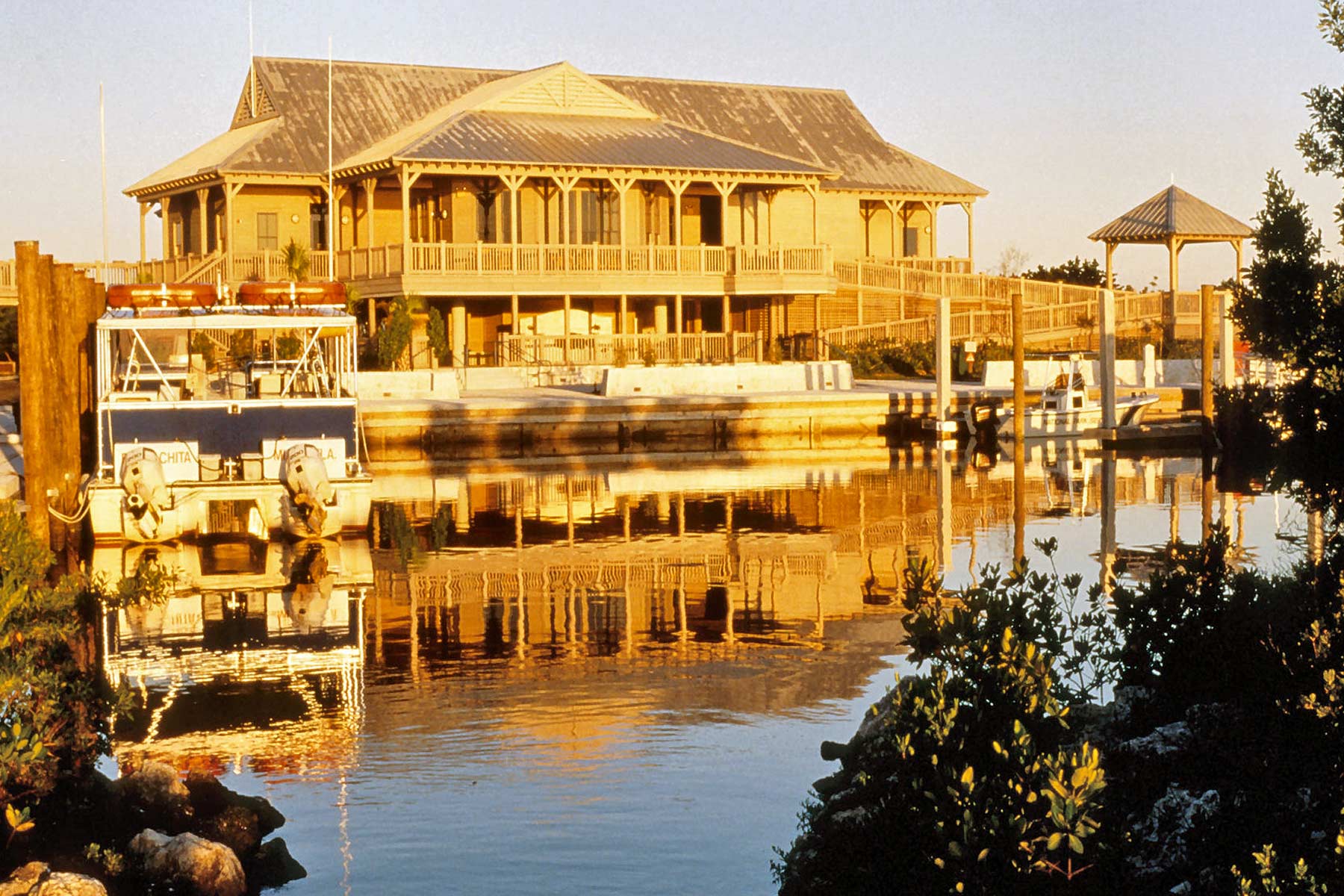
The Dante Fascell Visitor Center at Convoy Point is the only part of the park you can drive to, and it is where every visit should begin. It has exhibits and a gallery, a film, ranger programs, the jetty trail, and picnic areas, plus the office of the Biscayne National Park Institute where you can book boat and snorkel tours on the spot if space allows. Stop here for the day’s conditions, the program schedule, and the lay of a park that is mostly out of sight beneath the water.
Biscayne at a Glance
| Detail | What to know |
|---|---|
| Entrance fee | None. Biscayne is one of the few national parks with no entrance fee. Tours and camping have their own costs. |
| Getting around | Over 95% of the park is water, reached only by boat. The mainland Convoy Point area is the only drive-up access. |
| Tours | The Biscayne National Park Institute, the authorized concessioner, runs snorkel, dive, paddle, and sightseeing trips from Convoy Point. Book ahead. |
| Camping | Boat-in only, on Elliott Key and Boca Chita Key. No shuttle; bring your own boat or arrange a charter. |
| Visitor center | Dante Fascell Visitor Center at Convoy Point, the only road-accessible site. Start here. |
| Best season | Calm summer waters give the clearest snorkeling visibility; winter is cooler and breezier with better manatee odds. |
Planning Your Biscayne Visit in 2026
The single biggest planning decision at Biscayne is how you will get on the water, because almost everything good is offshore. If you do not have a boat, the simplest path is booking a snorkel, paddle, or sightseeing trip with the Biscayne National Park Institute well in advance, since trips fill and run only when conditions allow. If you only have a couple of hours or no boat at all, the Dante Fascell Visitor Center, the Jetty Trail, and the picnic areas at Convoy Point still make a worthwhile mainland visit, and they are free.
A few 2026 realities: weather rules everything here, and tours can be canceled for wind or sea state, so build in flexibility and have a backup day if you can. Summer brings the calmest water and best snorkeling visibility but also heat, storms, and mosquitoes on the keys, while winter is cooler and breezier but better for spotting manatees. Whatever the season, carry sun protection, plenty of water, and bug spray, and check current conditions and tour availability before you go.
For more, see our deeper dive into Biscayne National Park facts, our guide to the national parks in Florida, and the neighboring things to do in Everglades National Park.
What to Bring to Biscayne
Gear we recommend for Biscayne. Affiliate links support our work at no cost to you.
More Than Just Parks may earn a small commission from purchases made through these links, at no extra cost to you. We only recommend gear we would actually use.
Affiliate disclosure: Some links on this page earn us a small commission at no extra cost to you. We only recommend gear we actually use.


