


I’ve photographed some remote spots in the national park system, but paddling a kayak across open Caribbean water to reach a tiny uninhabited island surrounded by reef was a first for me. Whistling Cay, a small rocky island off the north shore of St. John in Virgin Islands National Park, is one of those places that most visitors to the island never see.
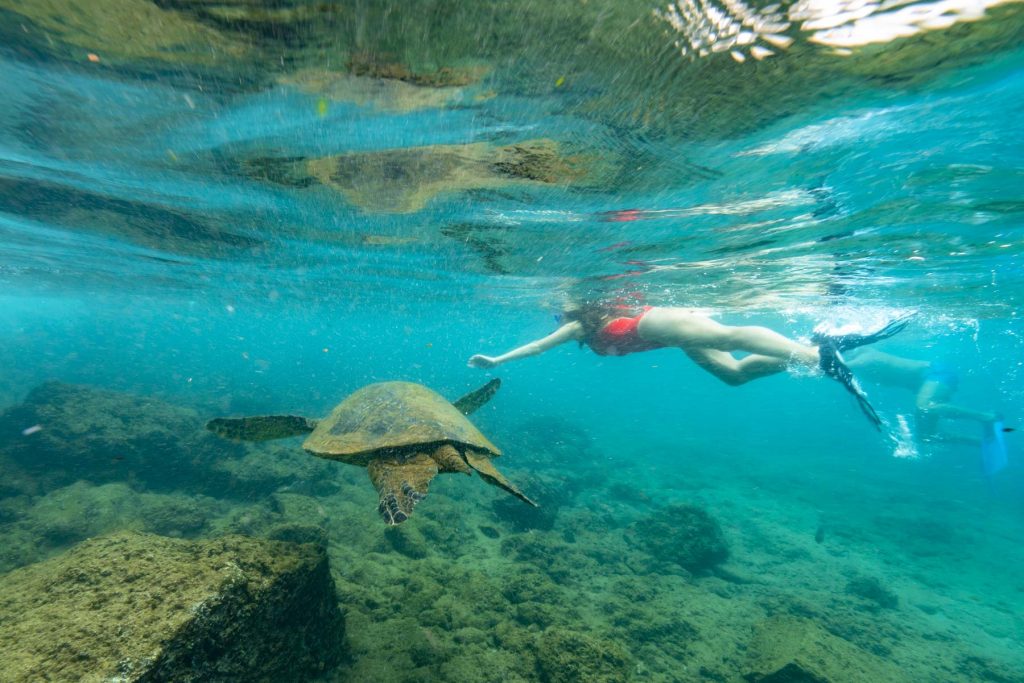
That’s a shame, because the snorkeling around this cay is some of the best in the entire park. Healthy coral formations, nurse sharks cruising the shallows, green sea turtles, spotted eagle rays, and fish in colors I didn’t know existed. All accessible by a 20-minute kayak paddle from Maho Bay.
Here’s everything I know about visiting Whistling Cay, based on two trips and one very sunburned set of shoulders.
What Is Whistling Cay?
Whistling Cay is a small, uninhabited island sitting roughly a quarter mile off the north coast of St. John. The cay itself is about 4 acres of rocky terrain topped with scrubby vegetation, the ruins of an old customs house, and not much else. There’s no dock, no facilities, and no shade to speak of.
The appeal isn’t the island itself. It’s what’s under the water around it.
The cay sits in the middle of a coral reef system that supports an extraordinary diversity of marine life. On my first visit, I counted at least 4 green sea turtles, 2 nurse sharks, and more species of tropical fish than I could identify. The water clarity was easily 40+ feet, which made the whole experience feel like floating inside an aquarium.
The island is visible from Maho Bay, and on any given day you can see it from the beach, sitting out there like a little green bump on the horizon. Most folks look at it and think “huh, that’s neat” and go back to their beach towels. The ones who paddle out there are rewarded with one of the best snorkeling experiences in the Virgin Islands.
How to Get to Whistling Cay
Whistling Cay can only be reached by water. There’s no bridge, no ferry, and no trail. The most popular and affordable option is renting a kayak from Maho Bay.
Kayaking from Maho Bay
A local outfitter called Reef2Peak operates kayak rentals directly on Maho Bay beach. They accept both cash and card, and the rental process is straightforward. You show up, grab a kayak, and paddle.
The paddle from Maho Bay to Whistling Cay takes about 20 minutes in calm conditions. The water between the beach and the cay is shallow enough in many spots that you can see the bottom the entire way. I watched sea turtles and rays pass beneath my kayak during the crossing, which was pretty incredible.
A few things to know about the paddle. The water can get choppy in the afternoon when the trade winds pick up, so morning is the best time to go. If you’re not a strong paddler, consider going with a partner in a tandem kayak. And bring water. There’s no shade on the cay and no place to buy anything.
Maho Bay itself is a 20-minute drive from Cruz Bay where the main island ferry lands.
By Boat Charter
Several charter boat operators on St. John include Whistling Cay as a snorkel stop on their itineraries. This is the easier option if you don’t want to paddle, though it’s significantly more expensive. The advantage is that a charter captain knows exactly where the best snorkeling spots around the cay are located.

Best Time to Visit Whistling Cay
Morning. Without question.
The trade winds in the Virgin Islands typically pick up around midday and can make the paddle back to Maho Bay significantly harder in the afternoon. I’ve experienced this firsthand, and fighting a headwind in a kayak after 2 hours of snorkeling is not my idea of a good time.
Plan to be on the water by 9:00 AM. The earlier you go, the calmer the water, the better the visibility for snorkeling, and the fewer people you’ll encounter. On my February visit, I had the entire cay to myself for over an hour.
Seasonally, December through April offers the best conditions. Lower humidity, minimal rain, and calm seas. Summer months work fine too, but expect afternoon rain showers and higher humidity.
Snorkeling at Whistling Cay
This is the main event, and it’s genuinely outstanding.
The reef system around Whistling Cay is healthier and more diverse than most snorkel spots on St. John. The south side of the cay (the side facing Maho Bay) tends to have calmer water and is the better option for less experienced snorkelers. The north side has stronger currents but more dramatic underwater terrain.
During my two visits, I spotted green sea turtles, nurse sharks (they’re harmless, in case that word made your stomach drop), spotted eagle rays, barracuda, blue tangs, parrotfish, and several species I had to look up later. The coral formations include brain coral, elkhorn coral, and sea fans that sway in the current.
If you’ve only snorkeled at Trunk Bay, Whistling Cay will feel like a completely different level. Trunk Bay is great for beginners with its underwater trail, but the reef around Whistling Cay is wilder and less trafficked.
Bring your own snorkel gear if possible. If you don’t have any, the rental shop at Maho Bay can set you up.
Same rule applies here as everywhere in the park. Do not touch the sea turtles. It’s a federal felony under the Endangered Species Act. Keep your distance and enjoy the show.
Kayaking Tips for the Crossing
I’m not going to pretend I’m an expert kayaker. But I’ve done this crossing twice now, and I picked up a few things worth sharing.
First, the distance. It’s about a quarter mile from Maho Bay to Whistling Cay. In calm water, that’s a 15-20 minute paddle. Not far at all. But the Caribbean isn’t always calm. The trade winds pick up most afternoons, and when they do, the chop can make the return trip significantly harder. On my second visit, the wind kicked up while I was snorkeling, and the paddle back felt twice as long as the paddle out.
Second, watch the current near the cay. There’s a channel between Whistling Cay and the north shore of St. John where the current can run faster than you’d expect. Stay on the south side of the cay when you approach to avoid getting pulled through the channel.
Third, landing on the cay requires some care. The shoreline is rocky, not sandy. Pull your kayak up onto the rocks and secure it so it doesn’t drift. I saw an unattended kayak start floating away from the island on my first visit. The owner had to swim for it. Not ideal.
Fourth, consider a tandem kayak if you’re going with someone else. They’re more stable in chop and easier to manage when one person wants to stop and photograph something (which you will, because the views from the water are stunning).
What to Bring for a Whistling Cay Trip
Whistling Cay has zero amenities. No shade structures, no bathrooms, no water, no snack shack. You need to be self-sufficient for however long you plan to be out there.
Reef-safe sunscreen. The Virgin Islands have banned sunscreens containing reef-damaging chemicals. Bring reef-safe formula and reapply often. I burned through the back of my rash guard on my first trip because I didn’t reapply after swimming.
A rash guard. Doubles as sun protection and keeps you comfortable during long snorkel sessions. I won’t snorkel without one anymore.
Plenty of water. At least 1 liter per person, more if you’re going during summer months. Dehydration sneaks up on you fast when you’re exerting yourself on the water.
Snorkel gear. Mask, snorkel, and fins at minimum. The fins make a real difference when you’re swimming against current on the north side of the cay.
A dry bag. Essential for keeping your phone, wallet, and car keys safe in the kayak. A wave over the side of a kayak can ruin your day if your electronics aren’t protected.
The Ruins on Whistling Cay
If you climb up onto the cay itself (which is doable but involves scrambling over rocks), you’ll find the remains of an old Danish customs house. During the colonial era, Danish authorities used this outpost to monitor ships passing through the channel and collect duties on goods being transported between islands.
The ruins are modest, just some crumbling stone walls and foundations, but the history is fascinating when you consider that this tiny speck of rock once played a role in Caribbean trade routes. Combined with sites like the Annaberg Plantation Ruins and America Hill Ruins on the main island, the colonial history woven throughout Virgin Islands National Park adds a layer of depth that most national parks don’t have.
Whistling Cay vs. Waterlemon Cay
St. John has two cays that are popular snorkel destinations, and folks often ask me which one to prioritize. Waterlemon Cay is located off the northeast shore of the island near the Leinster Bay trailhead. Unlike Whistling Cay, you reach Waterlemon by swimming rather than kayaking, which means you don’t need to rent anything.
Both cays offer excellent snorkeling. Waterlemon tends to have more consistent sea turtle sightings and is probably better for beginners since the swim is shorter and the water is generally calmer. Whistling Cay has more dramatic coral formations and the kayak journey itself is part of the adventure.
If you only have time for one, Waterlemon is the easier and more accessible option. If you want more of an expedition and better coral, go with Whistling Cay. If you have two days on the island (which you should), do both.
Whistling Cay After Hurricane Maria
Hurricane Maria devastated St. John in September 2017. The hillsides were stripped of vegetation, buildings were destroyed, and the island’s tourism economy took years to recover.
The reef systems around Whistling Cay suffered some damage but have shown remarkable resilience. Coral recovery is ongoing, and the marine life is thriving. On my post-hurricane visits, the snorkeling felt every bit as good as what I’d experienced before.
All of our photos show the park in its current, post-hurricane condition.
Other Spots Worth Visiting on St. John
If you’re making the trip to Whistling Cay, you’re already at Maho Bay, which is one of the best beaches on the island. Here’s what else I’d add to your itinerary.
Maho Bay itself deserves a full morning or afternoon. The sea turtle sightings here are the most reliable on the island. I’ve never visited Maho Bay and not seen at least one turtle.
Trunk Bay has the famous underwater snorkel trail and is the most photographed beach in the park.
Francis Bay is a quieter alternative with good birding along the boardwalk trail.
Waterlemon Cay is another snorkel-by-swim destination with excellent reef. The access point is a short hike from the Leinster Bay trailhead.
Annaberg Ruins are the best-preserved sugar plantation ruins in the park. Worth a stop on your way to or from Maho Bay.
Getting to Virgin Islands National Park
Fly into Cyril E. King Airport (STT) on St. Thomas. From there, catch a ferry to St. John from either Red Hook (20-minute ride, runs roughly every hour) or Charlotte Amalie (longer ride, closer to the airport). The ferry costs $20 per adult each way.
Rent a car on St. John or bring one over on the barge from St. Thomas. The park has no shuttle system, so having your own vehicle is the best way to get around. Just remember that they drive on the left side of the road here, in left-hand-drive American cars. It’s weird for about 10 minutes.
For the full breakdown on getting here, where to stay, and what to see, check out our complete guide to Virgin Islands National Park.
Where to Stay
Visiting Virgin Islands National Park? Check out our guide to the top things to do in the park. Short on time? Here’s our favorite place to stay on St. John.
Experience Virgin Islands National Park in 8K
We spent weeks filming in Virgin Islands National Park to produce this 8K film. Swim with sea turtles, explore ancient jungle ruins, and soak in the beauty of one of the most stunning national parks in the system.


