
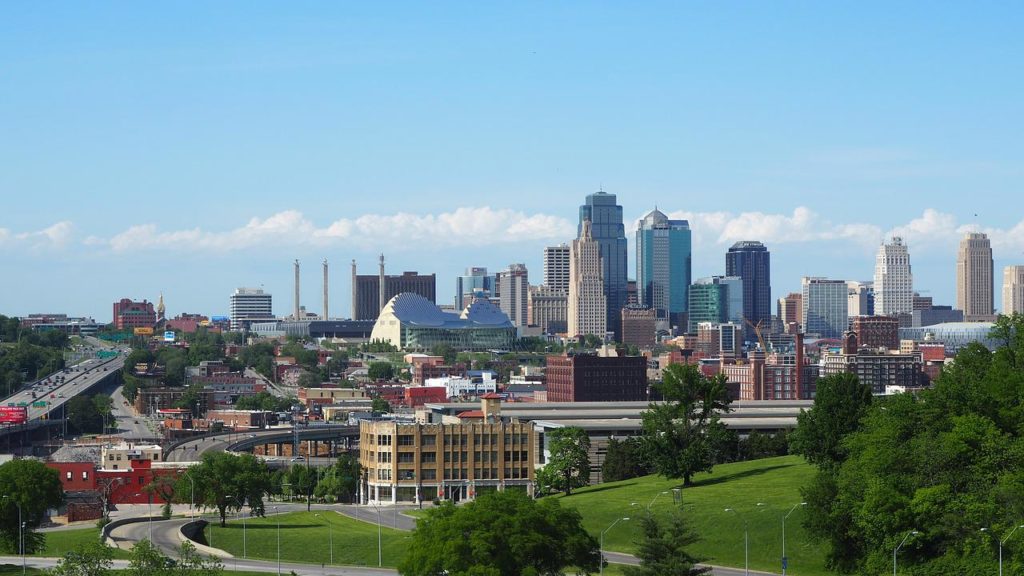
National Parks Near Kansas City! There’s so much more to the Show Me State than incredible barbecue and smooth jazz. In this article, More Than Just Parks is going to show you 6 exciting vacation destinations within a day’s drive of Kansas City.
I’ve been to so many of these amazing places since retiring from teaching in 2018. Did I mention that I taught history? I spent a lifetime teaching about the history behind these momentous sites. Then I got to see them firsthand. And now I’m sharing the stories of these incredible places with you. It doesn’t get any better than that!
Since the early 20th century, Kansas City has been synonymous with jazz. Today, those roots still run deep, the genre is as vibrant as ever, fueling more than 40 jazz and fine-dining venues every night of the week.
But it’s also home to some amazing national parks that are within a day’s drive (or less) of the city.
What Is A National Park?
We get asked that question a lot because there’s a difference between a “national park” and a “national park site.” To help you understand that difference you might want to check out our article titled: What Is A National Park Really?
If you’re planning a trip to Kansas City then there’s a book that I highly recommend you pick up. It’s A History Lover’s Guide to Kansas City (History & Guide) by Paul Kirkman.
Now let’s go ahead with 6 reasons why you’ll want to make a drive from Kansas City to one of these exciting places.

Table Of ContentsNear Kansas City
1. Brown V. Board Of Education National Historic Site
Distance From Kansas City: One hour & 4 minutes via I-70 W.
The Brown v. Board of Education National Historic Site is located in Topeka, Kansas. It commemorates the landmark U.S. Supreme Court case of Brown v. Board of Education.
The case was brought by a group of African American families who argued that segregation in public schools was inherently unequal and violated the 14th Amendment of the U.S. Constitution, which guarantees equal protection under the law.
The history of the case began in 1951 when a young African American girl named Linda Brown was denied enrollment in an all-white school near her home in Topeka.
Her father, Oliver Brown, along with a group of other African American families, sued the Topeka Board of Education, arguing that segregation in public schools was a violation of the 14th Amendment.
The Court Declared Segregation To Be Unconstitutional
The case was consolidated with similar cases from other states and became known as Brown v. Board of Education. The case was heard by the U.S. Supreme Court in 1954, and on May 17th of that year, the Court issued a unanimous decision declaring segregation in public schools to be unconstitutional.
The decision was a landmark moment in the Civil Rights Movement and has had far-reaching effects on the struggle for equality in the United States.
The Brown v. Board of Education National Historic Site was established in 1992 to commemorate the landmark case and to educate visitors about its significance in American history.
The site includes a museum that features interactive exhibits and educational programs, as well as the restored Monroe School, one of the all-black schools that was involved in the case.
Today, the Brown v. Board of Education National Historic Site is an important place of remembrance and reflection, and reminds us of the ongoing struggle for equality and justice in the United States.

10 BEST Civil Rights Sites In America
To Learn More
Believe it or not, I was one of those guys who sat in class taking notes and, when the professor threw out the name of what sounded like an interesting book, I not only wrote it down, I went out and purchased it. Yes, I am that guy which is why I ended up teaching history.
There’s a wonderful book about the landmark Supreme Court decision. Written by Richard Kluger, it’s titled Simple Justice: The History of Brown v. Board of Education and Black America’s Struggle for Equality. It’s a modern classic!
45 Best National Parks Books (Great Gifts For Park Lovers)
2. Fort Larned National Historic Site
Distance From Kansas City: Four hours & 23 minutes via I-70 W.
At under five hours from Kansas City, it’s still a trip that’s well worth making especially if you love history.
Fort Larned National Historic Site was established in 1859 as a military post to protect the Santa Fe Trail, which was an important trade route between Missouri and New Mexico. The fort was named after Colonel Benjamin F. Larned, who was serving in the U.S. Army at the time.
In the early years of the fort’s history, it was occupied by a variety of military units, including cavalry and infantry regiments. It was also used as a staging area for military campaigns against Native American tribes in the area.
During the Civil War, Fort Larned was occupied by Union troops who used it as a supply base for campaigns in the western territories. After the war, the fort was used as a base for frontier soldiers who were tasked with maintaining peace between settlers and Native American tribes.

The Fort Was Home To A Famous Civil War General
The fort was home to a diverse population, including soldiers, civilians, and Native Americans. The fort was also home to a number of notable figures, including General William T. Sherman, who served as the commander of the fort in the early 1860s.
In 1878, the fort was officially decommissioned and the buildings were sold to private individuals. However, several of the original buildings were preserved and are now open to the public as part of the Fort Larned National Historic Site.
Visitors can tour the restored buildings and learn about the history of the fort and the people who lived and worked there. The park also offers a variety of educational programs and special events throughout the year.
The fort is a National Historic Landmark and is open to the public year-round. Visitors can take a self-guided tour of the restored buildings and learn about the history of the fort and the people who lived and worked there.
6 GREAT Missouri National Parks
3. Fort Scott National Historic Site
Distance From Kansas City: One hour & 28 minutes via US-69 S.
Fort Scott National Historic Site was established as a military post in 1842. It was named after General Winfield Scott, who was the commanding general of the U.S. Army at the time.
The fort was established to help protect the frontier from Native American attacks and to serve as a supply depot for other military outposts in the area.
During the Mexican-American War, Fort Scott served as a training ground for soldiers and a staging area for troops headed to the southwestern frontier. After the war, the fort was abandoned and its buildings were used as a hospital and then as a boarding school for Native American children.
The fort was reactivated during the Civil War and served as a Union Army post, with soldiers stationed there to protect against Confederate raiders and to maintain control of the border states. After the war, the fort was once again abandoned and its buildings fell into disrepair.
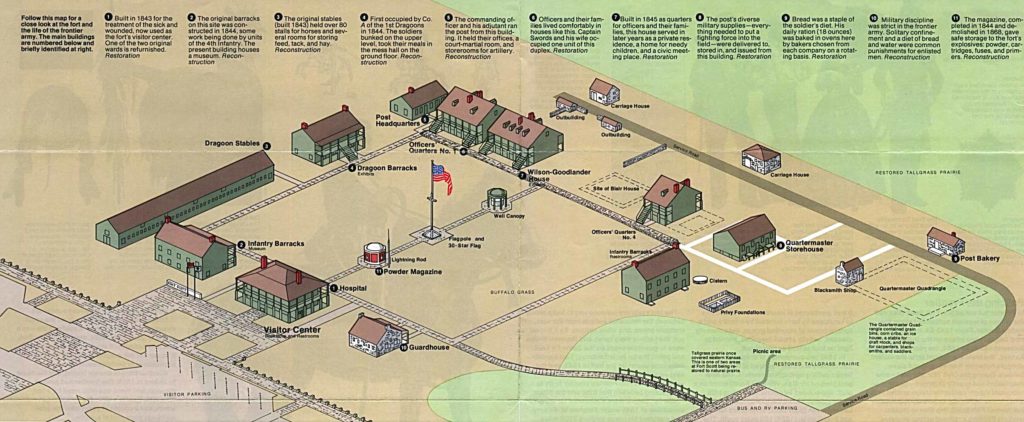
Fort Scott Today
In the late 19th century, some of the buildings at Fort Scott were restored and used as a military prison and later as a veterans’ home. In the 20th century, the fort was designated as a National Historic Site and became a museum dedicated to interpreting the history of the frontier military.
Today, visitors to Fort Scott National Historic Site can tour the restored buildings, including barracks, officer quarters, and a guardhouse, as well as learn about the history of the frontier army and the people who lived and served at the fort.
The site also features exhibits on the Civil War, the Mexican-American War, and the settlement of the American West.
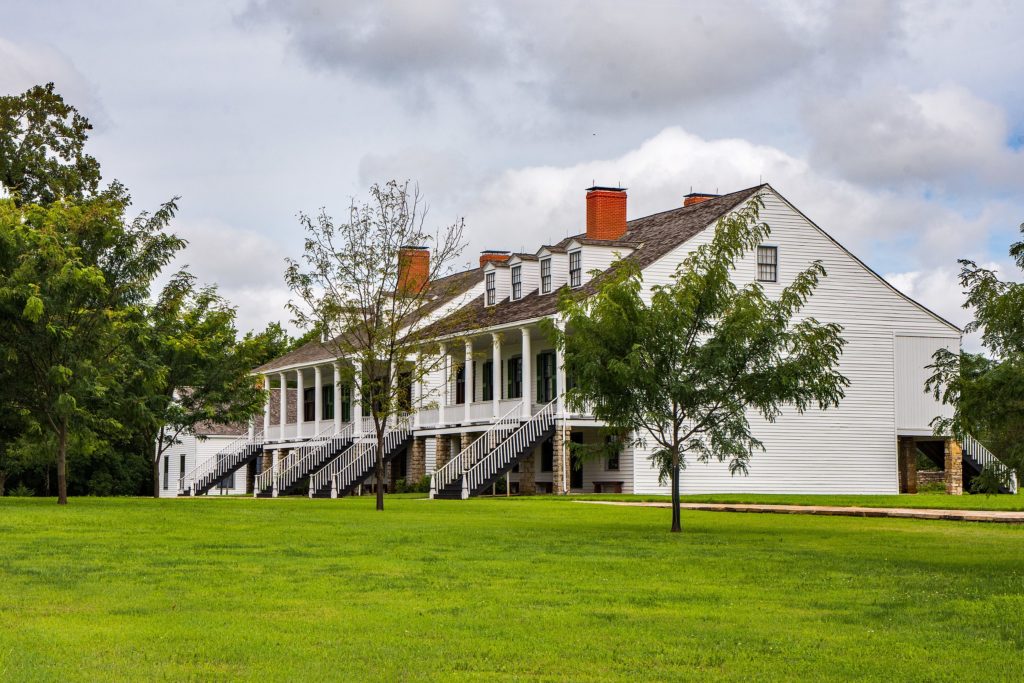
10 BEST Civil War Sites IN AMERICA
4. Lewis & Clark National Historic Trail
Distance From Kansas City: Two hours & 55 minutes via I-29 N.
The Lewis and Clark National Historic Trailfollows the historic outbound and inbound routes of the Lewis and Clark Expedition.
Commemorating the Lewis & Clark Expedition (1804-06), the Trail connects 16 states (Pennsylvania, Ohio, West Virginia, Kentucky, Indiana, Illinois, Missouri, Kansas, Nebraska, Iowa, South Dakota, North Dakota, Montana, Idaho, Washington and Oregon).
This trail is administered by the National Park Service. It’s not a hiking trail, but does provide opportunities for hiking, boating and horseback riding at many locations along the route.
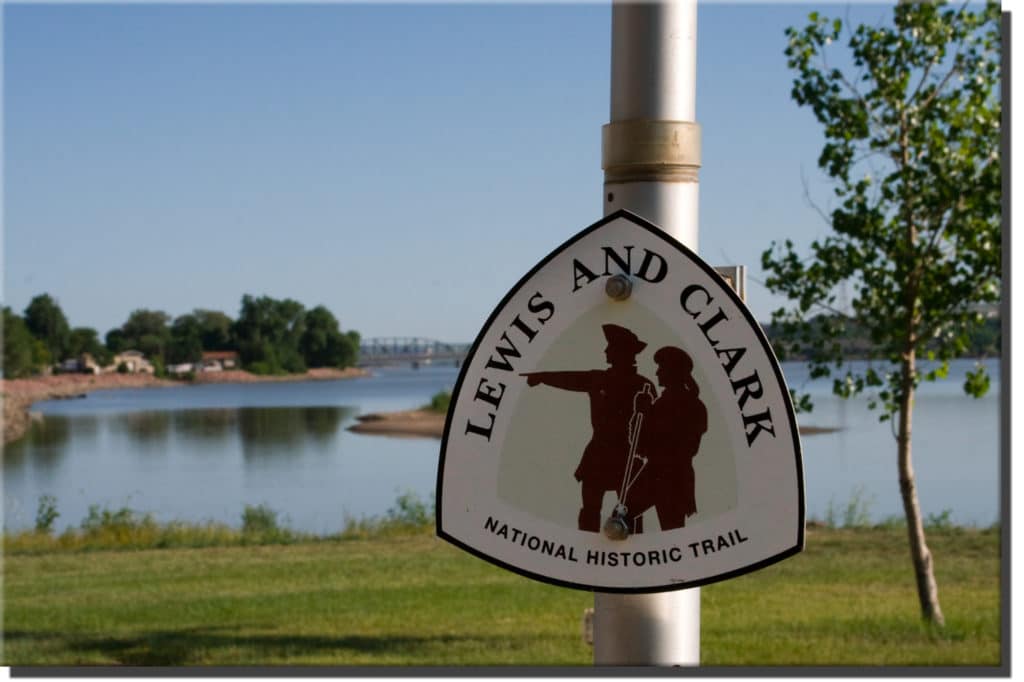
What Can I See In That’s Connected To This Historic Trail | Kansas National Parks
What can I see that’s connected to this historic trail? Excellent question. I recommend the Lewis and Clark Interpretive Pavilion. Located at White Cloud, Kansas, it describes the expedition’s passage through the area in 1804 and then again in 1806.
It’s a beautiful open-air pavilion located in Riverfront Park. It was constructed in preparation for the Lewis and Clark bicentennial Commemoration on July 3-4, 2004.
The pavilion contains an interactive touchscreen monitor and interpretive panels with information on the Lewis & Clark expedition, the Missouri River and the Kanza Nation.
While you’re there, I would also recommend a drive along the Frontier Military Historic Byway. It was originally built to move soldiers and supplies. If you travel it today, however, you’ll find various landmarks such as Fort Leavenworth and the John Brown Museum.

25 BUCKET-List Famous Landmarks In America
5. Nicodemus National Historic Site
Distance From Kansas City: Four hours & 39 minutes via I-70 W.
Nicodemus National Historic Site is dedicated to preserving the history of one of the first and largest settlements of African Americans in the American West. The town was founded in 1877 by a group of African Americans who had moved from the South in search of a better life and greater opportunities.
Nicodemus was established as part of the Exoduster Movement, which was a mass migration of African Americans from the South to the West following the end of the Civil War. The town was named after the biblical figure Nicodemus, who symbolized new beginnings and a fresh start for its settlers.
At its peak, Nicodemus was a thriving community with a school, churches, a newspaper, and various businesses. However, the town faced many challenges, including a harsh climate, limited resources, and economic hardship.
Despite these challenges, the residents of Nicodemus remained determined to make their settlement a success, and their efforts helped lay the foundation for other African American communities in the West.
Nicodemus In The 20th Century
In the 20th century, the town of Nicodemus declined as many residents moved to other areas in search of greater opportunities. In 1996, Nicodemus was designated as a National Historic Site to commemorate the story of the settlers and their efforts to build a new community in the West.
Today, visitors to the Nicodemus National Historic Site can tour the restored buildings and learn about the history of the town and the lives of its residents.
The site includes the Nicodemus Historical Society Museum, which features exhibits on the history of the town and its residents, as well as the First Baptist Church, which was one of the first African American churches in the West.
Visitors can also take a walking tour of the town to see the remaining structures and learn about the history of this important settlement.
10 Best Civil Rights Sites In America
6. Tallgrass Prairie National Preserve
Distance From Kansas City: Two hours & 3 minutes via I-35 S.
Once upon a time, tallgrass prairie once covered roughly 170 million acres of North America. It was the continent’s largest continuous ecosystem. It supported a huge quantity of plants and animals.
Of course, with the settlement of America, farmers discovered that prairie soils are outstanding for crop production. So, they plowed the prairie lands into oblivion for the production of wheat, corn and other crops.
What Tallgrass Remains
Today most of these grasslands are gone. What remains, however, located in the Flint Hills region of Kansas, is the Tallgrass Prairie National Preserve. It protects a small portion of these grasslands. It’s one of the rarest and most endangered ecosystems in the world.
The Tallgrass Prairie National Preserve was created by legislation passed on November 12, 1996. It created the 10,894 acre preserve to protect a sample of what was once a vast tallgrass prairie ecosystem.
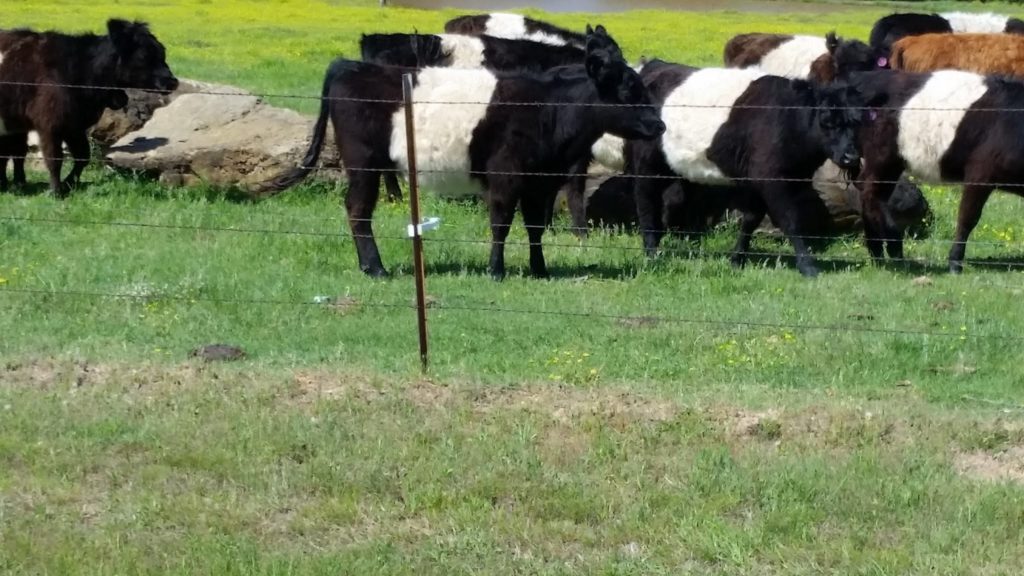
Stephen F. Jones & Enclosed Ranching
In addition to experiencing these magnificent tallgrasses, visitors can tour a restoration of cattleman Stephen F. Jones‘ ranch called Spring Hill Farm and Stock Ranch.
Stephen F. Jones was a pioneer in what was called “enclosed ranching” whereby cattle movements are limited by stone walls, fences or barbed wire. Because of his leadership, grasslands which would have otherwise been decimated were saved instead.
A National Historical Landmark District
In 1997, the Jones Ranch was designated a National Historical Landmark District. Today visitors can take tours of his 1881 limestone Second Empire house, the three-story limestone barn, and other outbuildings.
And, while you’re in town, I recommend you take a drive along the 47-miles of the Flint Hills National Scenic Byway on K-177. You’ll marvel at the breathtaking scenery. Just imagine a time when it covered 170 million acres of North America.
LIST OF 128 BEST U.S. MONUMENTS RANKED
In total, there are six national parks in Missouri. You probably already know about Gateway Arch National Park (previously known as Jefferson National Expansion Memorial).
Since the early 20th century, Kansas City has been synonymous with jazz. Today, those roots still run deep, the genre is as vibrant as ever, fueling more than 40 jazz and fine-dining venues every night of the week.
Why Trust Us About National Parks Near Kansas City?
We’re Jim Pattiz and Will Pattiz, collectively known as the Pattiz Brothers (and sometimes the Parks Brothers) and we absolutely LOVE the national parks.
You should probably know that we don’t just make this stuff up out of thin air. We’ve spent our entire adult lives exploring and filming America’s national parks and public lands.
We’ve worked with the National Park Service, the Department of Interior, USDA, and the U.S. Forest Service for years creating films on important places and issues. Our work has been featured in leading publications all over the world and even some people outside of our immediate family call us experts on the national parks.

Meet The Parks Brothers
- Brown V. Board Of Education National Historic Site
- Fort Larned National Historic Site
- Fort Scott National Historic Site
- Lewis & Clark National Historic Trail
- Nicodemus National Historic Site
- Tallgrass Prairie National Preserve
We Hope You’ll Follow Our Journey
Our goal here at More Than Just Parks is to share the beauty of America’s national parks and public lands through stunning short films in an effort to get Americans and the world to see the true value in land conservation.
We hope you’ll follow our journey through the parks and help us to keep them the incredible places that they are. If you’re interested in joining the adventure then please sign up below!