


From our experience filming and traveling across the country, we’ve driven just about every major scenic route in the national park system. What follows is a road trip guide built from the ground up on real knowledge of these roads.
Of all my outdoor experiences shared with you, this ranks as my favorite. Home means Nevada to me (IYKYK), and the desert skies blanketed with layers of stars, sparks of comets, and those elusive UFOs deserve the attention they area starting to get.
If you’ve ever wondered about Area 51, we’ll be driving right by there on this virtual Dark Sky Park road trip.
Table Of Contents: Dark Sky Park Road Trip
Table of contents: Dark Sky Park Road Trip
- 6 Quick Planning Tips for the Dark Sky Park Road Trip
- What is Astrotourism?
- What is a Dark Sky Park?
- The Park to Park in the Dark Road Trip
- How to Start the Dark Sky Road Trip
- Stargazing at Death Valley National Park
- WATCH: Death Valley Film
- Dark Sky Park Road Trip: Beatty to Tonopah
- Tonopah
- On the Road to Ely
- The Stargazing Fork in the Road
- Warm Springs to Ely on Dark Park Road Trip
- Ely Dark Sky Park Road Trip Stop Options
- Things to Do in Ely
- Baker: Gateway to Great Basin National Park
- Stargazing at Great Basin National Park
- Best Time for Park to Park in the Dark Road Trip
- Dark Sky Park Road Trip Return Trip
- Dark Sky Park Road Trip Final Stretch
- Helpful Related Links
6 Quick Planning Tips for the Dark Sky Park Road Trip
- You’ll pass plenty of public lands on the way. It makes sense to purchase the America the Beautiful Interagency Pass so you can get access to any location.
- This road trip redefines the word remote. You’ll spend hours on empty roads without passing another car. The longest stretch without gas stations spans 170 miles. Stock up with water, food, blankets, a first aid kit, a spare (inflated) tire, and flares for roadside assistance.
- The main Dark Sky Park Road Trip is on paved roads, but several off-roading options await in the desert. The average Corolla won’t be able to handle it. If you plan to go off-road, get a high-clearance four-wheel drive vehicle.
- Bring extra lights with you in the form of a red flashlight for stargazing and a black light to spot scorpions in the dark. For those taking photos with a mobile device, try this telescope that fits over the camera.
- The extremes of the desert mean everything from scorching hot daytime highs to chilly nights. Pack layers of clothing and bring a blanket. Mosquitoes are usually not a problem in the desert, but you might want an added lay of bug spray anyway. Sunscreen is a must for daytime activities.
- Those not used to the arid desert climate should apply lotion and lip balm often, with Vaseline or some type of lubricant in your nose to avoid nosebleeds. As someone who lived in the desert for decades, I tried just about everything out there. Forget the scented goodies and go with a deep moisturizing option like Nivea.
What is Astrotourism?
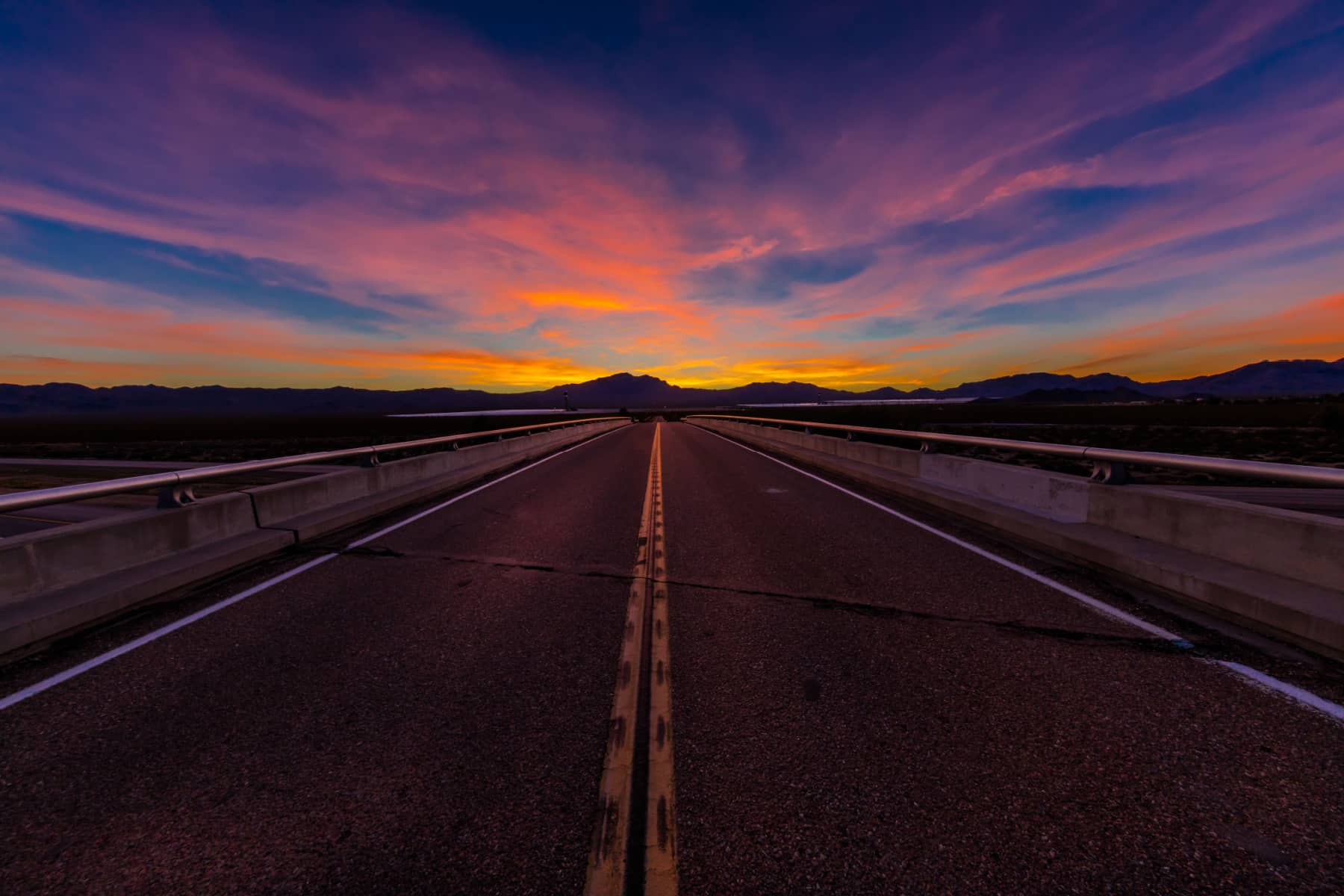
Astrotourism involves travel to destinations with exceptionally clear night skies for the purpose of stargazing or experiencing other astronomical phenomena. You want more than just seeing the stars; you want an immersive experience with stars wrapping around you like glitter.
Popular astrotourism destinations include deserts, mountains, and islands, as these locations typically have low levels of light pollution and unobstructed views of the night sky.
Some of the most popular activities for astrotourists include stargazing, meteor watching, aurora borealis (Northern Lights) viewing, and astronomy events.
But it’s more than that..
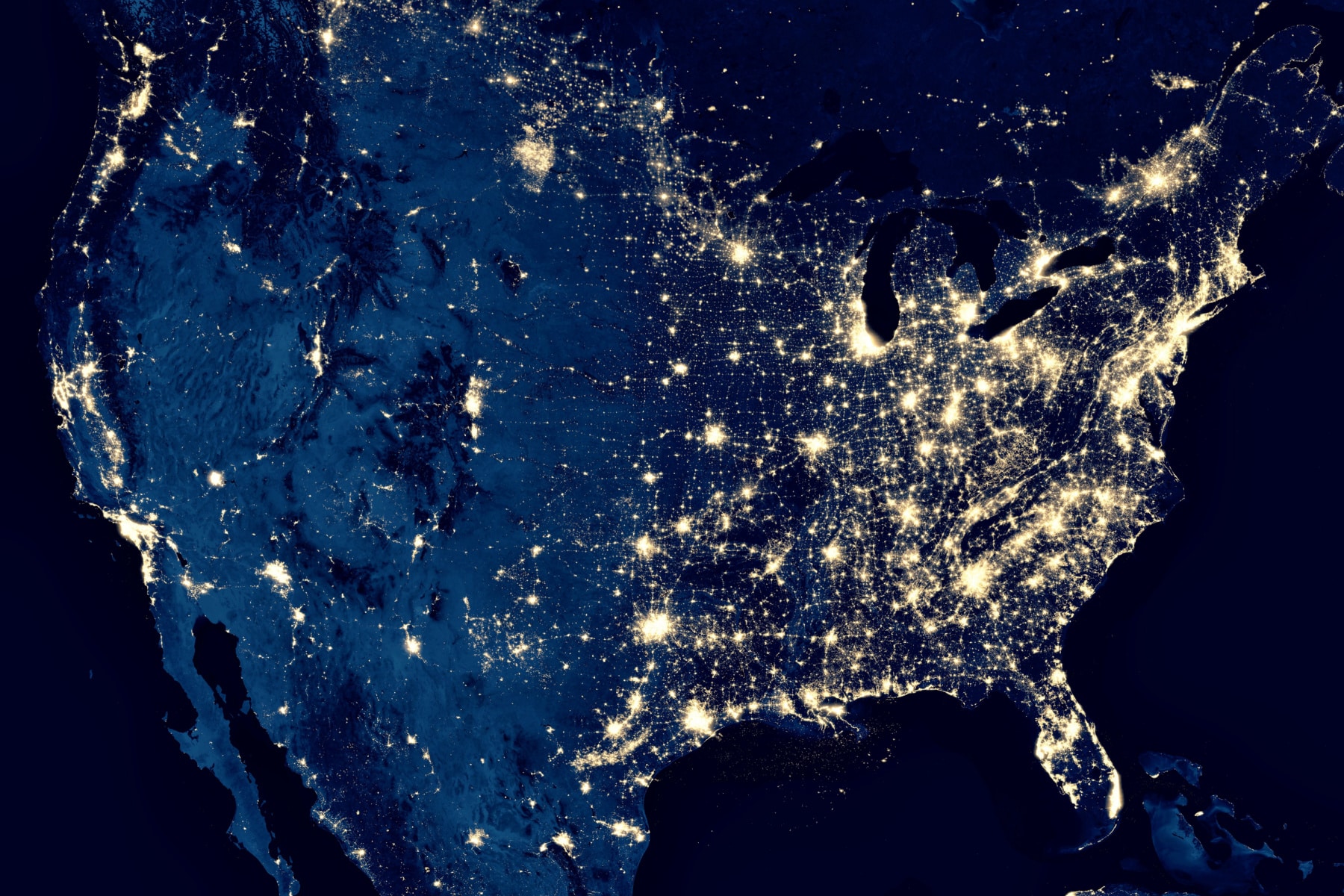
Reports vary but still offer a crushing statistic that anywhere from 80% to 99% of Americans either can’t see the Milky Way in the sky or live in a place affected by light pollution. Seeing the night sky through astrotourism or stargazing is a luxury requiring travel.
What is a Dark Sky Park?
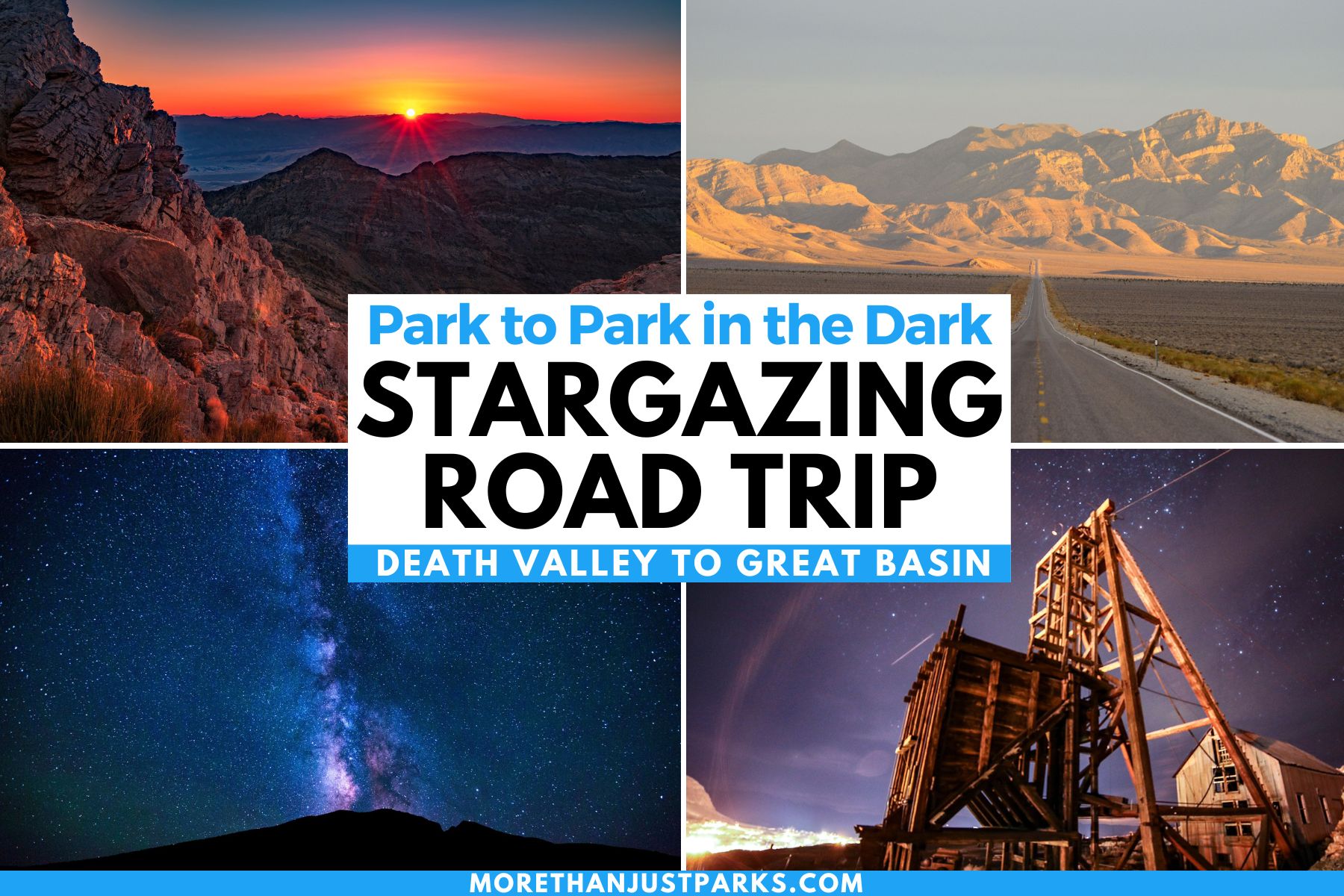
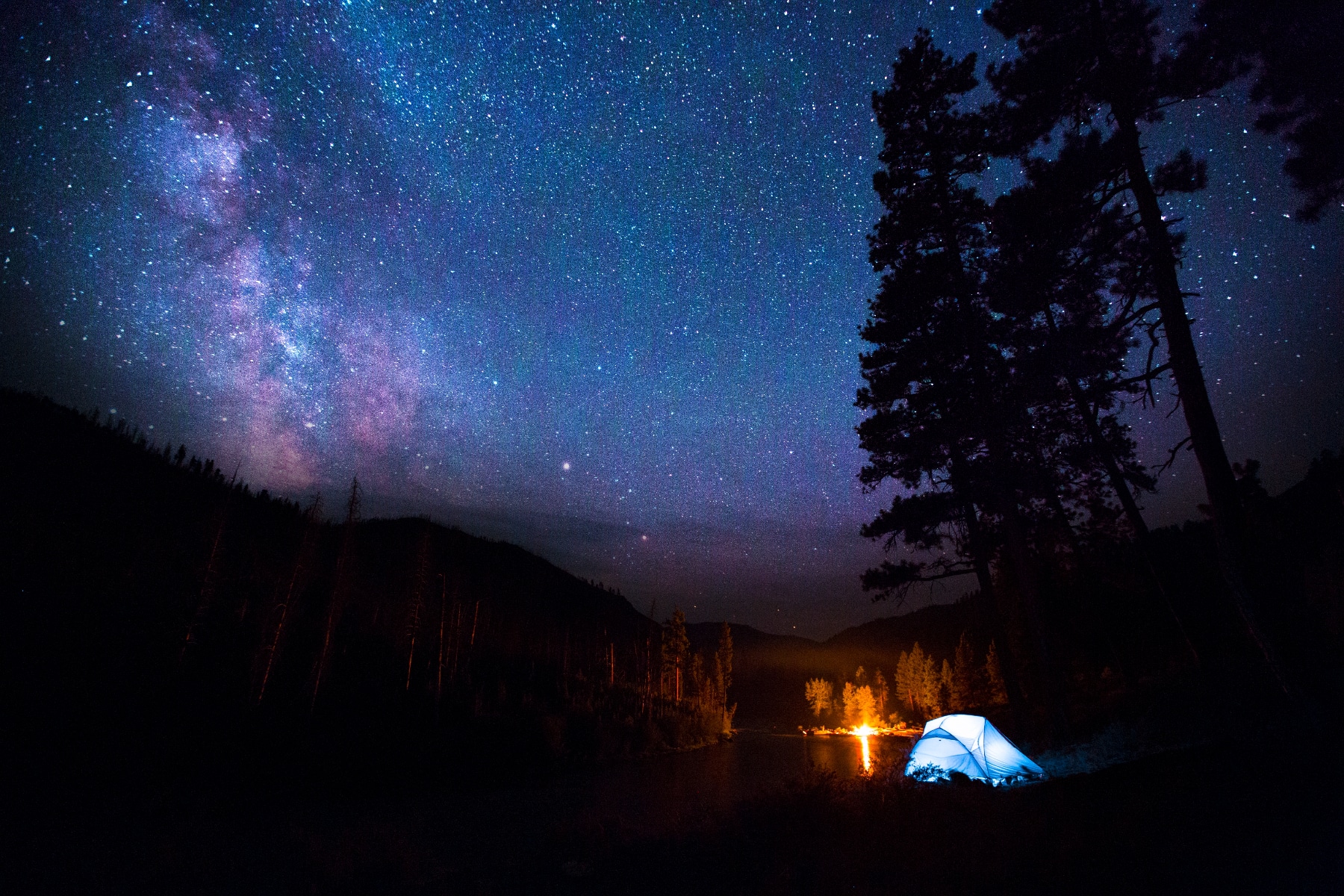
A dark sky park is a designated area that actively protects and preserves the quality of the night sky by minimizing light pollution. These areas offer incredible opportunities for stargazing and experiencing the natural night sky, something becoming increasingly rare in our light-saturated world.
Certain criteria need to be met to get the International Dark Sky designation.
- Restricted lighting: They have regulations and policies in place to control artificial light sources, often using shielded lights or requiring a downward direction to minimize upward light leakage.
- Natural environment: They are typically located in remote areas with minimal development, further reducing potential sources of light pollution.
- Public education: They promote the importance of preserving dark skies and educate visitors about the negative impacts of light pollution on wildlife, humans, and the astronomical experience.
- Designated viewing areas: Many parks offer dedicated spaces with minimal light interference, often equipped with information boards and telescopes for optimal stargazing.
On the Park to Park in the Dark stargazing road trip, the path goes through Death Valley National Park, which was designated as an International Dark Sky Park in 2013. Its vast arid landscapes and low elevation naturally offer exceptional darkness.
Great Basin National Park earned its title in 2016. This eastern Nevada national park’s remote location and high mountains contribute to its pristine night skies.
These designations recognize the parks’ efforts to preserve darkness and provide visitors with unforgettable celestial experiences.
The Park to Park in the Dark Road Trip
This map shows an overview of the Park to Park in the Dark road trip from Death Valley National Park to Great Basin National Park, with marked stop options in between.
How to Start the Dark Sky Road Trip
You can fly into Las Vegas’s Harry Reid International Airport (LAS), formerly known as McCarran International Airport. From there, rent a car and start driving toward Death Valley.
Red Rock Canyon offers an incredible outdoor experience, with surprising dark skies considering how close it is to Las Vegas. Take the scenic 13-mile drive; just be sure to get a timed entry permit.
My favorite stargazing spot is the Late Night Trail, along the “hump to Pahrump” in Cottonwood Valley. The drive from LAS to Pahrump takes an hour. Stop for supplies and gas up here. Death Valley National Park is the next stop, about another hour away.
A potential side trip could involve Ash Meadows National Wildlife Refuge, home to the endangered pupfish and the largest Mojave Desert oasis. Devil’s Hole, where the pupfish live, snows a small opening over a hole at least 500 feet deep in a series of winding and unchartered underwater caves.
STAR TIP: If you’re really into astronomy, reach out to the Las Vegas Astronomical Society. They host Star Parties at the top of Mount Potosi throughout the year.
Stargazing at Death Valley National Park
TRAVEL GUIDES: Death Valley National Park Overview | Things to Do in Death Valley | 1 to 3 Day Itinerary
The official western end of the Dark Sky Park road trip is Death Valley National Park. Despite the intimidating name, the beauty beyond the blistering head and the famous low point in the country offer lively activities.
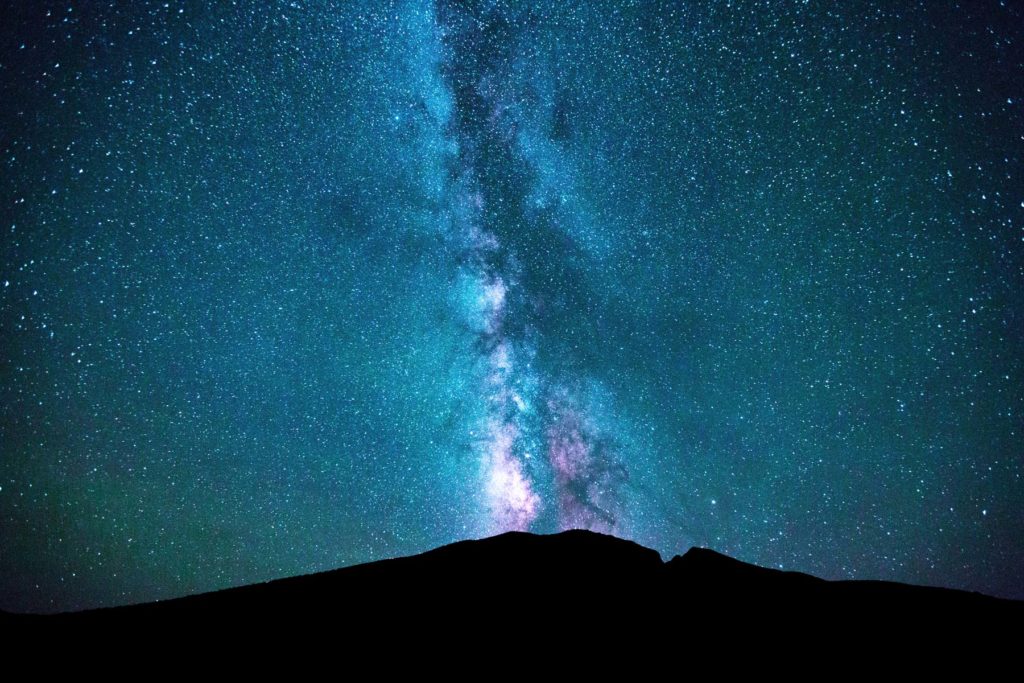
Death Valley has the title of a Gold Tier International Dark Sky Park, proof of its exceptional nighttime beauty. Unpolluted by artificial light, the heavens unfurl in their raw, splendor. The Milky Way, a swirling river of stars, paints the darkness with its luminous dust, while constellations like Orion and Scorpius etch their familiar shapes against the velvet backdrop.
The best stargazing locations in Death Valley National Park are as follows.
Caliente
Fans of Western author Zane Gray will recognize this town as Caliente inspired him time and time again. Impressive roses line the main drag through town, while outdoor trails lead in all directions. Five state parks are within 50 miles, and mountain bikers flock to this nook of Lincoln County.
Rock climbers can mix in stunning night skies with daytime climbing at Big Rocks Wilderness, nicknamed “The Mecca.” Plenty of big boulders make scrambling fun, too. Campsites and fire rings are available, but don’t expect amenities or facilities.
Dark Sky Park Road Trip Final Stretch
Less than 45 minutes west of Caliente is Crystal Springs and Hiko, where you can opt to take the southern leg of the ET Highway to Rachel.
However, Hiko is home to the Alien Research Center, so you still get a fill of UFO novelties. The center doubles as a stargazing spot. You’ll hear many conspiracy theories here, as one entrance to Area 51 is just 20 miles away. No, I’m still not going to tell you how to get there.
From there, you’re just 90 minutes until you’re back in Las Vegas, under the neon lights.
Pin Dark Sky Park Road Trip

Helpful Related Links
More Time in Vegas?: 9 BEST National Parks Near Las Vegas, Nevada (Helpful Guide + Photos)
Love Landmarks?: 15 MUST-SEE Las Vegas Landmarks (Expert Guide + Photos)
National Parks Near Nevada: 7 AMAZING Nevada National Parks to Visit (Photos + Helpful Guide)
Historic Sites in Nevada: 10 MUST-SEE Historic Sites In Nevada (Guide + Photos)
Best National Parks Ranked: ALL 63 Us National Parks RANKED By Experts
Free Downloadable National Parks Map & List: LIST & MAP of National Parks By State (+ Printable Checklist)
Best National Monuments: All 128 US National Monuments Ranked (Best to Worst)
Best National Parks to Visit: 026
Largest National Parks: 15 Largest National Parks in the United States (+ Full List)
Most Visited National Parks: Top 10 Most Visited US National Parks
Least Visited National Parks: Top 10 Least Visited National Parks

These places are under threat. We're keeping track.
20,000+ folks standing up for America's public lands. We name names, post receipts, and never look away. Free.
Subscribe on Substack


This is personal for us.
Two brothers who've spent their entire adult lives exploring America's public lands and fighting to protect them. What started as a film project has grown into one of the most active public lands grassroots networks in the country. 20,000+ people now stand with us.
Our Story